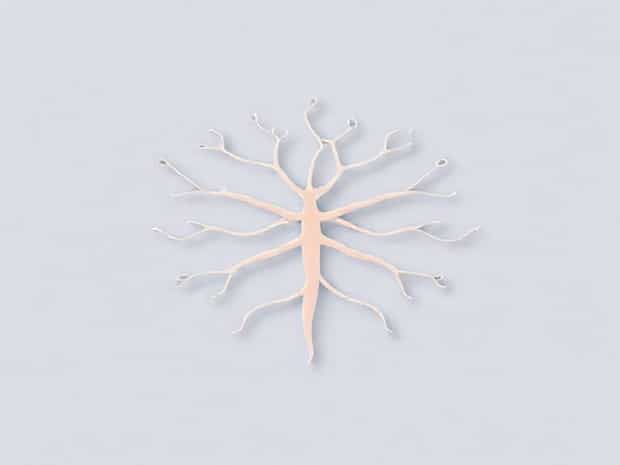
Location Of Olfactory Nerve
The olfactory nerve, also known as cranial nerve I, plays a crucial role in the human sensory system by transmitting information related to smell from the nasal cavity to the brain. Understanding the location of the olfactory nerve is essential for medical students, healthcare professionals, and anyone interested in human anatomy, as it provides insight into how our sense of smell functions and how it can be affected by injuries or diseases. The olfactory nerve is unique among cranial nerves because it does not connect directly to the brainstem but instead has a more direct pathway to the olfactory bulb and higher cortical regions involved in processing scent information. Its location, structure, and clinical relevance make it a fascinating subject for study in both anatomy and neurology.
Anatomical Location of the Olfactory Nerve
The olfactory nerve is located at the upper part of the nasal cavity, where specialized sensory receptors detect odor molecules. These receptors are part of the olfactory epithelium, a specialized tissue lining the superior nasal concha and the roof of the nasal cavity. From here, the nerve fibers, which are thin and delicate, pass through the cribriform plate of the ethmoid bone, a perforated structure that allows the passage of these fibers into the cranial cavity. Once they pass through the cribriform plate, the fibers converge in the olfactory bulb, which lies on the ventral surface of the frontal lobe of the brain. This anatomical arrangement is crucial for the rapid and efficient transmission of olfactory information from the environment to the brain.
Pathway of the Olfactory Nerve
The pathway of the olfactory nerve begins with the olfactory receptor neurons in the nasal epithelium. These neurons have long, cilia-like projections that capture odor molecules. Once the neurons are activated, they send electrical signals through their axons, which collectively form small bundles known as fila olfactoria. These bundles traverse the cribriform plate of the ethmoid bone and terminate in the olfactory bulb. The olfactory bulb acts as a relay station, processing the signals and sending them via the olfactory tract to several brain regions, including the piriform cortex, amygdala, and entorhinal cortex. These areas are involved in identifying odors, integrating them with memories, and eliciting emotional responses, illustrating the complex role of the olfactory nerve in human perception.
Components of the Olfactory Nerve
The olfactory nerve consists of sensory neurons that are specialized for detecting chemical stimuli in the air. Unlike other cranial nerves, it lacks a well-defined nerve trunk, instead forming a network of fine fibers that make their way to the brain. These fibers are supported by glial cells known as olfactory ensheathing cells, which facilitate the growth and regeneration of the nerve fibers. The olfactory bulb, located above the cribriform plate, contains mitral cells and tufted cells that process incoming sensory information and send output to higher cortical areas through the olfactory tract. This structural organization allows the olfactory nerve to transmit signals efficiently and adapt to changes, such as damage or environmental exposure to strong odors.
Clinical Significance of Olfactory Nerve Location
Knowing the precise location of the olfactory nerve is important in medical practice for diagnosing and treating conditions that affect the sense of smell. Damage to the olfactory nerve can result from head trauma, nasal infections, tumors, or neurodegenerative diseases, leading to anosmia (loss of smell) or hyposmia (reduced sense of smell). Because the nerve fibers pass through the delicate cribriform plate, even minor fractures in the ethmoid bone can sever the fibers and impair olfactory function. Neurosurgeons, otolaryngologists, and neurologists must consider the location of the olfactory nerve when planning surgeries near the nasal cavity or frontal lobe to avoid unintended damage.
Olfactory Dysfunction
Olfactory dysfunction can be an early sign of neurological conditions such as Parkinson’s disease and Alzheimer’s disease. The unique location of the olfactory nerve, with direct access to the brain’s limbic system, makes it a useful marker for detecting early neurodegenerative changes. Loss of smell can also affect quality of life, influencing appetite, nutrition, and safety, since odors often signal spoiled food or dangerous chemicals.
Imaging and Examination
Medical imaging techniques such as MRI and CT scans are used to visualize the olfactory nerve and surrounding structures. The cribriform plate, olfactory bulb, and tract can be examined for abnormalities, lesions, or trauma. Clinical testing of olfactory function involves presenting various odors to the patient and assessing their ability to detect, identify, and discriminate them. This testing, combined with imaging studies, helps locate and evaluate the health of the olfactory nerve and its pathways.
Protection and Regeneration of the Olfactory Nerve
The olfactory nerve is one of the few cranial nerves capable of regeneration. Olfactory receptor neurons have a limited lifespan but are continuously replaced by basal cells in the olfactory epithelium. The location of the nerve fibers, passing through the cribriform plate to the olfactory bulb, allows them to reconnect and restore some sensory function after minor injuries. However, significant trauma or chronic damage to the epithelium or bulb can impair regeneration, emphasizing the importance of protecting the nerve in medical and daily contexts.
Factors Affecting Olfactory Health
- Exposure to toxins, smoke, or pollutants can damage olfactory receptor neurons.
- Infections of the nasal cavity or sinuses may cause temporary or permanent olfactory impairment.
- Traumatic head injuries can sever the nerve fibers at the cribriform plate.
- Neurodegenerative diseases can progressively reduce olfactory function through central nervous system involvement.
Educational Importance
Understanding the location of the olfactory nerve is fundamental for students of anatomy, neurology, and otolaryngology. Its unique pathway, direct connection to the limbic system, and clinical significance make it an essential topic in medical education. Detailed knowledge of the nerve’s anatomy aids in safe surgical procedures, accurate diagnosis of olfactory disorders, and research into neuroregenerative therapies.
The olfactory nerve is a delicate yet critical component of the human sensory system, responsible for the perception of smell. Its location in the upper nasal cavity, passage through the cribriform plate, and connection to the olfactory bulb and higher cortical areas underscore its unique anatomical and functional characteristics. Awareness of the olfactory nerve’s location is vital for medical diagnosis, treatment, and research, as it affects both daily life and neurological health. Advances in imaging, surgical techniques, and regenerative medicine continue to enhance our understanding of this vital nerve, highlighting the ongoing importance of its anatomical and clinical study.