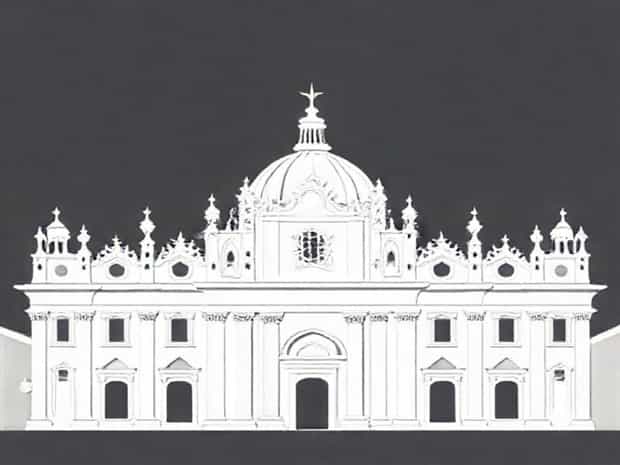
La Basilica Di San Marco
La Basilica di San Marco, located in the heart of Venice, Italy, is one of the most iconic landmarks in the world, celebrated for its stunning architecture, intricate mosaics, and historical significance. This magnificent cathedral, commonly known as St. Mark’s Basilica, has served as the religious and cultural center of Venice for centuries. Its distinctive Byzantine style, combined with elements of Gothic and Romanesque architecture, makes it a masterpiece of medieval design. Tourists, art enthusiasts, and historians alike are drawn to the basilica to admire its golden mosaics, elaborate domes, and ornate façade. Visiting La Basilica di San Marco provides not only a glimpse into Venice’s rich religious traditions but also an appreciation for the city’s artistic heritage and architectural innovation.
Historical Background
The origins of La Basilica di San Marco date back to the 9th century, when it was first constructed to house the relics of Saint Mark, the patron saint of Venice. Over the centuries, the basilica has undergone numerous reconstructions and expansions, reflecting the changing architectural styles and Venice’s growing political and economic power. The current structure, largely completed by the 11th century, became a symbol of Venice’s wealth, prestige, and devotion to Saint Mark. It has witnessed countless ceremonies, state events, and religious celebrations, cementing its role as a central hub for Venetian society.
Architectural Style
La Basilica di San Marco is renowned for its unique architectural blend that combines Byzantine, Gothic, and Romanesque elements. The basilica features five large domes, each adorned with intricate mosaics depicting biblical scenes, saints, and events from Venice’s history. The façade is highly ornate, with a combination of arches, columns, and statues that create a visually striking appearance. The use of golden mosaics inside the basilica gives the interior a radiant glow, particularly when sunlight filters through the windows, illuminating the sacred art and enhancing the spiritual atmosphere.
Exterior Features
- The façade is decorated with marble panels, columns, and intricate carvings.
- Stunning mosaics above the entrances depict religious stories and Venetian history.
- Five domes rise above the main structure, each capped with gilded ornaments.
- The Pala d’Oro, a golden altar retable, adorns the central area behind the high altar.
- Statues of saints and symbolic figures enhance the grandeur of the exterior.
Interior Highlights
Inside La Basilica di San Marco, visitors are greeted by a breathtaking display of art and craftsmanship. The walls and ceilings are covered in mosaics made from tiny pieces of gold, glass, and stone, creating intricate scenes that narrate stories from the Old and New Testaments. The nave is vast and spacious, supported by marble columns imported from across the Mediterranean. The high altar, located beneath the central dome, is the focal point of the interior, housing sacred relics and religious artifacts. The combination of mosaics, columns, and gilded details produces an awe-inspiring visual experience that reflects both devotion and artistic achievement.
Important Elements of the Interior
- Golden mosaics depicting biblical stories and saints’ lives.
- Marble columns with varied colors and intricate capitals.
- The high altar and Pala d’Oro adorned with gold and precious stones.
- Chapels dedicated to various saints, each with unique artistic features.
- Ceiling mosaics that narrate the history of Saint Mark and Venice.
Cultural and Religious Significance
La Basilica di San Marco is not only an architectural marvel but also a center of religious and cultural importance. It has served as the venue for numerous state ceremonies, coronations, and religious festivals. The basilica symbolizes Venice’s devotion to Saint Mark and reflects the city’s historical status as a powerful maritime republic. Pilgrims and tourists alike visit the basilica to experience its spiritual ambiance, admire its art, and learn about Venice’s historical connection to the Christian faith. The building continues to function as a place of worship, hosting regular masses, special religious events, and processions.
Festivals and Events
- Feast of Saint Mark on April 25th, celebrating Venice’s patron saint.
- Processions and religious ceremonies held during important Christian holidays.
- Art and cultural exhibitions showcasing Venetian history and craftsmanship.
- Special concerts and musical performances in the basilica’s acoustically rich interior.
Tourism and Visitor Experience
Visiting La Basilica di San Marco is a highlight for anyone traveling to Venice. Tourists can explore the exterior façade, admire the mosaics, and access certain areas of the interior to view sacred relics and the Pala d’Oro. The basilica is located in Piazza San Marco, Venice’s main square, making it easily accessible and surrounded by cafes, shops, and other historical landmarks. Guided tours provide insight into the history, symbolism, and artistic techniques used in the basilica’s construction and decoration.
Tips for Visitors
- Arrive early to avoid crowds and enjoy a quieter experience inside the basilica.
- Consider a guided tour to gain deeper understanding of mosaics, architecture, and history.
- Respect dress codes, as the basilica is an active place of worship.
- Take time to observe both exterior and interior details, including lesser-known chapels.
- Explore the surrounding Piazza San Marco to appreciate the basilica within Venice’s urban context.
Restoration and Preservation Efforts
Over the centuries, La Basilica di San Marco has undergone multiple restorations to preserve its intricate mosaics, sculptures, and structural integrity. Conservation efforts focus on maintaining the golden mosaics, repairing damage from humidity and saltwater exposure, and strengthening the foundations. These efforts are essential to ensure that future generations can continue to experience the basilica’s beauty and historical significance. Modern technologies, combined with traditional craftsmanship, play a vital role in preserving this Venetian masterpiece.
La Basilica di San Marco stands as a testament to Venice’s rich history, artistic achievement, and religious devotion. Its unique architectural blend, adorned with golden mosaics, marble columns, and elaborate domes, continues to captivate visitors from around the world. Beyond its aesthetic appeal, the basilica represents centuries of Venetian culture, faith, and craftsmanship. Whether admired for its architectural brilliance, explored for its historical significance, or visited for spiritual reflection, La Basilica di San Marco remains an enduring symbol of Venice’s legacy and a must-see landmark that embodies the city’s grandeur and timeless beauty.