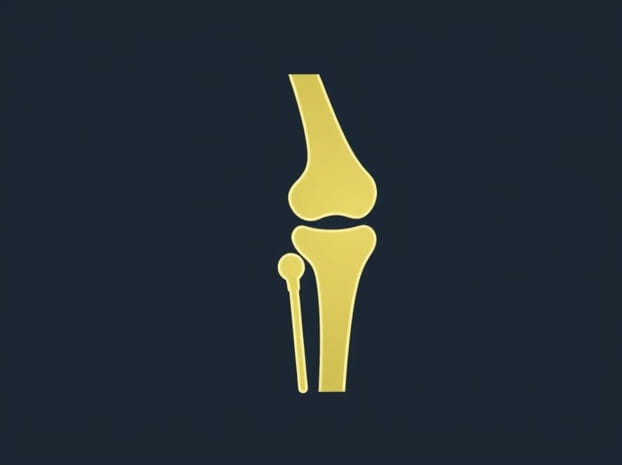
How Do The Menisci Stabilize The Knee Joint
The knee joint is one of the most complex and crucial joints in the human body, allowing for movement, weight-bearing, and stability. Among the key structures that contribute to the knee’s functionality are the menisci two crescent-shaped pieces of fibrocartilage located between the femur and tibia. These menisci play an essential role in stabilizing the knee joint, distributing weight, and reducing stress on the articular cartilage. Understanding how the menisci stabilize the knee can provide insights into injury prevention, rehabilitation, and overall joint health, making it an important topic for athletes, healthcare professionals, and anyone interested in musculoskeletal function.
Anatomy of the Menisci
The knee contains two menisci the medial meniscus on the inner side of the knee and the lateral meniscus on the outer side. Each meniscus has a unique shape and function, but both share common structural characteristics that contribute to joint stability.
Medial Meniscus
The medial meniscus is more C-shaped and covers a larger portion of the tibial plateau. It is attached firmly to the tibial collateral ligament, which provides extra stability but also makes it less mobile than the lateral meniscus. Because of this reduced mobility, the medial meniscus is more prone to injury, especially during twisting motions.
Lateral Meniscus
The lateral meniscus is more circular and covers a smaller area of the tibial plateau. Its attachment allows for greater mobility, which helps accommodate rotational movements of the knee. This increased mobility reduces the risk of injury compared to the medial meniscus but still plays a critical role in maintaining joint stability.
Functions of the Menisci
The menisci stabilize the knee joint through several complementary functions. These functions are mechanical, proprioceptive, and protective, all working together to maintain proper alignment and movement.
Load Distribution
One of the primary roles of the menisci is to distribute the load across the knee joint evenly. The menisci act as shock absorbers, converting compressive forces into tensile forces that spread across the tibial plateau. This load distribution helps prevent excessive stress on the articular cartilage and reduces the risk of degenerative joint conditions such as osteoarthritis. By distributing weight evenly, the menisci stabilize the knee during activities like walking, running, and jumping.
Joint Congruency
The menisci increase the congruency between the femoral condyles and tibial plateau. By filling the gaps between these bones, the menisci improve the fit of the joint surfaces, enhancing stability. This congruency is particularly important during knee flexion and extension, as it helps prevent unwanted sliding or shifting of the bones that could lead to instability or injury.
Shock Absorption
The knee experiences significant forces during daily activities and athletic movements. The menisci absorb and dissipate these forces, protecting both the cartilage and the underlying bone. By reducing peak stresses on the joint surfaces, the menisci maintain the integrity of the knee and contribute to its long-term stability.
Role in Knee Motion and Stability
The menisci are dynamic structures that adapt to the movements of the knee. Their shape, attachment, and mobility allow them to stabilize the joint through both static and dynamic mechanisms.
Stabilization During Flexion and Extension
During knee flexion and extension, the menisci deform slightly to accommodate changes in joint congruency. This deformation allows them to maintain contact between the femur and tibia, reducing the risk of subluxation or excessive movement. The medial meniscus, being less mobile, stabilizes the joint primarily by resisting excessive rotation, while the lateral meniscus absorbs rotational forces and maintains smooth motion.
Rotational Stability
The menisci also play a critical role in controlling rotational movements of the knee. When the knee twists during activities like cutting, pivoting, or turning, the menisci guide the movement of the femoral condyles on the tibial plateau. The lateral meniscus, with its greater mobility, accommodates rotation, while the medial meniscus resists over-rotation, protecting ligaments such as the anterior cruciate ligament (ACL) and posterior cruciate ligament (PCL).
Proprioceptive Feedback
Beyond mechanical stabilization, the menisci contain mechanoreceptors that provide proprioceptive feedback to the central nervous system. This feedback helps the body sense the position and movement of the knee, allowing for reflexive adjustments that prevent instability and injury. Healthy menisci contribute to better balance, coordination, and overall joint control.
Meniscus Injuries and Impact on Stability
Damage to the menisci can significantly compromise knee stability. Meniscus tears are among the most common knee injuries and can occur due to trauma, degenerative changes, or repetitive stress.
Types of Meniscus Tears
- Radial tearsOccur perpendicular to the meniscus fibers and may destabilize the joint.
- Horizontal tearsSplit the meniscus into top and bottom sections, often affecting load distribution.
- Complex tearsCombine multiple tear patterns, severely compromising stability and shock absorption.
Consequences of Meniscus Damage
A torn or removed meniscus reduces the knee’s ability to distribute load, absorb shock, and maintain congruency. This can lead to
- Increased risk of osteoarthritis due to excessive cartilage wear.
- Instability during pivoting or weight-bearing activities.
- Higher likelihood of ligament injuries, particularly to the ACL and PCL.
- Pain, swelling, and reduced range of motion that hinder daily activities and athletic performance.
Maintaining Meniscus Health
Protecting the menisci is essential for long-term knee stability. Strategies for maintaining healthy menisci include
- Regular strengthening of the quadriceps, hamstrings, and hip muscles to support knee alignment.
- Low-impact exercises like swimming or cycling to reduce stress on the joint.
- Wearing appropriate footwear to prevent twisting injuries.
- Proper technique in sports and recreational activities to avoid sudden rotational forces.
- Seeking prompt medical attention for knee pain or suspected meniscus injuries to prevent further damage.
The menisci are essential for stabilizing the knee joint, providing mechanical support, shock absorption, and proprioceptive feedback. By distributing load, enhancing joint congruency, and guiding motion, they protect the knee from excessive stress and potential injury. Damage to the menisci can lead to instability, pain, and increased risk of degenerative changes, highlighting the importance of maintaining meniscus health. Understanding the role of these fibrocartilaginous structures helps athletes, healthcare professionals, and the general public appreciate their critical function in maintaining knee stability, mobility, and overall joint integrity.