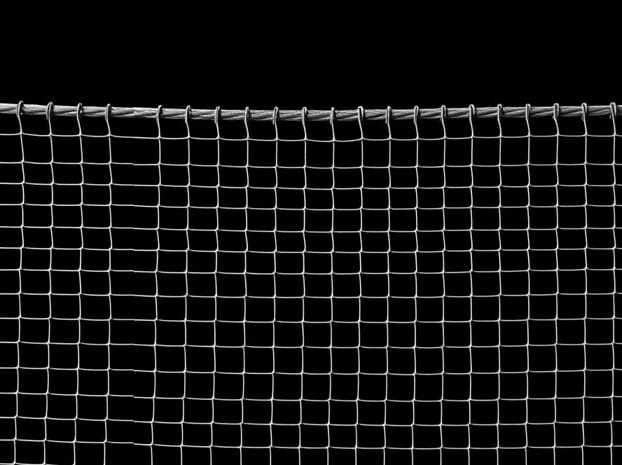
Heavy Duty Windbreak Netting
Heavy duty windbreak netting is an essential tool for protecting outdoor areas from strong winds, debris, and harsh weather conditions. Often used in agricultural, commercial, and residential settings, this durable netting provides effective wind reduction while maintaining visibility and airflow. Its robust construction allows it to withstand prolonged exposure to the elements, making it a reliable solution for enhancing comfort, protecting crops, or creating sheltered outdoor spaces.
Construction and Materials
Heavy duty windbreak netting is typically made from high-strength polyethylene or polypropylene fibers that offer durability, UV resistance, and weatherproof performance. These materials ensure the netting maintains its structural integrity over time, even under strong winds and varying temperatures. The netting is woven tightly to provide optimal wind reduction, while still allowing some airflow to prevent turbulence and pressure buildup behind the barrier. Reinforced edges and sturdy attachment points enhance stability and facilitate installation on poles, fences, or other supporting structures.
Mesh Size and Wind Reduction
The effectiveness of windbreak netting is often determined by its mesh size and density. Heavier duty netting typically features smaller mesh openings, which allow it to block a significant portion of wind without completely stopping airflow. This reduces the force of strong winds while minimizing damage to plants, structures, or outdoor furniture. Depending on the specific application, mesh density can vary to provide wind reduction ranging from 30% to 70%, ensuring the netting is tailored to the needs of the environment.
Applications of Heavy Duty Windbreak Netting
Heavy duty windbreak netting serves multiple purposes across different industries and settings. Its versatility makes it a valuable solution for both functional and protective applications.
Agricultural Use
Farmers and gardeners frequently use windbreak netting to protect crops, livestock, and greenhouses. By reducing wind speed, the netting helps prevent soil erosion, physical damage to plants, and moisture loss. It also creates a more stable microclimate, which can improve crop growth and yield. Livestock areas benefit from reduced wind stress, keeping animals more comfortable and healthy.
Commercial and Industrial Applications
In commercial and industrial environments, heavy duty windbreak netting is used to shield construction sites, storage areas, or outdoor workspaces from wind and debris. The netting helps maintain safer conditions for workers and equipment while reducing potential damage caused by strong gusts. Temporary windbreaks can be installed during events or projects to improve comfort and safety for personnel and visitors.
Residential and Recreational Uses
Homeowners often use windbreak netting to create sheltered outdoor areas for patios, gardens, and recreational spaces. It enhances privacy, reduces wind chill, and protects outdoor furniture from damage. In recreational settings such as golf courses, sports fields, and parks, netting serves as a barrier against wind, dust, or errant debris, improving the overall experience for users.
Installation and Maintenance
Proper installation is crucial for the effectiveness and longevity of heavy duty windbreak netting. The netting can be attached to posts, fences, or frames using durable ties, clips, or fasteners. Tension should be evenly distributed to prevent sagging or tearing during strong winds. Installing at an appropriate height and angle ensures optimal wind reduction while maintaining visibility and airflow.
Maintenance Tips
Maintaining heavy duty windbreak netting involves regular inspection for wear, tears, or damage caused by prolonged exposure to the elements. Minor tears can be patched using repair kits or heavy-duty ties, while worn sections may need replacement over time. Keeping the netting clean by removing debris, leaves, or snow accumulation helps preserve its effectiveness and prolongs its lifespan. Seasonal removal or adjustment may be necessary in areas with extreme weather conditions.
Advantages of Heavy Duty Windbreak Netting
Investing in heavy duty windbreak netting offers numerous benefits for agricultural, commercial, and residential applications
- Wind ReductionSignificantly lowers wind speed, protecting crops, structures, and outdoor spaces.
- DurabilityMade from high-strength, weather-resistant materials designed to last for years.
- VersatilitySuitable for agricultural, industrial, and residential use.
- ProtectionShields plants, animals, and equipment from damage caused by wind and debris.
- Improved MicroclimateHelps stabilize temperature and humidity levels in agricultural settings.
- Privacy and ComfortCreates sheltered areas for outdoor activities while maintaining airflow and visibility.
Environmental Considerations
Many heavy duty windbreak nets are designed to be UV-resistant and recyclable, minimizing environmental impact. By reducing soil erosion and protecting crops, the netting supports sustainable agricultural practices. Additionally, its lightweight and flexible construction allows for easy reuse or relocation, promoting environmentally responsible use over time.
Choosing the Right Windbreak Netting
Selecting the appropriate windbreak netting depends on several factors, including the intended application, wind speed, and environmental conditions. Consider the following when making a choice
- Mesh size and density for desired wind reduction
- Height and width to adequately cover the area needing protection
- Material durability for long-term exposure to sun, rain, and wind
- Ease of installation and compatibility with existing structures
- UV resistance and weatherproof properties for longevity
Heavy duty windbreak netting is a versatile and essential solution for controlling wind, protecting crops, and enhancing outdoor spaces. Its durable construction, adjustable installation, and effective wind reduction make it ideal for agricultural, industrial, and residential applications. By reducing wind stress, preventing debris damage, and creating comfortable sheltered areas, this netting provides both functional and protective benefits. Choosing the right type of heavy duty windbreak netting ensures optimal performance, longevity, and a safer, more productive environment for plants, animals, equipment, and people.