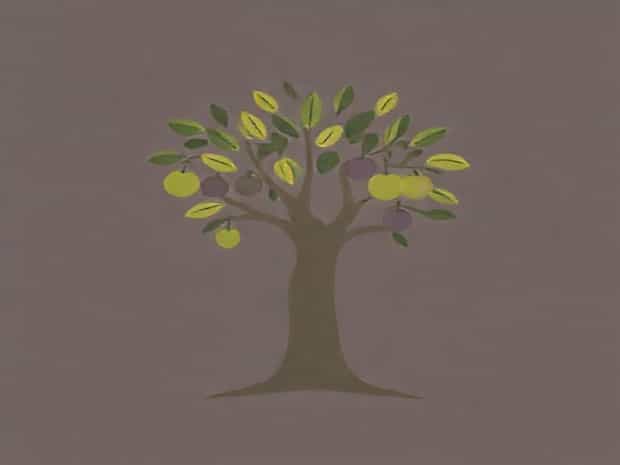
Jesus Cursed The Fig Tree
The story of Jesus cursing the fig tree is one of the more striking and thought-provoking events recorded in the Gospels. It is a story that at first glance may seem puzzling or even harsh, yet it carries deep spiritual and moral lessons. In this narrative, Jesus approaches a fig tree seeking fruit, only to find none, and as a result, he curses it. This act, while literal in the sense of the tree itself, holds symbolic meaning, teaching about judgment, faith, and spiritual fruitfulness. Understanding this passage helps believers grasp the importance of living a life that produces genuine spiritual outcomes and aligns with God’s expectations.
Context of the Fig Tree Incident
The incident of Jesus cursing the fig tree takes place during the final week leading up to his crucifixion, a period filled with teaching, miracles, and confrontations with religious authorities. According to the Gospel accounts in Matthew and Mark, Jesus was traveling with his disciples when he noticed a fig tree in full leaf. Expecting to find fruit, he approached it, but it bore none. The fig tree, lush with leaves but empty of fruit, became a vivid illustration for Jesus to teach a lesson about authenticity, spiritual life, and the consequences of outward appearances without inner substance.
The Symbolism of the Fig Tree
Fig trees often appear in the Hebrew Scriptures as symbols of Israel or spiritual prosperity. In this context, the fig tree represents individuals, communities, or even religious institutions that may appear outwardly strong, healthy, or pious but lack genuine faith and spiritual fruit. By cursing the fig tree, Jesus was making a broader point about the importance of true devotion, ethical living, and the necessity of producing spiritual fruit that aligns with God’s will. The story emphasizes that appearances alone are insufficient in the eyes of God; genuine spiritual growth must be demonstrated through action and faith.
The Lesson of Judgment
When Jesus cursed the fig tree, it withered, demonstrating the immediacy and seriousness of divine judgment. This event serves as a reminder that God expects real, visible expressions of faith, not merely superficial displays. In practical terms, it calls believers to examine their own lives for authenticity. Are our actions reflecting our beliefs? Are our words supported by deeds? Just as the fig tree could not bear fruit despite its leaves, individuals and communities that do not cultivate spiritual growth may face consequences. The cursing of the fig tree is not merely a condemnation of a single tree but a symbolic teaching about accountability and the importance of genuine spiritual life.
Faith and Fruitfulness
The narrative of the fig tree also connects closely with the concept of faith and fruitfulness. Jesus’ disciples were taught through this miracle that faith must be active and visible. In the Gospel of Mark, Jesus used the incident to illustrate the power of belief Have faith in God whatever you ask for in prayer, believe that you have received it, and it will be yours. Just as a tree is expected to bear fruit in its season, believers are called to produce spiritual fruit acts of love, compassion, righteousness, and service. Without this fruitfulness, faith may be empty and ineffective.
Controversy and Misunderstanding
The story of Jesus cursing the fig tree has often sparked questions and controversy. Critics sometimes view the act as harsh or unfair because the tree had done nothing inherently wrong. However, understanding the symbolic and teaching aspect of the event clarifies its purpose. Jesus used everyday experiences and natural elements to convey deeper spiritual truths. The fig tree becomes a living metaphor for spiritual readiness and authenticity, reinforcing lessons that extend far beyond agriculture or horticulture.
Spiritual Readiness
One of the key takeaways from the fig tree narrative is the importance of spiritual readiness. Just as the tree should have been bearing fruit, individuals are expected to cultivate qualities that reflect their faith. Prayer, study of scripture, acts of kindness, and adherence to moral principles are ways believers prepare themselves to produce spiritual fruit. This readiness ensures that when challenges or opportunities arise, they can respond in ways that honor God and demonstrate genuine faith.
Modern Applications of the Lesson
In contemporary life, the story of Jesus cursing the fig tree remains highly relevant. It serves as a call for introspection, encouraging individuals and faith communities to evaluate whether their lives reflect true spiritual growth. Superficial or performative faith appearing religious without practicing principles of love, compassion, and service is challenged by this story. Believers are reminded that God looks for substance, not just appearance, and that the fruit of the Spirit should be evident in everyday actions.
Practical Ways to Bear Spiritual Fruit
- Engage in regular prayer and meditation to deepen your relationship with God.
- Perform acts of service and kindness within your community.
- Study and reflect on scripture to guide ethical and moral decision-making.
- Develop patience, humility, and other qualities that demonstrate inner spiritual growth.
- Encourage and support others in their faith journeys, fostering a culture of mutual growth and accountability.
Faith and Trust in God’s Timing
The fig tree story also teaches about trusting God’s timing. Although the tree was full of leaves, it was not yet in its season to bear fruit. Similarly, believers must learn patience and discernment, understanding that spiritual growth and results may not always be immediate. The cursing of the fig tree highlights the urgency of not delaying faithfulness and spiritual action, reminding Christians that cultivation of the heart and soul is an ongoing process that requires commitment, diligence, and attentive care.
Lessons for Communities and Churches
Beyond individual application, the story provides insights for churches and faith communities. Congregations are encouraged to foster environments where spiritual fruitfulness is nurtured and visible. Teaching, mentorship, worship, and service opportunities should be designed to cultivate authentic faith among members. Like the fig tree, communities can appear thriving on the outside but need to ensure their practices and teachings produce genuine spiritual outcomes. Accountability, encouragement, and consistent spiritual engagement are key for creating fruitful communities.
The story of Jesus cursing the fig tree is rich with symbolism and practical lessons for both individual believers and faith communities. It serves as a powerful reminder that God values authentic spiritual life and visible fruitfulness. Appearances alone are not enough; faith must manifest in actions, moral integrity, and devotion to God’s will. Through this narrative, Jesus teaches about judgment, readiness, faith, and the transformative power of living a life aligned with spiritual principles.
Ultimately, this story encourages introspection, accountability, and action. Believers are called to examine their own lives, cultivate spiritual fruit, and trust God’s guidance while remaining diligent in faith. The lesson of the fig tree challenges individuals and communities alike to ensure that their lives are not only outwardly vibrant but also spiritually fruitful, reflecting the love, mercy, and righteousness that God desires.