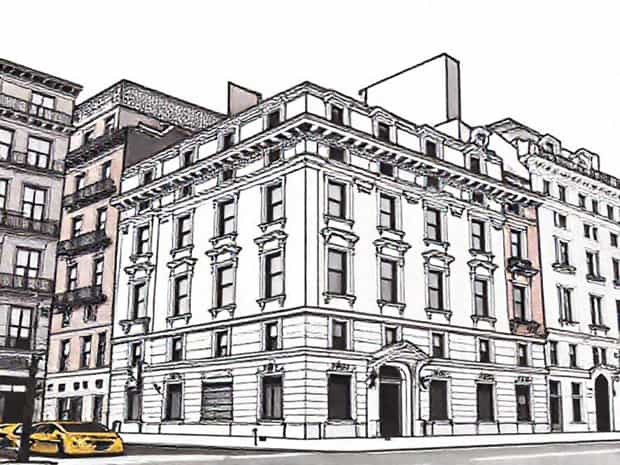
Italianate Architecture New York
New York City is home to a rich tapestry of architectural styles, reflecting centuries of cultural influences and evolving urban trends. Among these, Italianate architecture stands out for its distinctive elegance, romantic detailing, and historical significance. Emerging in the mid-19th century, Italianate architecture in New York is a fascinating blend of classical Italian villa inspiration and the practical demands of urban building. From residential brownstones to civic structures, the Italianate style left a lasting mark on New York’s architectural landscape, showcasing ornate facades, bracketed cornices, and tall, narrow windows that evoke a sense of sophistication and grandeur. This topic explores the history, characteristics, notable examples, and cultural impact of Italianate architecture in New York.
Origins of Italianate Architecture
Italianate architecture originated in England during the early 19th century as part of the Picturesque movement, which favored romantic, informal, and asymmetrical designs. Inspired by rural Italian villas, architects emphasized decorative elements, overhanging eaves, and harmonious proportions rather than strict classical order. By the 1840s, the style had crossed the Atlantic and gained popularity in the United States, particularly in New York. The adaptability of Italianate design made it suitable for both urban and rural settings, allowing builders to create aesthetically appealing structures within limited city plots or expansive suburban lots.
Key Features of Italianate Architecture
Italianate buildings are easily recognized by a combination of distinctive features. These elements combine functionality with visual appeal, making them enduringly popular
- Bracketed CornicesOverhanging eaves supported by decorative brackets are a hallmark of the Italianate style, adding depth and ornamentation to the roofline.
- Tall, Narrow WindowsOften with rounded or arched tops, these windows emphasize verticality and elegance, sometimes paired with elaborate window crowns or pediments.
- Low-Pitched or Flat RoofsRoofs are typically low in pitch or flat, often hidden behind decorative parapets or balustrades.
- Elaborate DoorwaysEntryways frequently feature ornate surrounds, double doors, and small porches or porticos for added grandeur.
- Decorative DetailingCornices, quoins, and intricate moldings contribute to the rich, romantic aesthetic of Italianate design.
Italianate Architecture in New York City
In New York, Italianate architecture became especially popular between 1840 and 1885, a period of rapid urban expansion. Residential buildings, particularly brownstones in neighborhoods like Brooklyn, Manhattan’s Upper West Side, and parts of Harlem, adopted Italianate styling for both aesthetic charm and practical functionality. The style allowed narrow lots to appear taller and more elegant, while ornamental details reflected the growing affluence of the city’s middle class. Italianate commercial buildings also emerged, with cast-iron facades enhancing streetscapes in areas like SoHo.
Residential Examples
Brooklyn Heights and the brownstone-lined streets of Manhattan showcase some of the finest residential Italianate architecture. Common features in these homes include
- Three- to four-story facades with high ceilings and tall windows to maximize light
- Ornate brackets and cornices projecting over stoops and entrances
- Decorative lintels and hood molds above windows to create visual interest
- Symmetrical or slightly asymmetrical layouts reflecting Italian villa influence
These structures remain highly desirable, preserving New York’s architectural heritage while accommodating modern living standards.
Civic and Commercial Examples
Italianate architecture in New York was not limited to homes. Libraries, schools, and commercial blocks also embraced the style. SoHo, in particular, became renowned for its cast-iron Italianate facades, where prefabricated decorative elements allowed for rapid construction without sacrificing elegance. These buildings often feature arched windows, ornate ironwork, and cornice lines that emphasize verticality. City landmarks such as the former Puck Building and numerous historic townhouses showcase the versatility and enduring appeal of Italianate design in urban contexts.
Influence and Cultural Significance
The Italianate style reflects more than mere aesthetics; it embodies a period in New York’s history marked by immigration, industrial growth, and social transformation. By incorporating elements of European architecture, builders symbolically linked New York to classical refinement while simultaneously addressing the practical needs of an expanding metropolis. The romantic and decorative qualities of Italianate buildings appealed to a burgeoning middle class eager to demonstrate taste, sophistication, and upward mobility.
Preservation Efforts
Today, preservation efforts ensure that Italianate architecture continues to enrich New York’s cityscape. Landmark designations, historic districts, and community initiatives protect these structures from demolition or insensitive alterations. Restorations often focus on repairing original cornices, brackets, and window treatments to maintain historical authenticity. By preserving Italianate architecture, New York not only honors its architectural heritage but also provides a visual narrative of the city’s evolution through the 19th century.
Challenges in Preservation
Preserving Italianate buildings poses unique challenges. Many structures were built with materials that require careful maintenance, such as wooden brackets and cast-iron facades. Weather, pollution, and urban development pressures can threaten these architectural elements. Furthermore, adapting Italianate buildings to modern living needs, such as installing elevators, HVAC systems, or energy-efficient windows, requires sensitive approaches that respect the original design while ensuring safety and comfort.
Italianate architecture in New York represents a captivating chapter in the city’s architectural history. From stately brownstones to ornate commercial buildings, this style combines the romantic charm of Italian villas with the practical considerations of urban construction. Its distinctive brackets, tall windows, and decorative cornices create a sense of elegance that continues to captivate residents, historians, and visitors alike. Preservation efforts ensure that future generations can appreciate the cultural and historical significance of Italianate architecture while maintaining New York’s dynamic and diverse urban landscape. By exploring the origins, features, and examples of Italianate architecture in New York, it becomes clear how this style helped shape the city’s aesthetic identity and remains a testament to its rich architectural heritage.