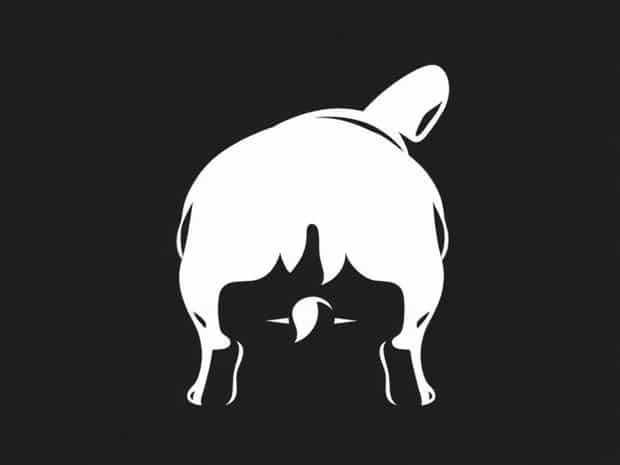
French Bulldog Back Legs Bowed
French Bulldogs are beloved for their compact size, playful personality, and unique appearance. However, some owners notice that their French Bulldog’s back legs appear bowed, giving the dog an unusual stance or gait. While this can be a normal feature of the breed’s build in mild cases, in more severe situations bowed back legs may signal underlying health concerns that require veterinary attention. Understanding the causes, signs, and possible treatments can help owners provide the best care for their pets and ensure a healthy, active life.
Understanding the Structure of a French Bulldog
French Bulldogs are a brachycephalic and compact breed with a muscular body, short legs, and a broad chest. Their bone structure is different from that of larger dogs, which sometimes gives them a distinctive posture. Because of their genetics, their legs can appear slightly curved, but when the bowing becomes pronounced, it may indicate orthopedic or developmental issues.
Common Causes of Bowed Back Legs
There are several possible reasons why a French Bulldog might have bowed back legs. Some causes are genetic, while others are linked to environmental factors or health conditions.
- Genetic PredispositionSome French Bulldogs inherit a skeletal structure that makes their legs appear bowed. Breeding practices can sometimes reinforce these traits.
- Hip DysplasiaThis condition occurs when the hip joint does not fit properly, leading to abnormal weight distribution that may cause the legs to bow outward.
- Patellar LuxationA common issue in smaller breeds, this happens when the kneecap moves out of place, which can affect the alignment of the back legs.
- Nutritional DeficienciesPuppies that do not receive balanced nutrition, especially calcium and vitamin D, may develop bowed legs due to improper bone growth.
- ObesityExtra weight puts pressure on a French Bulldog’s already compact frame, which can cause or worsen bowing in the back legs.
- Injury or TraumaA past injury to the hips, knees, or bones may lead to long-term changes in leg alignment.
Signs That Require Veterinary Attention
Not every case of bowed legs is cause for concern, but certain signs suggest the need for professional evaluation. Owners should monitor their French Bulldogs for the following symptoms
- Limping or difficulty walking
- Noticeable discomfort when running, jumping, or climbing stairs
- Stiffness or reluctance to move
- Uneven weight distribution or dragging of back legs
- Swelling or visible deformity in the legs
If these symptoms appear, it is important to consult a veterinarian for diagnosis and treatment.
Diagnosis of Bowed Back Legs
Veterinarians usually begin with a physical examination to assess the structure and movement of the legs. Diagnostic tools such as X-rays, CT scans, or MRI scans may be used to determine the cause of bowing and check for underlying joint or bone conditions. Early diagnosis is essential for planning effective treatment.
Treatment Options
The treatment for bowed back legs in French Bulldogs depends on the severity and underlying cause. Some dogs may not require intensive care if the condition is mild, while others might need medical or even surgical intervention.
- MedicationPain relievers and anti-inflammatory drugs can help manage discomfort in dogs with orthopedic issues.
- Physical TherapyTargeted exercises can strengthen muscles, improve balance, and support healthier movement.
- Weight ManagementKeeping a French Bulldog at a healthy weight reduces pressure on the legs and joints.
- SurgeryIn severe cases, corrective surgery may be necessary to realign bones or stabilize joints.
- SupplementsGlucosamine, chondroitin, and omega-3 fatty acids may help support joint health.
Preventing Bowed Back Legs in French Bulldogs
Although not all cases can be prevented due to genetic factors, there are steps owners can take to reduce the risk of bowed back legs and improve their dog’s overall health.
- Provide a balanced, nutrient-rich diet to support healthy bone growth.
- Avoid over-exercising puppies, as their bones are still developing.
- Keep your French Bulldog at a healthy weight to avoid extra strain on the joints.
- Ensure regular veterinary checkups to catch potential issues early.
- Purchase puppies from responsible breeders who screen for orthopedic conditions.
Living with a French Bulldog with Bowed Back Legs
Many French Bulldogs with bowed back legs can still live full and happy lives if given proper care. Owners should make small adjustments to their environment and daily routine, such as avoiding slippery floors, limiting high jumps, and providing orthopedic bedding. These changes reduce strain on the joints and help the dog stay comfortable.
When to Be Concerned
While slight bowing in the back legs can be normal in some French Bulldogs, noticeable changes in walking, persistent pain, or worsening deformity should never be ignored. Early veterinary care can prevent long-term complications and improve quality of life. In many cases, intervention at the right time can make a significant difference in mobility and comfort.
The issue of French Bulldog back legs bowed is something many owners encounter, but it should be approached with careful observation and proactive care. While some cases are due to the breed’s natural structure, others may point to conditions like hip dysplasia, patellar luxation, or nutritional deficiencies. By seeking veterinary advice, maintaining a healthy lifestyle, and addressing problems early, owners can help their French Bulldogs remain active, happy, and free of unnecessary pain. Recognizing the signs and taking preventive measures ensures that these lovable companions enjoy the best possible quality of life.