Is Bolton Abbey In Bolton
Many people who hear the name Bolton Abbey assume it must be located in a town called Bolton, but the reality is a little more complex. The historic ruins of Bolton Abbey, along with its estate, are not in Bolton in Greater Manchester or any of the other towns with the same name across England. Instead, this remarkable site lies in Wharfedale, in the county of North Yorkshire. Because of the shared name, confusion is common, and visitors often ask whether Bolton Abbey is in Bolton or somewhere else entirely. Understanding its true location and its rich history helps to clear up this common misunderstanding while also highlighting why the abbey is such a treasured heritage site.
Understanding the Location of Bolton Abbey
Bolton Abbey is situated in the Yorkshire Dales, a region well known for its breathtaking landscapes, stone-built villages, and rich cultural heritage. While the word Bolton is indeed part of the name, it does not refer to the large town of Bolton near Manchester. Instead, the abbey takes its name from the medieval village of Bolton-in-Wharfedale, which lies close to the abbey ruins. The estate stretches along the River Wharfe, offering spectacular scenery that attracts thousands of visitors each year.
Why the Confusion Exists
There are several towns and villages named Bolton in England. The largest and most widely known is Bolton in Greater Manchester. When people hear the name Bolton Abbey, it is natural to assume a connection to that urban area. However, the abbey is tied to a different Bolton altogether. The word Bolton itself comes from Old English, meaning a settlement or dwelling with a special purpose, and this explains why multiple places carry the name. Bolton Abbey is specifically connected to Bolton Priory and its surrounding estate in Wharfedale.
The History of Bolton Abbey
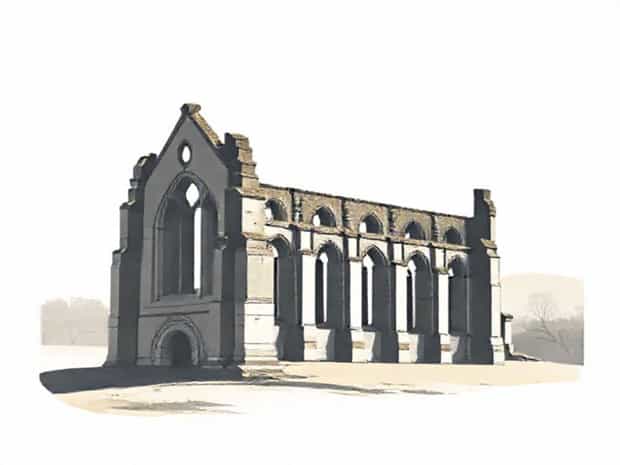
The site is most famous for the ruins of the Augustinian monastery founded in the 12th century. The priory was established in 1154 and thrived for centuries until the Dissolution of the Monasteries under Henry VIII in the 16th century. Although the monastery was never fully completed, the surviving ruins remain one of the most picturesque examples of medieval religious architecture in England. The estate has been carefully preserved and developed by the Cavendish family, who became its custodians in the 16th century and continue to manage it today.
The Priory Church
One unique feature of Bolton Abbey is the priory church, part of which is still in use today as a parish church. Unlike many monastic sites that were abandoned or left in complete ruin after the dissolution, Bolton Abbey’s church continued to serve the local community. This continuity adds to the site’s charm, blending ancient heritage with ongoing religious practice.
Bolton Abbey Estate and Surroundings
The abbey is the centerpiece of a vast estate that spans more than 30,000 acres of land in the Yorkshire Dales. This estate includes rolling hills, riverbanks, moorlands, and woodlands, making it one of the most attractive destinations for walkers, photographers, and families. The River Wharfe flows through the estate, and the famous stepping stones across the river are a popular feature for visitors seeking a fun and scenic challenge.
Key Attractions on the Estate
-
The Stepping StonesA line of large stones across the River Wharfe that allow visitors to cross the river in a playful and adventurous way.
-
Strid WoodA woodland area full of biodiversity, known for its peaceful trails and wildlife spotting opportunities.
-
The StridA dramatic, narrow section of the River Wharfe where the river is forced through a tight rocky channel, creating impressive natural scenery.
-
Walking TrailsMiles of footpaths suitable for both casual walkers and experienced hikers, offering views of the abbey, river, and surrounding dales.
Bolton Abbey and Tourism
Today, Bolton Abbey is one of the most visited heritage and nature attractions in North Yorkshire. Its appeal lies not only in the historic ruins but also in the combination of history, architecture, and natural beauty. Families enjoy picnics by the river, hikers explore the trails, and history enthusiasts delve into the abbey’s past. Seasonal events and activities, such as open-air theatre performances, guided walks, and family-friendly challenges, make the estate a lively place throughout the year.
Accessibility and Facilities
The estate is well prepared for tourism, with visitor centers, cafes, and facilities to accommodate the needs of guests. Parking areas are located near the main entrances, and paths are marked clearly to guide visitors through different parts of the estate. Whether people come for a quiet day of reflection or a full day of outdoor activity, Bolton Abbey provides a welcoming environment.
The Connection to Bolton-in-Wharfedale
Bolton Abbey’s true identity is rooted in its connection to Bolton-in-Wharfedale, a village situated nearby. This small village and the abbey share a historical bond, and the name Bolton in this context refers specifically to this part of Yorkshire. While it might be tempting to assume the abbey is in the more famous Bolton near Manchester, geography tells a different story. Recognizing this distinction is important for anyone studying English history or planning a visit to the site.
Why Bolton Abbey Matters
Bolton Abbey is more than just an old ruin; it is a symbol of England’s medieval past and a testament to how landscapes and communities preserve their heritage. Its importance extends beyond religious history into cultural, architectural, and environmental realms. The estate demonstrates how a historic site can remain relevant and engaging for modern visitors while still honoring its original purpose and significance.
Educational Value
The abbey and estate provide opportunities for learning about monastic life, medieval architecture, and the historical changes that shaped England. Schools and universities often organize trips to Bolton Abbey to help students connect classroom knowledge with real-world heritage. Interpretive signs and guided tours further enrich the educational experience.
Cultural and Natural Harmony
Few places in England combine cultural heritage and natural beauty as seamlessly as Bolton Abbey. Visitors can explore the ruins of the priory in the morning and then enjoy a riverside walk or picnic in the afternoon. This balance of history and nature makes it a favorite destination for those seeking both relaxation and inspiration.
So, is Bolton Abbey in Bolton? The answer is no at least not in the sense many people expect. Bolton Abbey is located in the Yorkshire Dales, specifically near Bolton-in-Wharfedale in North Yorkshire, not in the town of Bolton in Greater Manchester. The abbey’s name, history, and surrounding landscape connect it firmly to its Yorkshire roots. Understanding this clears up the common confusion and allows visitors to appreciate the site for what it truly represents a stunning combination of medieval architecture, natural beauty, and cultural heritage that continues to inspire and attract people from all over the world.