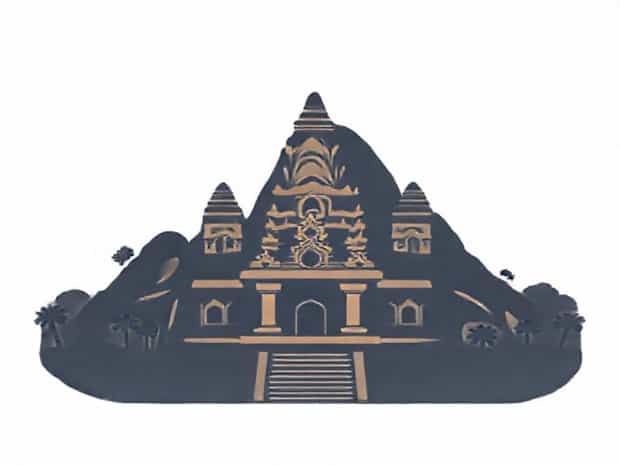
Is Batu Caves A Temple
Batu Caves is one of the most iconic landmarks in Malaysia, attracting both worshippers and tourists from around the world. People often wonder whether Batu Caves is a temple or simply a natural cave formation. The truth is that Batu Caves is both a religious site and a cultural attraction. Nestled just outside Kuala Lumpur, this site is famous for its towering golden statue of Lord Murugan, the colorful stairway leading to the main cavern, and its deep significance in Hindu tradition. To understand whether Batu Caves is a temple, it is important to explore its history, structure, and spiritual role.
The Origins of Batu Caves
The Batu Caves complex is a series of limestone caves believed to be around 400 million years old. They were used as shelters by indigenous communities before becoming a place of worship. In the late 19th century, an Indian trader named K. Thamboosamy Pillai installed a statue of Lord Murugan inside the caves, officially transforming the site into a Hindu temple. Since then, it has developed into a central place of worship for Hindus in Malaysia and beyond.
Religious Importance of Batu Caves
Batu Caves is not just a tourist attraction; it is a living temple complex dedicated to Lord Murugan, the Hindu god of war and victory. The site is especially important during Thaipusam, an annual Hindu festival that draws thousands of devotees. During this festival, worshippers perform rituals, carry kavadis, and climb the steep stairs to the temple within the caves as an act of devotion and penance.
What Makes Batu Caves a Temple
- The presence of shrines and statues dedicated to Hindu deities.
- Daily prayers, rituals, and offerings carried out by priests and devotees.
- The annual Thaipusam festival, which is among the largest religious celebrations in Malaysia.
- The spiritual atmosphere, where locals and international visitors alike participate in religious ceremonies.
Layout of Batu Caves
The Batu Caves temple complex consists of multiple caves, each with its own purpose and significance. The most well-known is the Temple Cave, but there are other smaller caves that also serve religious and cultural functions.
Main Caves within the Complex
- Temple CaveAlso known as Cathedral Cave, this is the largest and most significant part of Batu Caves. It houses several Hindu shrines and is the main site of worship.
- Dark CaveA cave known for its unique ecosystem, bats, and limestone formations. This cave is not primarily a temple but adds to the cultural experience.
- Art Gallery Cave and Museum CaveThese caves contain Hindu statues, artwork, and exhibits explaining Hindu mythology and history.
The Iconic Lord Murugan Statue
Standing at over 42 meters tall, the golden statue of Lord Murugan at the entrance of Batu Caves is one of the tallest statues of a Hindu deity in the world. This statue symbolizes the religious identity of the site and is a powerful reminder that Batu Caves functions as a temple complex dedicated to Lord Murugan.
The Stairs to the Temple Cave
The famous rainbow-colored stairway leading to the Temple Cave is not only a striking visual feature but also a symbolic journey. Climbing the 272 steps is considered part of the pilgrimage for devotees. The vibrant colors of the stairs also enhance the site’s appeal for visitors, making Batu Caves both a spiritual and cultural destination.
Tourism and Worship
Batu Caves is unique because it blends tourism and religion. While many visitors come to admire the caves’ natural beauty, limestone formations, and vibrant stairway, others arrive with the sole purpose of worship. This dual identity raises the question is Batu Caves a temple, or a tourist attraction? The answer is both, as the site allows space for devotion while welcoming cultural curiosity.
How Visitors Experience Batu Caves
- Devotees visit to pray, make offerings, and fulfill vows to Lord Murugan.
- Tourists come to witness the architecture, sculptures, and panoramic views of Kuala Lumpur.
- Nature lovers enjoy exploring the caves and observing the monkeys that inhabit the area.
- Festival-goers experience Thaipusam’s vibrant rituals and processions.
Thaipusam Festival at Batu Caves
One of the strongest reasons Batu Caves is considered a temple is its role as the center of the Thaipusam celebration in Malaysia. During this festival, devotees carry kavadis decorated frameworks often pierced into their bodies as acts of devotion and penance. Thousands climb the steps to the Temple Cave while chanting and praying. The sheer scale of this religious event proves the central role of Batu Caves as a Hindu temple complex.
Comparison with Other Temples
Batu Caves differs from traditional temples in its location inside a limestone cave, yet it serves the same purpose as any other Hindu temple. While many temples are built with intricate architecture, Batu Caves is unique for being carved out of nature itself, adding an element of awe and majesty to its spiritual function.
Cultural and Historical Significance
Beyond its role as a temple, Batu Caves holds cultural importance as a symbol of Malaysia’s Indian community. It highlights the country’s multicultural identity and demonstrates how religion, culture, and tourism intersect. The temple complex has also become a heritage site recognized by both locals and international visitors.
Is Batu Caves Only a Temple?
While Batu Caves is undeniably a temple dedicated to Lord Murugan, it is more than just a religious site. It is also a cultural landmark, a tourist destination, and a natural wonder. The combination of these aspects makes it unique compared to other temples around the world.
Multiple Identities of Batu Caves
- Religious SiteA functioning Hindu temple complex with active worship.
- Cultural LandmarkA representation of Hindu culture in Malaysia.
- Tourist AttractionA major stop for international visitors exploring Kuala Lumpur.
- Natural WonderAncient limestone caves that predate human settlement.
Practical Information for Visitors
For those planning to visit, it is important to remember that Batu Caves is first and foremost a temple. Visitors should dress modestly, covering shoulders and knees, out of respect for the religious practices. While photography is allowed, it is important to be mindful of worshippers and ceremonies taking place.
So, is Batu Caves a temple? The answer is yes. Batu Caves functions as a Hindu temple complex dedicated to Lord Murugan, while also serving as a cultural and natural landmark. Its combination of religious significance, breathtaking caves, and iconic landmarks makes it a unique destination in Malaysia. For worshippers, it is a sacred space; for travelers, it is a place of discovery. Batu Caves is both a temple and much more, blending faith, culture, and natural beauty in one unforgettable site.