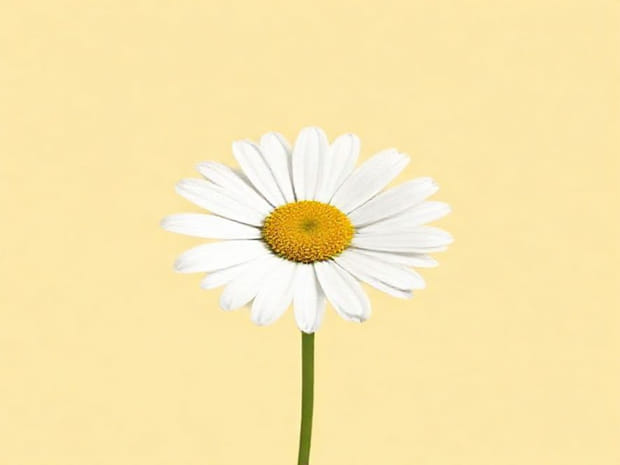
Facts About Transvaal Daisy
The Transvaal daisy, known scientifically as Osteospermum, is a stunning flowering plant native to South Africa that has captured the attention of gardeners and horticulture enthusiasts around the world. Renowned for its vibrant colors, unique petal shapes, and long-lasting blooms, the Transvaal daisy adds a lively splash of color to gardens, landscapes, and container arrangements. Often associated with resilience and adaptability, this flowering plant thrives in sunny conditions and well-drained soils, making it a favorite choice for both amateur and professional gardeners. Its popularity continues to grow due to its low maintenance requirements and the striking visual impact it delivers throughout the growing season.
Origin and Distribution
The Transvaal daisy is native to the Transvaal region in northeastern South Africa, which is characterized by a subtropical climate with warm summers and mild winters. It naturally grows in open grasslands and rocky outcrops, where it has adapted to thrive in full sunlight and nutrient-poor soils. Over time, gardeners and horticulturalists have introduced the Transvaal daisy to other parts of the world, including Europe, North America, and Australia, where it has become a popular ornamental plant due to its vibrant flowers and adaptability.
Climate and Habitat Requirements
- Prefers full sun exposure to achieve maximum flower production
- Thrives in well-drained, sandy or loamy soils
- Tolerates drought conditions once established, making it suitable for xeriscaping
- Performs best in temperate to subtropical climates with minimal frost
The ability of the Transvaal daisy to adapt to various climates and soil conditions contributes to its wide cultivation and popularity as an ornamental plant across the globe.
Botanical Characteristics
The Transvaal daisy belongs to the Asteraceae family, which includes many familiar flowers such as sunflowers and chrysanthemums. It is a perennial in its native habitat but is often grown as an annual in colder regions. One of its most striking features is the daisy-like flower head, which can exhibit a range of colors, including white, yellow, pink, purple, and deep blue. The flowers typically bloom from spring through autumn, providing continuous color for extended periods.
Leaves and Stems
The plant’s foliage consists of lance-shaped or spoon-shaped leaves that are usually dark green and sometimes slightly succulent, aiding in moisture retention. The stems are slender but sturdy, supporting multiple flower heads on each plant. This growth habit allows the Transvaal daisy to create a bushy, compact appearance, making it ideal for borders, containers, and mass plantings.
Flowers and Reproduction
The flowers of the Transvaal daisy are characterized by their unique central disc, often contrasting in color with the surrounding petals. The petals themselves can be smooth or slightly spoon-shaped, creating a dynamic visual effect. Pollination is typically carried out by insects such as bees and butterflies, which are attracted to the bright colors and nectar-rich blooms. The plant produces seeds that can be collected for propagation, though vegetative methods such as cuttings are also effective for maintaining specific cultivars.
Cultivation and Care
Growing Transvaal daisies is relatively straightforward, making them an excellent choice for beginner gardeners. They require moderate watering, ensuring that the soil remains moist but not waterlogged. Overwatering can lead to root rot, while under-watering may reduce flowering and affect plant health. Fertilizing with a balanced, slow-release fertilizer during the growing season promotes vigorous growth and abundant blooms.
Planting Tips
- Choose a sunny location with well-drained soil
- Space plants 12-18 inches apart to allow for adequate airflow
- Deadhead spent flowers to encourage continuous blooming
- Protect young plants from frost and extreme cold
Transvaal daisies can also be grown in containers, hanging baskets, or mixed flower beds, making them versatile for various garden designs. Regular pruning and removal of faded blooms help maintain the plant’s appearance and prolong its flowering period.
Varieties and Hybrids
Over the years, horticulturists have developed numerous varieties and hybrids of the Transvaal daisy to enhance its ornamental value. These hybrids often feature larger blooms, more vibrant colors, and improved tolerance to environmental stressors. Some popular cultivars include
- Osteospermum Serenity’ – known for large white flowers with purple centers
- Osteospermum Purple Emperor’ – produces deep purple, almost velvety blooms
- Osteospermum Sunnytime Yellow’ – bright yellow flowers ideal for sunny borders
- Osteospermum Spoon’ – named for its unique spoon-shaped petals that create a distinctive visual effect
These cultivars allow gardeners to select plants that fit specific aesthetic preferences, making the Transvaal daisy a versatile addition to diverse garden themes and color schemes.
Ecological and Pollinator Benefits
The Transvaal daisy is not only attractive to humans but also supports local ecosystems by providing nectar and pollen for pollinators. Bees, butterflies, and other beneficial insects frequently visit the flowers, contributing to the health of surrounding plants and gardens. Its extended flowering period ensures that pollinators have a reliable food source over several months, supporting biodiversity in both home gardens and larger landscape projects.
Companion Planting
Transvaal daisies pair well with other sun-loving, drought-tolerant plants. Their vibrant colors complement plants such as lavender, salvia, and ornamental grasses, creating visually appealing and ecologically beneficial garden combinations. Companion planting with flowering plants that attract pollinators can enhance the overall health and productivity of a garden space.
Common Challenges and Pests
While relatively hardy, Transvaal daisies can be susceptible to certain pests and diseases if proper care is not taken. Common issues include aphids, spider mites, and fungal infections caused by overwatering or poor drainage. Regular monitoring, proper watering practices, and good air circulation can help prevent most problems. Additionally, using natural pest control methods and maintaining soil health contribute to the overall resilience of the plant.
Seasonal Considerations
In colder climates, Transvaal daisies are often grown as annuals, as they are sensitive to frost. Mulching and providing temporary protection during cooler nights can help extend the flowering season. In warmer climates, these plants may behave as perennials, continuing to bloom year after year with minimal care.
The Transvaal daisy is a remarkable flowering plant that combines beauty, resilience, and ecological value. Its vibrant blooms, diverse cultivars, and adaptability to various garden conditions make it a favorite among gardeners worldwide. Beyond its visual appeal, it contributes to local ecosystems by supporting pollinators and promoting biodiversity. Whether grown in flower beds, containers, or mixed landscapes, the Transvaal daisy continues to captivate with its long-lasting color and unique aesthetic. Its ease of care, combined with the ecological benefits and striking beauty, ensures that this South African native remains a treasured addition to gardens across the globe.