Examples Of Distracted Driving
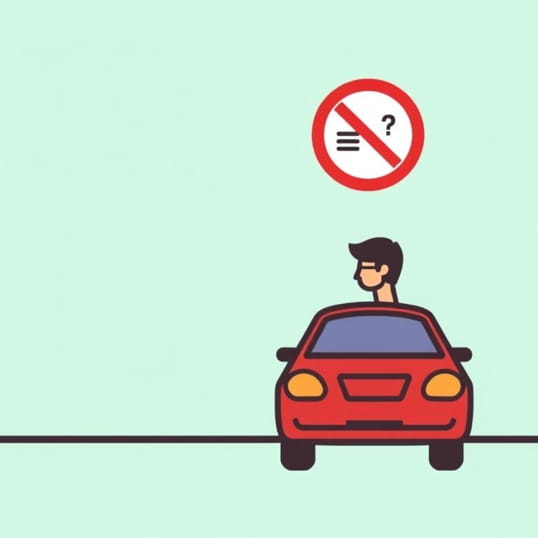
Distracted driving is one of the leading causes of road accidents worldwide. Many drivers assume that distractions only involve using a mobile phone, but the reality is much broader. Distractions can be visual, manual, or cognitive, and each type interferes with safe driving in different ways. Whether it is looking at something outside the car, eating a quick snack, or simply letting the mind wander, distracted driving can significantly increase the risk of a crash. Understanding the many examples of distracted driving helps drivers stay aware of these risks and make better choices behind the wheel.
Types of Distracted Driving
Experts classify distracted driving into three main categories. Each type involves a different aspect of attention being pulled away from the road
- Visual distractionsTaking your eyes off the road.
- Manual distractionsTaking your hands off the steering wheel.
- Cognitive distractionsTaking your mind off driving.
Some distractions involve only one category, while others combine all three. Recognizing these categories helps to understand why certain behaviors are so dangerous.
Visual Distraction Examples
Visual distractions happen when drivers look away from the road, even for a second. This can be enough time for traffic conditions to change and accidents to occur.
Looking at a Mobile Phone
Checking text messages, scrolling social media, or using navigation apps are common visual distractions. Even a quick glance at a phone can result in missing important cues such as brake lights ahead.
Checking GPS or Dashboard Screens
Modern vehicles often include digital displays. Adjusting navigation systems, changing settings, or checking information diverts attention away from traffic and surroundings.
Looking at Scenery or Billboards
Drivers may get caught up admiring the scenery or reading roadside advertisements. Although this seems harmless, it shifts focus away from what is happening on the road.
Searching for Objects Inside the Car
Trying to find a dropped item, looking in a bag, or reaching for something in the back seat all count as visual distractions. Eyes that should be on the road are diverted elsewhere.
Manual Distraction Examples
Manual distractions occur when a driver takes one or both hands off the wheel. Even if the eyes remain on the road, steering control and reaction time are compromised.
Eating and Drinking
Many people eat on the go, especially during long commutes. Handling food, unwrapping packaging, or sipping a drink can take hands off the wheel and increase accident risks.
Adjusting Vehicle Controls
Changing radio stations, adjusting air conditioning, or controlling seat settings all require momentary removal of hands from the wheel.
Personal Grooming
Activities like applying makeup, fixing hair, or shaving while driving are surprisingly common. These actions create both manual and visual distractions.
Holding or Handling Electronic Devices
Typing on a phone, adjusting a tablet, or handling headphones can easily pull a driver’s hands away from steering, limiting their ability to respond quickly.
Cognitive Distraction Examples
Cognitive distractions are mental diversions. Even if eyes are on the road and hands are on the wheel, the driver’s mind may not fully process the driving environment.
Daydreaming
Getting lost in thought while driving is one of the most common cognitive distractions. A distracted mind may not register stoplights, road signs, or sudden traffic changes.
Talking to Passengers
While social interaction is natural, deep conversations or emotional discussions can reduce a driver’s ability to focus on the road.
Listening to Podcasts or Audiobooks
Engaging stories, intense debates, or educational material can demand more attention than background music, reducing mental focus on driving.
Stress or Strong Emotions
Driving while angry, upset, or overly excited can impair judgment and cause impulsive decisions. Emotional distraction is often underestimated but highly dangerous.
Combined Distraction Examples
Many distractions involve more than one category, making them particularly risky. These combined distractions impair multiple senses and increase accident potential.
Texting While Driving
Texting combines all three forms of distraction. The driver looks at the phone (visual), types with their hands (manual), and thinks about the conversation (cognitive). This combination is why texting while driving is often compared to drunk driving in terms of risk.
Eating While Talking
A driver who eats a sandwich while chatting with a passenger is dividing attention between manual and cognitive tasks, which reduces the ability to respond quickly to sudden changes.
Using In-Car Technology
Voice commands, touchscreen adjustments, or programming navigation systems often combine manual, visual, and cognitive distractions at once. While marketed as convenient, these systems can create unsafe driving habits if misused.
Consequences of Distracted Driving
The dangers of distracted driving go beyond the driver. Passengers, pedestrians, cyclists, and other road users are all at risk. Common consequences include
- Rear-end collisions caused by delayed braking.
- Lane drifting due to loss of focus.
- Failure to notice pedestrians at crosswalks.
- Running red lights or stop signs.
- Reduced ability to react to sudden hazards.
In addition to physical harm, distracted driving often leads to financial costs such as traffic fines, higher insurance rates, and vehicle repairs.
How to Reduce Distractions
Drivers can take proactive steps to minimize distractions and stay focused on the road
- Put mobile phones on silent or out of reach while driving.
- Set navigation and music before starting the trip.
- Eat meals before or after driving, not during.
- Pull over safely if something requires full attention.
- Practice mindfulness to stay mentally engaged with driving tasks.
Making these small adjustments reduces risks and ensures safer journeys for everyone on the road.
Key Lessons About Distracted Driving
Distracted driving is not limited to texting or phone use. It includes anything that diverts a driver’s eyes, hands, or mind from operating a vehicle safely. From adjusting the radio to experiencing emotional stress, the list of examples is long and varied. The most dangerous situations often involve overlapping distractions that reduce awareness and reaction time. By recognizing these examples and committing to avoid them, drivers can greatly reduce the chance of preventable accidents.
Final Thoughts
Examples of distracted driving reveal how easily attention can drift during everyday activities. Simple actions like eating, talking, or adjusting controls may feel routine, but they can create dangerous situations in seconds. Staying focused requires discipline, preparation, and awareness. The road demands full attention, and by minimizing distractions, drivers protect not only themselves but everyone around them.