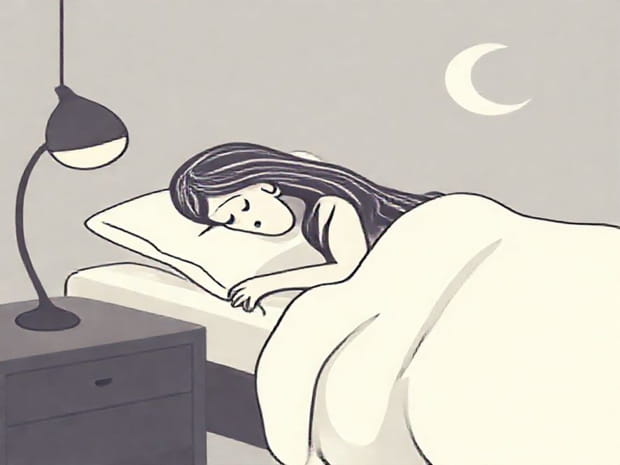
How To Sleep With Long Hair
Sleeping with long hair can be challenging, especially for individuals who want to maintain healthy, tangle-free, and frizz-free strands. Long hair is prone to breakage, knots, and dryness, particularly when it rubs against pillowcases during the night. Developing the right bedtime hair routine and using specific techniques can significantly improve hair health and appearance. From protective hairstyles to choosing the right pillowcase material, there are several strategies to ensure that long hair remains smooth, nourished, and manageable while you sleep. Understanding these methods can save time in the morning and prevent long-term damage to your hair.
Importance of Protecting Long Hair While Sleeping
Long hair requires special care because it is more susceptible to split ends, breakage, and tangling. During sleep, hair is subjected to friction from pillowcases, tossing and turning, and environmental factors such as dryness in the bedroom. Without proper protection, these factors can lead to frizz, uneven texture, and hair loss. Protecting long hair at night not only preserves its appearance but also promotes overall hair health, reduces the need for frequent trims, and supports faster hair growth by minimizing damage.
Choosing the Right Pillowcase
The type of pillowcase used can have a major impact on hair health
- Silk or Satin PillowcasesThese materials create less friction compared to cotton, reducing breakage and frizz. They also help retain moisture in the hair, keeping it soft and smooth.
- Cotton PillowcasesWhile common, cotton can cause more friction, which may lead to tangles and dryness over time. If using cotton, consider placing a silk or satin scarf over the hair.
- Cooling PillowcasesSome pillowcases offer breathable, moisture-retaining fabrics that are gentle on hair and help prevent scalp dryness.
Protective Hairstyles for Sleeping
One of the most effective ways to prevent tangles and damage while sleeping is to use protective hairstyles. These styles help keep hair in place, reduce friction, and minimize stress on the hair shaft.
Loose Braids
Creating a loose braid before bed can prevent hair from tangling while you toss and turn
- Opt for a single braid or two braids depending on hair volume.
- Keep the braid loose to avoid tension that can cause breakage.
- Use a soft hair tie, such as a scrunchie, to avoid creases and damage.
Low Ponytail
A low ponytail is another gentle option for keeping long hair contained
- Secure the hair at the nape of the neck using a soft elastic.
- Avoid tight ponytails as they can pull on the hair and cause breakage.
- This method works well for thick or straight hair types.
Loose Bun
For those with very long hair, a loose bun can be an excellent protective style
- Gather the hair loosely at the top or back of the head.
- Use a scrunchie or soft hair tie to secure the bun.
- Ensure the bun is not tight to prevent stress on hair roots.
Hair Care Tips Before Bed
Implementing a bedtime hair care routine can greatly enhance the condition of long hair. These steps help maintain moisture, reduce tangling, and prepare hair for a restful night.
Detangling Hair
Brushing or combing hair before sleep helps prevent knots
- Use a wide-tooth comb or a detangling brush to gently remove tangles.
- Start from the tips and work your way up to the roots to minimize breakage.
- Detangling also distributes natural oils from the scalp, enhancing hair shine and health.
Applying Leave-In Conditioner or Hair Oil
Moisturizing hair before bed can prevent dryness and frizz
- Apply a small amount of leave-in conditioner to the hair, focusing on ends.
- Hair oils such as argan, coconut, or jojoba oil can provide additional nourishment and shine.
- Avoid applying too much product near the scalp to prevent greasiness.
Keeping Hair Dry or Slightly Damp
Sleeping with completely wet hair can cause breakage and scalp irritation. To protect long hair
- Allow hair to air dry until slightly damp before braiding or tying it up.
- If hair must be washed at night, use a microfiber towel to gently remove excess moisture.
Additional Tips for Healthy Long Hair While Sleeping
In addition to protective hairstyles and pillowcase choices, other strategies can further improve hair health during sleep
- Use Hair Wraps or BonnetsSilk or satin hair wraps reduce friction and preserve hairstyle overnight.
- Regular TrimmingTrim split ends regularly to maintain healthy hair and prevent tangling.
- Adjust Room HumidityUsing a humidifier in dry climates can prevent hair from becoming brittle.
- Avoid Tight AccessoriesElastics, clips, or pins should be soft and loose to minimize tension on the hair.
- Change Sleeping PositionsAlternate sleeping positions to reduce constant pressure on one side of the hair.
Sleeping with long hair requires careful attention to prevent tangles, breakage, and dryness. Using protective hairstyles like loose braids, buns, or low ponytails, choosing the right pillowcase material, and following a bedtime hair care routine can make a significant difference in maintaining healthy, smooth, and manageable hair. Regular detangling, moisturizing, and protective measures, combined with proper sleep habits, allow individuals to wake up with hair that looks polished and feels nourished. By implementing these strategies consistently, long hair can remain beautiful, strong, and resilient while minimizing damage and maximizing shine.