How To Get Rid Of Copperhead Snakes
Encountering a copperhead snake in or around your property can be alarming, as these venomous snakes are native to many regions in North America and can pose a risk to humans and pets. Copperheads are generally not aggressive, but their camouflage and habit of remaining still make them easy to overlook, increasing the chance of accidental encounters. Learning how to get rid of copperhead snakes safely and effectively is essential for homeowners seeking to protect their family, pets, and property while respecting wildlife regulations and safety guidelines.
Understanding Copperhead Snakes
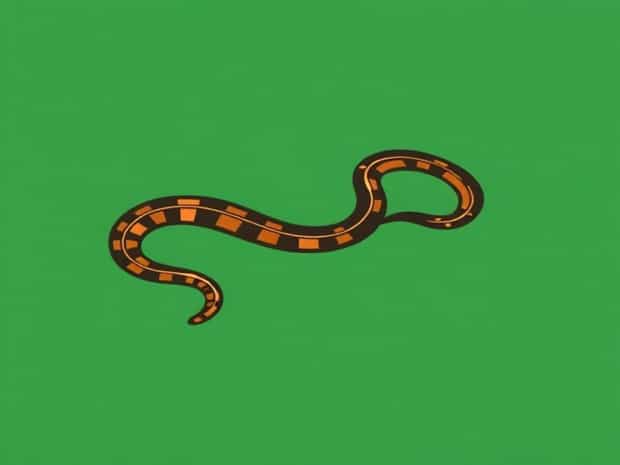
Copperhead snakes, scientifically known asAgkistrodon contortrix, are venomous pit vipers commonly found in forests, fields, and suburban areas with dense vegetation. They are recognizable by their copper-colored heads and distinctive hourglass-shaped patterns along their bodies. Copperheads are primarily nocturnal during hot summer months, feeding on small mammals, birds, amphibians, and insects. Understanding their behavior and habitat is crucial when implementing strategies to remove or deter them.
Signs of Copperhead Presence
- Shedding skins near your yard or garden
- Snake tracks or trails in soft soil
- Frequent sightings in woodpiles, brush, or rock piles
- Predation evidence, such as missing small rodents or birds
Preventive Measures to Keep Copperheads Away
Prevention is often more effective than removal. Modifying the environment around your property can make it less appealing for copperhead snakes. Key preventive strategies include clearing debris, controlling pests, and securing areas where snakes might hide.
1. Maintain Your Yard
Keeping your lawn mowed and vegetation trimmed reduces hiding spots for copperheads. Remove piles of leaves, wood, or stones that provide shelter. Additionally, keep gardens tidy and avoid tall grass along walkways and around your home.
2. Control Rodent Populations
Copperheads feed on rodents and small mammals. Reducing the rodent population in and around your property can make your yard less attractive to snakes. Use safe rodent traps or consult pest control services to manage infestations effectively.
3. Install Barriers
Physical barriers can help prevent snakes from entering your property. Consider fencing with fine mesh, buried several inches below the ground, and angled outward to discourage copperheads from climbing over. Ensure fences are maintained regularly for effectiveness.
Safe Removal Techniques
If copperheads are already present, it is important to approach removal with caution. Due to their venomous nature, safety should be the top priority. Professionals are often the safest option for removing snakes from your property.
1. Contact a Professional Snake Removal Service
Trained wildlife or pest control professionals have the knowledge and equipment to handle venomous snakes safely. They can identify the species, remove snakes without harm to humans or pets, and relocate them according to local wildlife laws.
2. Use Snake Traps
For non-professional homeowners, specialized snake traps can help capture copperheads. Place traps along likely pathways, such as along fences, under decks, or near woodpiles. Check traps frequently and avoid direct contact. It is important to release or dispose of captured snakes according to local regulations.
3. Minimize Human-Snake Encounters
While removing snakes, minimize the risk of bites by wearing protective clothing, including thick boots and gloves, and using long-handled tools. Never attempt to handle a venomous snake directly without training.
Repellents and Deterrents
Although some commercial snake repellents claim to deter copperheads, their effectiveness can vary. Natural deterrents, combined with environmental management, can help reduce snake presence.
1. Natural Repellents
- Planting snake-repelling plants such as marigolds or lemongrass
- Using naphthalene or sulfur-based deterrents with caution
- Maintaining a dry yard, as snakes prefer moist environments
2. Habitat Modification
Removing excess water sources, sealing cracks or openings in foundations, and installing screens over vents can further discourage copperheads from inhabiting your property. Proper landscaping, such as gravel borders or cleared perimeters, creates an inhospitable environment for snakes.
Safety Tips for Homeowners
Dealing with venomous snakes requires careful attention to safety. Copperhead bites are rarely fatal, but they can cause significant pain, swelling, and medical complications. Knowing how to respond to encounters is crucial.
1. Avoid Confrontation
If you see a copperhead, give it space and do not attempt to touch or provoke it. Most bites occur when snakes are accidentally stepped on or cornered.
2. Educate Family Members
Teach children and pets to recognize snakes and stay away from areas where snakes may hide. Establish safe practices, such as wearing shoes outdoors and keeping pets on leashes in areas prone to snakes.
3. Medical Preparedness
In case of a bite, seek immediate medical attention. Keep the affected limb immobilized, remain calm, and avoid using tourniquets or cutting the wound. Prompt treatment reduces complications and speeds recovery.
Long-Term Copperhead Control
Continuous monitoring and maintenance are essential to prevent copperhead re-infestation. Regularly inspect your yard, maintain preventive measures, and keep vegetation trimmed. By creating an environment that is unattractive to snakes and promptly addressing sightings, homeowners can coexist safely with local wildlife while minimizing risks.
Summary
Getting rid of copperhead snakes involves a combination of prevention, habitat modification, and safe removal practices. By understanding their behavior, controlling rodent populations, maintaining a tidy yard, and using professional removal services when necessary, homeowners can protect their families and pets from potential danger. Safety, respect for wildlife, and proactive management are key to effective copperhead control, ensuring that your property remains safe and comfortable for everyone.