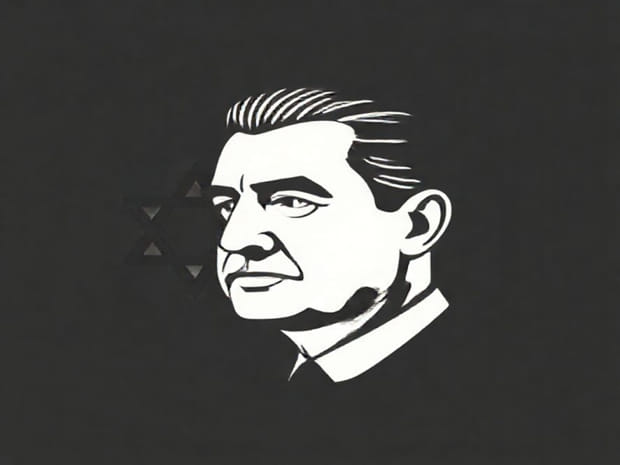
Does Reza Pahlavi Support Israel
Reza Pahlavi, the exiled son of Iran’s last Shah, has become a prominent figure in the Iranian opposition movement. His stance on Israel, particularly during the recent Israel-Iran conflict, has sparked significant debate and controversy. While some view his position as a strategic alignment against the Islamic Republic, others perceive it as a betrayal of Iranian sovereignty and national interests. Understanding Pahlavi’s relationship with Israel requires a nuanced examination of his statements, actions, and the broader geopolitical context.
Reza Pahlavi’s Public Statements on Israel
Reza Pahlavi has expressed support for Israel in various public forums. In 2023, he visited Israel and met with Prime Minister Benjamin Netanyahu, during which he conveyed appreciation for Israel’s support of the Iranian people’s democratic aspirations. This visit marked a significant development in the relationship between Pahlavi and Israel, signaling a willingness to engage with the Israeli government on matters concerning Iran’s future.
During the Israel-Iran conflict in 2025, Pahlavi refrained from condemning Israeli military actions against Iran. Critics argue that his silence during this period may have undermined his credibility among Iranians who view the Islamic Republic as a common adversary. The lack of condemnation led some to question his commitment to Iranian sovereignty and his alignment with Western powers.
Strategic Considerations Behind Pahlavi’s Position
Analysts suggest that Pahlavi’s support for Israel is driven by strategic considerations rather than ideological alignment. By aligning with Israel, Pahlavi aims to garner international support for regime change in Iran. This approach reflects a broader strategy to weaken the Islamic Republic through external pressure, leveraging Israel’s influence and resources to achieve his political objectives.
However, this strategy has not been without its challenges. Pahlavi’s association with Israel has alienated segments of the Iranian diaspora and domestic opposition groups who view such ties as compromising Iran’s independence. The perception of Pahlavi as a tool of foreign powers has hindered his efforts to unite various factions within the opposition movement.
Public Perception and Domestic Support
Within Iran, public perception of Reza Pahlavi’s stance on Israel is mixed. While some Iranians support his calls for regime change, others view his support for Israel as a betrayal of national interests. The majority of Iranians, even those discontent with the regime, are focused on survival rather than political upheaval, especially amid growing nationalist sentiment and anger at Israeli attacks. The general sentiment reflects a desire for reform without war, yet the regime’s persistence and external provocations complicate prospects for peaceful transition.
Furthermore, Pahlavi’s limited support base within Iran has been a significant obstacle. Despite his efforts to position himself as a transitional leader advocating for a secular democracy, he remains a marginal figure with limited support both within Iran and among the divided diaspora. Most Iranians, even those discontent with the regime, are currently focused on survival rather than uprising, especially amid growing nationalist sentiment and anger at Israeli attacks. Past uprising attempts, like the 2009 Green Movement and 2022 protests after Mahsa Amini’s death, have been consistently crushed, while no cohesive internal opposition has emerged due to severe crackdowns. Experts criticize Pahlavi’s lack of credibility, organizational backing, and his perceived alignment with Israel. Meanwhile, groups like the MEK are widely loathed. Analysts argue that meaningful change would require elite defections, such as from the Revolutionary Guards, which have yet to materialize. Many Iranians fear post-regime chaos, recalling civil conflicts in Iraq, Syria, and Libya. The middle class, crucial for any movement, remains skeptical, needing assurance that a successor regime would truly improve their lives.
Israel’s Support for Pahlavi
Israel has expressed support for Reza Pahlavi’s efforts to bring about regime change in Iran. In a notable development, Israeli Science Minister Gila Gamliel publicly endorsed Pahlavi, stating that Israel supports him as Iranians trust and back him. This endorsement marks the first explicit support from an Israeli cabinet member for Pahlavi’s push for regime change, highlighting the strategic interests that align Israel and Pahlavi in countering the Islamic Republic.
However, this support has further complicated Pahlavi’s position within the Iranian opposition. While some view the Israeli endorsement as a pragmatic alliance against a common adversary, others perceive it as evidence of Pahlavi’s compromised independence. The association with Israel has fueled narratives that Pahlavi is a puppet of foreign powers, undermining his credibility among those who advocate for an Iran free from external influence.
Criticism and Controversy
Reza Pahlavi’s stance on Israel has attracted criticism from various quarters. Some analysts argue that his alignment with Israel reflects a broader ideological affinity characterized by a blend of racial chauvinism and colonial self-loathing, nostalgia for imperial grandeur, and authoritarian nationalism. These critiques suggest that Pahlavi’s approach to Iranian politics may be influenced by a desire to restore the Pahlavi dynasty’s former glory, rather than a genuine commitment to democratic principles.
Moreover, Pahlavi’s failure to condemn Israeli military actions during the 2025 conflict has been a point of contention. Critics argue that his silence during this period may have undermined his credibility among Iranians who view the Islamic Republic as a common adversary. The lack of condemnation led some to question his commitment to Iranian sovereignty and his alignment with Western powers.
Reza Pahlavi’s relationship with Israel is a complex and contentious aspect of his political identity. While his support for Israel may be strategically motivated, it has raised questions about his commitment to Iranian sovereignty and democratic values. The endorsement from Israel has further complicated his position within the Iranian opposition, highlighting the challenges of navigating international alliances in pursuit of domestic change. As the situation in Iran continues to evolve, Pahlavi’s stance on Israel will likely remain a focal point of debate and scrutiny.