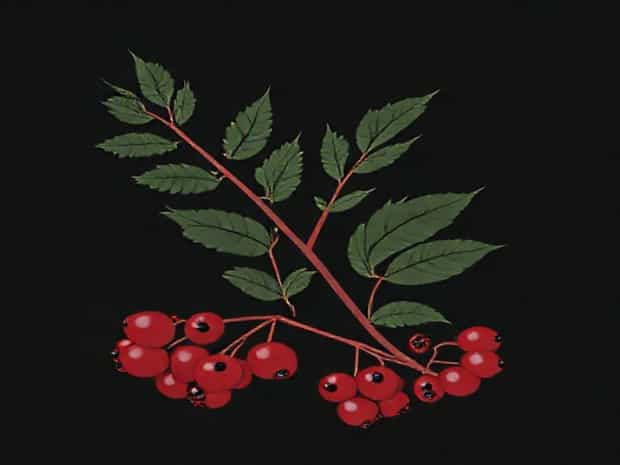
Does Poison Sumac Have Berries
Poison sumac is a plant that often raises concern among hikers, gardeners, and outdoor enthusiasts due to its ability to cause severe skin irritation upon contact. While many people are familiar with poison ivy and poison oak, poison sumac is less commonly encountered but equally potent. One of the questions that often arises about this plant is whether poison sumac has berries. Understanding the characteristics of poison sumac, including its leaves, stems, and berries, is crucial for correctly identifying it and avoiding its toxic effects. This knowledge is particularly important for anyone spending time in regions where poison sumac naturally grows, such as wetlands and swampy areas in the southeastern United States.
What is Poison Sumac?
Poison sumac (Toxicodendron vernix) is a woody shrub or small tree that can grow up to 30 feet tall. It belongs to the same plant family as poison ivy and poison oak, known for producing urushiol, an oily resin that causes allergic reactions in humans. Poison sumac is primarily found in wet, swampy areas with acidic soils, making it more localized compared to poison ivy, which has a broader range. Recognizing poison sumac is critical for avoiding exposure, as direct contact with the leaves, stems, or berries can lead to itching, redness, and painful rashes.
Physical Characteristics
Poison sumac can be identified by several key features. The plant typically has smooth, gray bark and pinnate leaves, which means each leaf cluster contains multiple leaflets, usually seven to thirteen. The leaflets are oblong and pointed, with smooth edges and a glossy appearance. In the fall, the leaves can turn vibrant shades of red, orange, or yellow, making the plant easier to spot. One of the distinctive features of poison sumac is its small, round, white or grayish berries, which grow in clusters. These berries are one of the identifiers that set poison sumac apart from other similar plants in the area.
Do Poison Sumac Plants Produce Berries?
Yes, poison sumac does produce berries. The berries are typically small, white to gray, and grow in clusters along the stems. Unlike some other plants that produce colorful berries to attract animals for seed dispersal, poison sumac’s berries are less conspicuous but still serve an ecological purpose. Birds and other wildlife may eat the berries, which can help spread the seeds to new locations. While the berries are not typically consumed by humans due to their toxic nature, they are an important aspect of the plant’s reproductive cycle.
Appearance of Poison Sumac Berries
Poison sumac berries are generally about 3 to 5 millimeters in diameter, with a smooth surface and a pale, off-white color. They hang in loose clusters from the branches and often remain on the plant into winter, providing a clear marker for identification when the leaves have fallen. The berries themselves, like the rest of the plant, contain urushiol, the chemical responsible for allergic reactions. Even without direct contact with the leaves, handling the berries can cause skin irritation and should be avoided.
Seasonal Changes and Berries
The presence and appearance of poison sumac berries can vary with the seasons. During the spring and summer, the plant produces new leaves and begins forming flower clusters. By late summer to early fall, these flowers develop into small berries. As the leaves change color and fall off in late autumn, the berries often persist, making it easier for observers to identify the plant even without foliage. Recognizing the berries during different seasons is useful for naturalists, hikers, and gardeners who want to avoid accidental contact.
Distinguishing Poison Sumac From Similar Plants
One of the challenges of identifying poison sumac is distinguishing it from similar-looking plants that may grow in the same habitat. For instance, sumac species such as staghorn sumac or smooth sumac also produce clusters of berries, but the berries of these species are typically red and safe to touch. Key differences include
- Poison sumac berries are pale white or gray, while edible sumac berries are bright red.
- The leaves of poison sumac are smooth-edged, glossy, and arranged in clusters of 7-13 leaflets, unlike some non-toxic sumac species.
- Poison sumac grows in wet, swampy areas, whereas non-toxic sumacs often grow in dry, open fields or along roadsides.
Health Risks of Poison Sumac Berries
All parts of the poison sumac plant, including berries, leaves, and stems, contain urushiol, the compound responsible for allergic reactions. Contact with urushiol can cause symptoms ranging from mild redness and itching to severe blistering and swelling. The berries, although small and seemingly harmless, are particularly dangerous because they can remain potent even after the growing season. Touching the berries and then inadvertently touching your face or other body parts can spread the reaction. It is important to wear protective clothing and gloves if you need to handle areas where poison sumac grows.
Prevention and Safety Tips
- Learn to identify poison sumac by its leaves, stems, and white or gray berries.
- Avoid touching any part of the plant, including berries, even if the plant appears dormant.
- Wear gloves, long sleeves, and long pants when working in swampy or wooded areas.
- Wash hands and clothing immediately after potential exposure.
- Educate children and outdoor enthusiasts about the dangers of poison sumac.
Ecological Role of Poison Sumac Berries
Despite their toxicity to humans, poison sumac berries serve an important role in the ecosystem. Birds and some mammals can consume the berries without ill effects, aiding in seed dispersal. The berries provide a winter food source for wildlife when other fruits and nuts are scarce. This ecological function highlights the interconnectedness of species in swampy and wetland habitats, where poison sumac thrives and contributes to the biodiversity of the area.
Conservation and Habitat
Poison sumac is a native plant in parts of the southeastern United States and is adapted to specific wetland habitats. While it is often regarded as a nuisance due to its toxicity, the plant plays a role in maintaining wetland ecosystems. Protecting wetlands ensures that poison sumac, along with other native flora, continues to provide habitat and food for local wildlife, including birds that rely on its berries during the colder months.
poison sumac does have berries, which are typically pale white or gray and grow in clusters. These berries, like the leaves and stems, contain urushiol, making them toxic to humans and capable of causing allergic reactions. Understanding the characteristics of poison sumac, including its berries, is essential for safe outdoor activity and plant identification. Recognizing the berries, along with other features like leaf arrangement and habitat, helps distinguish poison sumac from non-toxic look-alike plants. While the berries play a vital role in the ecosystem by supporting wildlife, caution is necessary when navigating areas where poison sumac grows.
Overall, awareness and education about poison sumac and its berries can prevent accidental exposure and skin irritation. Observing the plant from a safe distance, wearing protective clothing, and learning to identify the distinguishing features of poison sumac are the best strategies for enjoying natural environments safely. By understanding both the dangers and ecological importance of poison sumac berries, individuals can navigate outdoor spaces responsibly while appreciating the unique plants that inhabit wetland ecosystems.