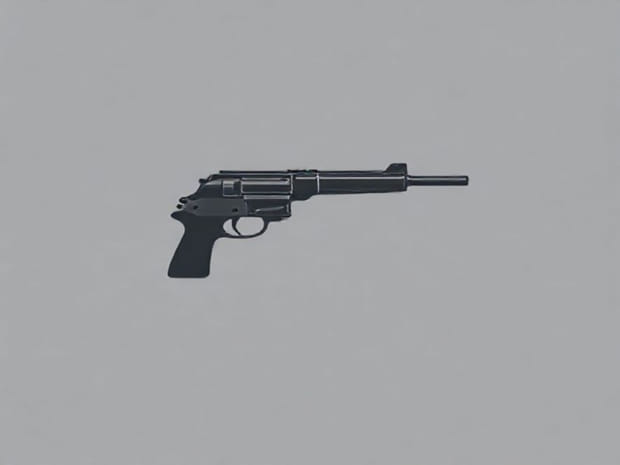
Difference Between A Ruger And A Luger
When discussing firearms, it is common for people to confuse the names Ruger” and “Luger,” but these two terms refer to completely different things. While both are associated with guns, they differ in origin, design, function, and historical significance. Understanding the differences between a Ruger and a Luger is important for collectors, enthusiasts, and anyone interested in firearms history. These distinctions go beyond mere spelling and touch on the technical specifications, uses, and reputation of each type of firearm.
Origins and History
The origins of Ruger and Luger are separated by time, geography, and purpose. Ruger is a modern American firearms manufacturer known for producing a wide range of reliable guns, including pistols, rifles, and revolvers. Founded in 1949 by William B. Ruger and Alexander McCormick Sturm, Sturm, Ruger & Co., commonly known as Ruger, has built a reputation for innovation, durability, and affordability.
In contrast, the Luger, officially called the Pistole Parabellum 1908, is a historic German semi-automatic pistol designed by Georg Luger in the late 19th century. Introduced in 1900, the Luger became famous as the standard sidearm of the German military during both World Wars. Its design, precision, and unique toggle-lock mechanism make it an iconic firearm in both historical and collector circles.
Ruger Modern American Engineering
Ruger has developed a diverse lineup of firearms. Popular models include the Ruger 10/22 rifle, known for its reliability and ease of customization, and the Ruger GP100 revolver, praised for its durability and ergonomic design. Ruger firearms are manufactured using modern machining techniques and materials, focusing on consistency and performance. The brand has a reputation for producing firearms suitable for sport shooting, hunting, and self-defense.
Luger German Precision and History
The Luger pistol is recognized for its distinctive toggle-lock action, a departure from traditional slide mechanisms seen in most modern handguns. Its production primarily took place in Germany and Switzerland, with a focus on military contracts. The Luger’s ergonomic design, accuracy, and unique aesthetic contributed to its lasting historical significance. Collectors often seek original Lugers, particularly those from World War I and World War II, for their historical and monetary value.
Design and Mechanism
The most noticeable difference between a Ruger and a Luger lies in their design and firing mechanisms. Ruger firearms, depending on the model, typically use conventional designs found in modern handguns, rifles, and revolvers. For instance, Ruger semi-automatic pistols often employ a short recoil or striker-fired system, which is widely used in contemporary firearms for reliability and ease of maintenance.
The Luger, on the other hand, features a toggle-lock action, which is a unique mechanical system. When fired, the toggle bends upward and backward, extracting and ejecting the spent cartridge before chambering a new round. This mechanism, while mechanically interesting and precise, is more complex than typical firearm actions, requiring careful maintenance and skilled handling.
Ergonomics and Handling
Ruger firearms are designed with modern ergonomics in mind, including adjustable grips, recoil management, and safety mechanisms suitable for both beginners and experienced shooters. The variety of models allows users to choose guns that match their needs, whether for target practice, hunting, or home defense.
The Luger, although praised for its grip angle and accuracy, requires more attention due to its older design and historical manufacturing tolerances. Its handling is distinctive, offering a smooth trigger and balanced feel, but it is less forgiving in terms of maintenance compared to modern Ruger firearms.
Caliber and Ammunition
Ruger produces firearms in a broad range of calibers, from small.22 LR rimfire rounds to large.44 Magnum and.45 caliber cartridges. This versatility allows shooters to select the appropriate caliber for their intended use, from casual plinking to serious hunting and self-defense. Ammunition availability is generally high, and Ruger firearms are compatible with standard modern ammunition types.
The Luger is most commonly chambered in 9mm Parabellum (9x19mm), a round that became one of the most popular pistol cartridges in the world. Early models were also available in.30 Luger (7.65x21mm). The choice of ammunition was influenced by military specifications and historical context, and today, enthusiasts and collectors often seek authentic vintage cartridges or reloads for their Lugers.
Maintenance and Durability
Ruger firearms benefit from decades of engineering improvements, making them generally easier to maintain. Parts are widely available, and modern materials enhance durability. Routine cleaning and basic mechanical knowledge are usually sufficient to ensure reliable operation.
The Luger, being a historical firearm, requires more careful maintenance. Original components may be fragile due to age, and the unique toggle mechanism demands proper lubrication and handling. Collectors and shooters must pay attention to these factors to preserve both functionality and value.
Purpose and Usage
The intended use of Ruger and Luger firearms further illustrates their differences. Ruger guns are designed for practical applications such as sport shooting, hunting, and personal defense. The variety of models and calibers allows users to select firearms suited for specific purposes, making Ruger a versatile brand for everyday use.
The Luger was originally designed as a military sidearm, emphasizing accuracy, reliability, and compactness for soldiers. While it is still functional for shooting, most Lugers today are considered collector’s items due to their historical significance. Modern competitive or recreational shooters often choose Ruger firearms over Lugers for practical reasons.
Collector Value
One of the most significant differences between the two is collector value. Lugers, especially those with historical provenance, can be highly valuable, often commanding high prices at auctions. Their significance stems from their role in history, craftsmanship, and rarity. Ruger firearms, while collectible in some cases, generally have lower historical value and are more accessible to the average shooter.
In summary, the difference between a Ruger and a Luger extends beyond spelling or pronunciation. Ruger is a modern American firearms manufacturer producing a wide range of practical, durable guns for sport, hunting, and defense. Luger refers to a historic German pistol with a distinctive toggle-lock mechanism, widely recognized for its role in military history and its collectible value. The two differ in origin, design, mechanism, caliber, maintenance, usage, and cultural significance. Understanding these distinctions is essential for enthusiasts, collectors, and anyone interested in firearms, whether for historical appreciation, practical use, or informed purchasing decisions. While both names are iconic in their own right, Ruger represents modern American ingenuity, whereas Luger embodies European craftsmanship and historical legacy.