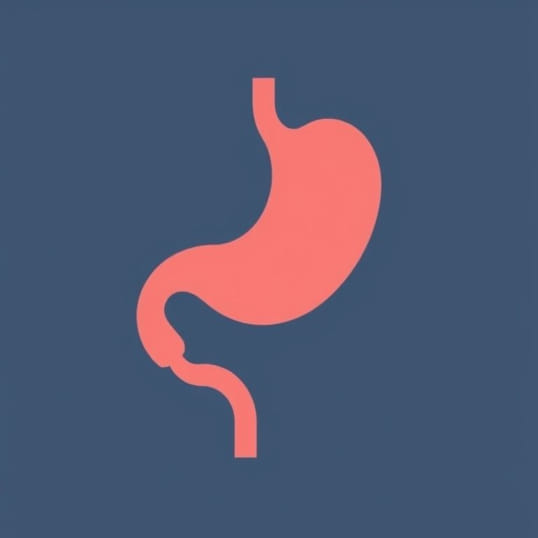
Diagram Of The Stomach Labeled
The human stomach is a vital organ in the digestive system, responsible for breaking down food and absorbing nutrients. Understanding its structure is essential for students, medical professionals, and anyone interested in human anatomy. A diagram of the stomach labeled with its key parts helps to visualize the organ’s complex design, revealing how each section contributes to digestion and overall health. The stomach’s unique shape and muscular walls allow it to perform mechanical and chemical digestion efficiently, making it a critical component of the digestive tract.
Overview of the Stomach
The stomach is a J-shaped organ located between the esophagus and the small intestine. It serves as a temporary storage site for food, mixes it with gastric juices, and gradually releases partially digested food into the small intestine. The stomach’s lining contains specialized cells that secrete acid and digestive enzymes to aid in the breakdown of proteins and other nutrients. Its muscular walls contract rhythmically to churn food, ensuring thorough mixing with gastric juices.
Main Regions of the Stomach
The stomach can be divided into four primary regions, each with a distinct function and anatomical structure. These regions are often labeled in educational diagrams to help learners understand their roles in digestion.
- CardiaThe cardia is the section of the stomach where food from the esophagus enters. It contains the lower esophageal sphincter, a muscular ring that prevents acid from flowing back into the esophagus, protecting it from damage.
- FundusThe fundus is the upper curved portion of the stomach, located above the level of the cardia. It serves as a storage area for undigested food and gases released during digestion.
- Body (Corpus)The body is the central and largest region of the stomach. It plays a major role in mixing food with gastric juices and breaking it down into a semi-liquid form called chyme.
- PylorusThe pylorus is the lower section of the stomach that connects to the small intestine. It contains the pyloric sphincter, which regulates the passage of chyme into the duodenum, ensuring proper digestion and nutrient absorption.
Stomach Layers
In a labeled diagram of the stomach, the layers of the stomach wall are often highlighted. These layers work together to facilitate digestion, protect the stomach lining, and support movement.
- MucosaThe innermost layer of the stomach, the mucosa, contains gastric glands that secrete acid and enzymes. It also has a protective mucus layer that shields the stomach from its acidic environment.
- SubmucosaThis layer lies beneath the mucosa and contains blood vessels, nerves, and connective tissue. It provides structural support and supplies nutrients to the mucosa.
- Muscularis externaThe muscular layer has three sublayers the inner oblique, middle circular, and outer longitudinal muscles. These muscles contract to churn and mix the stomach contents efficiently.
- SerosaThe outermost layer, the serosa, is a thin membrane that covers the stomach and provides protection while reducing friction with surrounding organs.
Important Anatomical Features
Beyond the main regions and layers, a labeled diagram often highlights specific anatomical features critical to stomach function.
- Greater curvatureThe longer, convex curve of the stomach that serves as an attachment point for the greater omentum, a fatty apron that supports abdominal organs.
- Lesser curvatureThe shorter, concave curve that provides attachment for the lesser omentum, connecting the stomach to the liver.
- RugaeThese are folds in the mucosa that allow the stomach to expand when food enters. They increase the surface area for digestion and absorption.
- Pyloric sphincterA muscular valve that controls the release of chyme from the stomach into the small intestine, preventing backflow and regulating digestion.
Function of the Stomach
The stomach’s functions extend beyond simple food storage. Its muscular movements, combined with the secretions from gastric glands, create an optimal environment for chemical digestion. Proteins are broken down by enzymes like pepsin, while acid kills harmful bacteria and facilitates nutrient absorption. The stomach also plays a role in signaling fullness and regulating appetite through hormone production.
Role in Digestion
The stomach contributes to digestion through mechanical and chemical processes. Mechanical digestion occurs as muscles contract to churn and mix food, while chemical digestion involves gastric secretions breaking down macronutrients. The acidic environment in the stomach helps denature proteins and activate digestive enzymes, ensuring that nutrients are adequately prepared for absorption in the small intestine.
Protection and Immunity
The stomach’s acidic environment serves as a barrier to pathogens, preventing infections from entering the digestive tract. Additionally, the mucus lining protects the stomach from self-digestion, maintaining tissue integrity and overall digestive health.
Educational Value of a Labeled Stomach Diagram
For students and medical professionals, a labeled diagram of the stomach is an invaluable educational tool. It visually explains the relationships between regions, layers, and anatomical features, making complex concepts easier to understand. Medical diagrams also aid in identifying pathologies such as ulcers, gastritis, and tumors by providing a reference for normal anatomy.
Learning Tools and Techniques
Using labeled diagrams, interactive apps, and 3D models can enhance learning and retention of stomach anatomy. Visual representation helps learners connect theoretical knowledge with practical understanding, making it easier to diagnose issues and comprehend digestive physiology.
- Highlight key regions and their functions.
- Study the layers to understand protective mechanisms and muscular contractions.
- Learn about sphincters and their role in regulating food passage.
- Understand anatomical variations and common disorders affecting the stomach.
Understanding the stomach through a detailed, labeled diagram provides a comprehensive view of its structure and functions. Each region, layer, and anatomical feature contributes to efficient digestion, protection, and nutrient absorption. Visual learning aids, including diagrams, enhance comprehension and retention, making them essential for students, healthcare professionals, and anyone interested in human biology. The stomach’s complexity is a testament to the remarkable design of the human digestive system, demonstrating how anatomy and physiology work in harmony to support health and well-being.