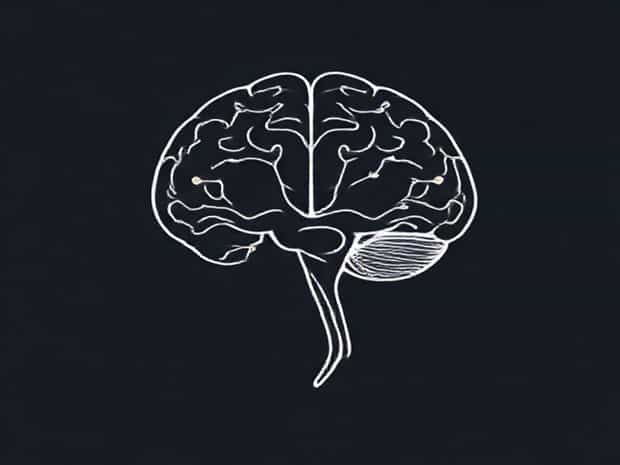
Cranial Nerve Nuclei Location
The human nervous system is a remarkable network that controls sensation, movement, and vital bodily functions. Among its most complex components are the cranial nerves, twelve pairs of nerves that emerge directly from the brain rather than the spinal cord. Each cranial nerve has specific roles, ranging from sensory perception like smell and vision to motor control of muscles in the face and neck. Understanding the cranial nerve nuclei and their locations within the brainstem is crucial for medical students, neurologists, and anyone interested in neuroanatomy, as it provides insight into how signals are transmitted and how different brain regions coordinate essential functions.
Overview of Cranial Nerve Nuclei
Cranial nerve nuclei are clusters of neurons in the brainstem that serve as origin points for cranial nerves. They act as relay stations, processing incoming sensory information or generating outgoing motor commands. Depending on their function, these nuclei are categorized into sensory, motor, or mixed types. The location of each nucleus within the midbrain, pons, or medulla oblongata determines the pathway of the corresponding cranial nerve and the type of information it transmits.
Classification of Cranial Nerve Nuclei
- Motor nucleiControl voluntary muscles, including those of the eyes, face, and tongue.
- Sensory nucleiProcess sensory input such as touch, pain, temperature, and special senses like hearing and taste.
- Autonomic nucleiRegulate involuntary functions, including heart rate, digestion, and glandular secretions.
- Mixed nucleiContain both sensory and motor neurons, coordinating complex reflexes and motor responses.
Midbrain Cranial Nerve Nuclei
The midbrain, located at the top of the brainstem, houses the nuclei for cranial nerves III (oculomotor) and IV (trochlear). These nuclei are primarily involved in motor functions that control eye movement and eyelid elevation. The oculomotor nucleus is situated near the midline of the midbrain, adjacent to the cerebral aqueduct, while the trochlear nucleus lies just below it. Both nuclei send axons that exit the brainstem to innervate extraocular muscles, allowing precise control of eye positioning.
Oculomotor Nucleus (CN III)
The oculomotor nucleus is responsible for controlling most of the eye muscles, including the superior, medial, and inferior rectus muscles, as well as the inferior oblique. It also innervates the levator palpebrae superioris, which elevates the eyelid. Parasympathetic fibers from the Edinger-Westphal nucleus, a nearby structure, regulate pupil constriction and lens accommodation for near vision.
Trochlear Nucleus (CN IV)
The trochlear nucleus controls the superior oblique muscle of the eye, which allows downward and inward rotation. Uniquely, the axons of the trochlear nerve decussate within the midbrain before exiting dorsally, making it the only cranial nerve to emerge from the posterior aspect of the brainstem.
Pontine Cranial Nerve Nuclei
The pons, located between the midbrain and medulla, contains nuclei for cranial nerves V (trigeminal), VI (abducens), VII (facial), and VIII (vestibulocochlear). These nuclei serve both sensory and motor functions, ranging from facial sensation to eye movement and balance. The trigeminal motor nucleus is situated near the midline, while its sensory nuclei extend laterally and longitudinally throughout the pons and into the medulla.
Trigeminal Nuclei (CN V)
The trigeminal nerve has multiple nuclei the principal sensory nucleus for touch, the spinal trigeminal nucleus for pain and temperature, and the mesencephalic nucleus for proprioception. The motor nucleus controls muscles of mastication, allowing chewing movements.
Abducens Nucleus (CN VI)
The abducens nucleus lies near the midline of the pons and controls the lateral rectus muscle, enabling lateral eye movement. Its precise location is crucial for coordinating conjugate eye movements with other ocular motor nuclei.
Facial Nucleus (CN VII)
The facial nucleus innervates muscles of facial expression, while the nearby superior salivatory nucleus provides parasympathetic input to lacrimal and salivary glands. This arrangement allows both voluntary and involuntary facial movements, as well as tear and saliva production.
Vestibulocochlear Nuclei (CN VIII)
The vestibulocochlear nerve has two distinct nuclei the cochlear nuclei for hearing and the vestibular nuclei for balance. Located at the junction of the pons and medulla, these nuclei process auditory signals and spatial orientation, enabling equilibrium and coordination of head movements.
Medullary Cranial Nerve Nuclei
The medulla oblongata, the lower portion of the brainstem, contains nuclei for cranial nerves IX (glossopharyngeal), X (vagus), XI (accessory), and XII (hypoglossal). These nuclei manage vital autonomic functions, swallowing, vocalization, and tongue movement. Their positions are organized along the dorsal and ventral surfaces of the medulla, corresponding to sensory and motor functions, respectively.
Glossopharyngeal and Vagus Nuclei (CN IX and X)
These cranial nerves share several nuclei, including the nucleus ambiguus, which controls pharyngeal and laryngeal muscles, and the solitary nucleus, which processes taste and visceral sensory input. The dorsal motor nucleus of the vagus provides parasympathetic output to thoracic and abdominal organs.
Accessory Nucleus (CN XI)
The accessory nucleus, located in the ventral horn of the upper cervical spinal cord, innervates the sternocleidomastoid and trapezius muscles, allowing head rotation and shoulder elevation. Its fibers ascend briefly into the cranial portion of the nerve before exiting the jugular foramen.
Hypoglossal Nucleus (CN XII)
The hypoglossal nucleus lies near the midline of the medulla and controls tongue movements. Proper function is essential for speech, swallowing, and food manipulation. Damage to this nucleus results in ipsilateral tongue weakness and atrophy.
Clinical Relevance
Understanding the location of cranial nerve nuclei is vital for diagnosing neurological disorders. Lesions in specific brainstem regions produce characteristic deficits corresponding to the affected nuclei. For example, a lesion in the abducens nucleus leads to lateral rectus paralysis, causing double vision, while damage to the facial nucleus can result in facial drooping. Knowledge of these nuclei’s locations also guides neurosurgical approaches and imaging interpretation.
Common Clinical Conditions
- Stroke affecting brainstem nuclei
- Multiple sclerosis lesions along cranial nerve pathways
- Brainstem tumors compressing specific nuclei
- Traumatic injuries disrupting cranial nerve function
The cranial nerve nuclei are fundamental components of the brainstem, providing precise control over sensory and motor functions of the head, neck, and visceral organs. Their locations within the midbrain, pons, and medulla are critical for understanding neurological function, diagnosing disorders, and guiding treatment. By studying the cranial nerve nuclei and their organization, students and professionals can appreciate the complexity and elegance of neural control and the coordination required for everyday activities like vision, hearing, speech, and balance.