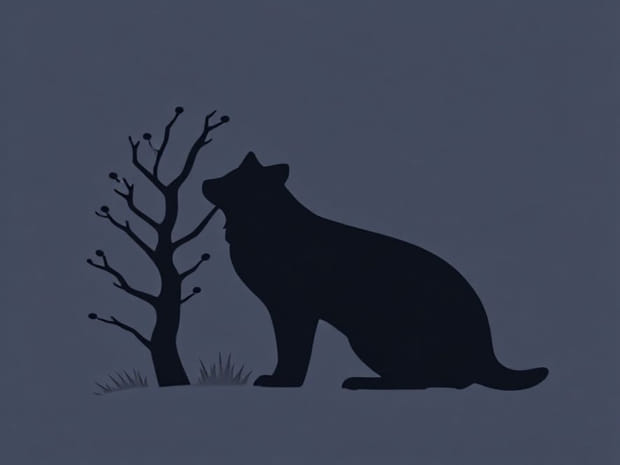
Coon Dog Treeing Silhouette
The image of a coon dog treeing silhouette captures a unique moment in hunting and wildlife observation, symbolizing the skill, instinct, and dedication of the coonhound in action. This iconic silhouette depicts a dog, usually a coonhound, standing alert at the base of a tree, often with its body tense and tail raised, signaling the presence of a raccoon or other game in the branches above. The dramatic contrast of the dog’s outline against the backdrop of the tree creates a striking visual that resonates with hunters, outdoor enthusiasts, and wildlife photographers alike. Understanding the characteristics, history, and symbolism of the coon dog treeing silhouette provides insight into both the cultural and practical significance of this imagery.
Understanding the Coon Dog
Coon dogs, also known as coonhounds, are a breed specifically trained for tracking and treeing raccoons. These dogs are renowned for their keen sense of smell, stamina, and ability to work independently while staying loyal to their handler. Several breeds fall under the coonhound category, including the Black and Tan Coonhound, Redbone Coonhound, Bluetick Coonhound, and Treeing Walker Coonhound. Each breed has unique traits, but all share a common purpose locating game and signaling its position by treeing.
Characteristics of a Coon Dog
- Sense of SmellCoonhounds have an exceptionally developed olfactory system, allowing them to detect raccoons even in dense forests or challenging terrains.
- EnduranceThese dogs can track prey over long distances for hours without losing focus.
- VocalizationKnown for their baying, coonhounds use loud, distinct calls to alert hunters of the game’s location.
- IntelligenceCoonhounds are quick learners, responding well to training while demonstrating problem-solving abilities in the field.
The Treeing Behavior
Treeing is a specific hunting behavior where the coon dog forces its prey, typically a raccoon, to climb a tree, then stands alert at the base, barking or baying to signal its location. This behavior allows hunters to track the animal effectively while keeping it contained and visible. The silhouette of a coon dog treeing is visually recognizable because of the dog’s posture, often with front paws slightly apart, ears erect, and eyes fixed upward.
Significance of Treeing
Treeing serves multiple purposes in hunting and wildlife observation
- Locating GameBy forcing raccoons to climb, hunters can locate the prey without extensive pursuit.
- SafetyTreeing keeps the animal off the ground, reducing the risk of encounters with other predators or hazards.
- Training and EvaluationObserving a coon dog’s treeing behavior helps assess its tracking skills, stamina, and responsiveness to commands.
The Coon Dog Treeing Silhouette in Art and Culture
Beyond its practical use in hunting, the coon dog treeing silhouette has become a popular motif in art, graphic design, and cultural representation. This image often appears in logos, wall art, decals, and apparel, symbolizing rural life, hunting tradition, and the bond between hunters and their dogs. Its simplicity and strong contrast make it visually appealing, emphasizing the dog’s determination and alertness.
Symbolism
- Loyalty and PartnershipThe silhouette represents the deep connection between the hunter and the coon dog, highlighting teamwork and mutual reliance.
- Instinct and SkillIt embodies the natural hunting instincts and intelligence of the coonhound.
- Rural HeritageThe imagery reflects outdoor traditions, the rhythm of hunting seasons, and appreciation for wilderness areas.
Applications in Outdoor and Hunting Communities
The coon dog treeing silhouette is widely used by hunting organizations, outdoor brands, and conservation groups. It often decorates equipment, promotional materials, and trophies, serving as a recognizable emblem of expertise and respect for the hunting craft. In addition, the silhouette can be educational, helping newcomers identify coonhound behavior and understand the principles of treeing in field studies or training sessions.
Educational Uses
- Teaching novice hunters about tracking and treeing techniques.
- Demonstrating dog posture and behavior in wildlife education programs.
- Providing visual references for coonhound training and competition evaluations.
Photographic and Artistic Techniques
Capturing or creating a coon dog treeing silhouette requires careful attention to lighting, perspective, and composition. Photographers often shoot against a bright background, such as a sunrise or open sky, to enhance the contrast and outline of the dog. In graphic art, designers focus on clean lines and simplified shapes to emphasize the posture and dynamic energy of the scene. Whether in photography, painting, or digital design, the silhouette communicates movement and tension effectively.
Tips for Capturing Silhouettes
- Shoot with a strong backlight to ensure the subject is dark against a brighter background.
- Position the dog and tree to clearly show the interaction between the tracker and the treed animal.
- Use high contrast and minimal distractions in the background to maintain focus on the silhouette.
- Experiment with angles to highlight the dog’s alert posture and elongated form.
The coon dog treeing silhouette is more than just an image; it is a symbol of skill, loyalty, and the enduring relationship between humans and dogs in the context of hunting and outdoor tradition. It captures a dynamic moment of action and concentration, illustrating both the natural instincts of the coonhound and the techniques of responsible hunting. From practical applications in field training to artistic representations and cultural symbolism, the silhouette remains a powerful visual that celebrates rural heritage, outdoor life, and the enduring bond between hunters and their canine partners. Whether appreciated for its aesthetic appeal or its instructional value, the coon dog treeing silhouette continues to resonate with enthusiasts and professionals across hunting, art, and educational communities.