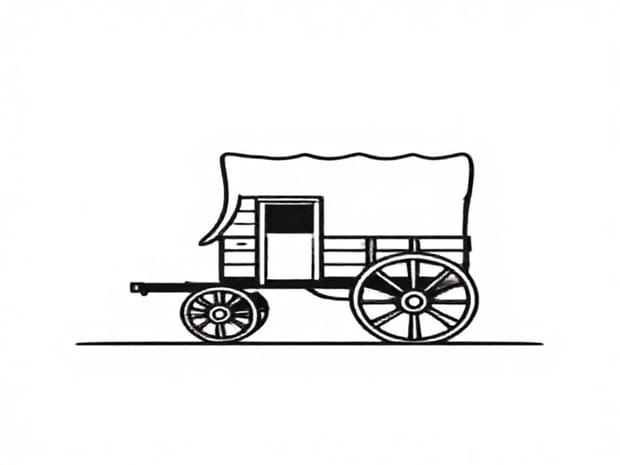
Building A Buckboard Wagon
For history enthusiasts, woodworkers, or anyone who enjoys hands-on projects, building a buckboard wagon can be a rewarding challenge. This type of wagon, once commonly used in rural areas of America, represents practicality and craftsmanship from a bygone era. Today, a buckboard wagon can serve as a functional tool for light hauling, a decorative centerpiece for a property, or even a family project that brings people together. While it may take time and attention to detail, the process of designing and constructing a buckboard wagon provides an opportunity to learn traditional woodworking and metalworking skills while preserving a piece of heritage.
What Is a Buckboard Wagon?
A buckboard wagon is a four-wheeled vehicle traditionally used for transportation in the 19th and early 20th centuries. Unlike larger covered wagons, buckboards were lighter and easier to maneuver, making them ideal for farmers, homesteaders, and small-town families. The name buckboard comes from the flexible wooden boards beneath the seat, which absorbed shocks when traveling over rough terrain. This simple but effective design made the wagon durable and practical.
Planning the Project
Before gathering tools and lumber, it is important to create a clear plan for building a buckboard wagon. Planning involves deciding on the size, materials, and intended purpose of the wagon. Some people build a scaled-down version for display or gardening, while others create full-sized wagons for reenactments or functional use. Taking time to sketch designs and gather references will make the building process smoother.
Choosing Materials
Traditionally, buckboards were made from hardwoods such as oak, hickory, or ash. These woods provide the strength needed for the frame and wheels. However, modern builders may choose alternatives like treated pine for cost-effectiveness, or laminated woods for easier shaping. Metal components such as axles, brackets, and wheel rims are also necessary, and these can either be custom-made or purchased from specialty suppliers.
Essential Tools
The tools required for this project depend on the builder’s approach. Traditional hand tools like chisels, planes, and braces can be used for authenticity, but modern power tools make the process faster. A circular saw, drill, sander, clamps, and wrenches are commonly used. Welding equipment may also be needed for constructing the axles and attaching hardware.
Building the Frame
The frame is the foundation of the buckboard wagon. It must be strong, square, and capable of supporting the weight of passengers or cargo. Builders typically start by cutting two long beams for the side rails and connecting them with cross members. Reinforcement plates or metal brackets can be added to improve durability. Once assembled, the frame should be checked for levelness before moving on to the axle installation.
Installing the Axles
The axles are critical for mobility. Traditional buckboards used wooden axles reinforced with iron, but most modern builds use steel for strength. The front axle must also allow for turning, which means constructing or installing a pivoting mechanism. Careful alignment ensures that the wheels track correctly and the wagon rolls smoothly.
Attaching the Wheels
Wheels can be one of the most challenging parts of building a buckboard wagon. Some builders craft their own wooden spoke wheels, while others purchase ready-made wheels from wagon supply companies. Each wheel must be securely mounted and aligned with the axle. Grease fittings or bearings can be added to reduce friction and extend the wagon’s lifespan.
Building the Wagon Bed
The wagon bed is where cargo or passengers are placed. A traditional buckboard has a flat, open bed with sideboards that may be fixed or removable. The floorboards should be cut to fit snugly and securely fastened to the frame. Sideboards are usually attached with brackets or bolts, allowing them to be replaced if damaged. Depending on preference, the bed can be stained, painted, or left natural for a rustic appearance.
Constructing the Seat
The seat is what distinguishes a buckboard from other wagons. It typically rests on flexible wooden slats, which absorb bumps and jolts while riding. To build the seat, a sturdy bench is constructed and attached to these slats, which are then bolted to the frame. Upholstery or padding can be added for comfort, although traditional wagons used simple wooden benches. The placement of the seat should allow clear access to the front for steering.
Adding the Steering System
The steering system connects the front axle to the wagon tongue or pole, which is used to hitch horses or other draft animals. For display wagons, a simplified version may be used, but functional wagons require careful construction. A pivoting mechanism, often made of steel plates and pins, allows the front axle to turn smoothly. The tongue must be strong enough to handle pulling forces without bending or breaking.
Final Touches
Once the main structure is complete, finishing details bring the wagon to life. These may include
- Applying stain, paint, or varnish to protect the wood.
- Adding metal trim or reinforcements for durability.
- Installing steps, footrests, or storage compartments.
- Decorating with period-appropriate hardware for historical accuracy.
Safety should always be considered during finishing. All bolts and screws should be tightened securely, and sharp edges should be smoothed.
Uses for a Buckboard Wagon Today
While buckboard wagons were once essential for everyday travel, today they serve different purposes. Many families build them as garden carts, parade floats, or decorative pieces for farms and ranches. Historical reenactments and museums often feature buckboards as part of living history exhibits. Some horse enthusiasts even build full-sized, functional wagons for riding and driving events. The versatility of a buckboard wagon makes it both practical and meaningful in modern contexts.
Tips for Success
Building a buckboard wagon can be complex, but with patience and planning, it is achievable for most skilled DIY enthusiasts. A few tips to keep in mind include
- Study historical references and diagrams before beginning.
- Work slowly and measure carefully to ensure accuracy.
- Seek out wagon parts suppliers for wheels and hardware.
- Consider enlisting help, especially when lifting or aligning heavy components.
- Don’t rush the finishing process protective coatings will help preserve your hard work.
Building a buckboard wagon is more than just a woodworking or metalworking project it is a journey into history and craftsmanship. From planning the design to assembling the frame and adding the finishing touches, each step connects modern builders to the ingenuity of past generations. Whether intended for practical use, decoration, or historical display, a homemade buckboard wagon is a unique creation that reflects both skill and dedication. With the right tools, materials, and patience, anyone can bring this classic piece of Americana back to life.