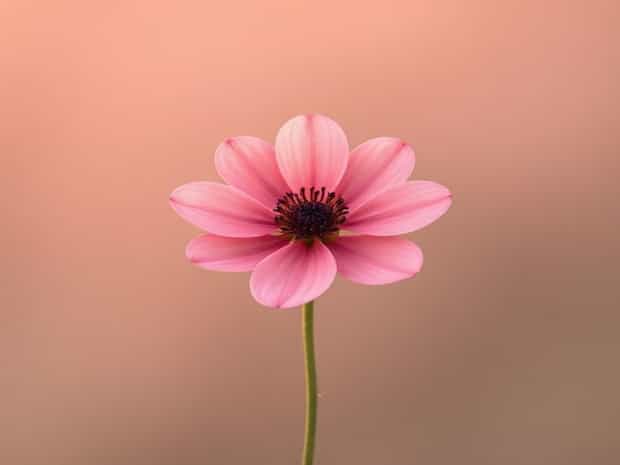
Love In A Mist Flower
Love in a Mist, scientifically known as Nigella damascena, is a delicate and enchanting flower that captivates gardeners and flower enthusiasts alike with its intricate beauty and unique structure. Characterized by its feathery, lacy foliage and strikingly colored blooms, this flower is often used in ornamental gardens, floral arrangements, and as a symbol of fascination and intrigue. Despite its seemingly fragile appearance, Love in a Mist is surprisingly resilient and easy to grow, making it a favorite among both novice and experienced gardeners. Its combination of aesthetic appeal and low-maintenance care has cemented its place in gardens worldwide.
Botanical Characteristics of Love in a Mist
Love in a Mist belongs to the Ranunculaceae family and is native to Southern Europe, but it has since become popular in gardens globally. Its scientific name, Nigella damascena, reflects its historical cultivation in Damascus, where it was prized for both ornamental and culinary purposes. The plant is an annual, meaning it completes its life cycle in one growing season, and it typically reaches a height of 12 to 24 inches. Its blooms vary in color, from soft blues and whites to deep purples and pinks, creating a versatile palette for garden design.
Foliage and Structure
- Feathery, fern-like leaves create a soft, misty appearance around the stems.
- Delicate bracts surround the flowers, adding to the intricate, lace-like aesthetic.
- The plant produces distinctive seed pods after flowering, which are often used in dried arrangements.
- Growth habit is upright and slightly bushy, making it suitable for borders and cottage gardens.
Flowers and Blooms
- Each flower is surrounded by fine, thread-like leaves, giving the impression of being enveloped in mist.
- Petal colors range from pale blue and white to pink and violet, sometimes with contrasting centers.
- Flowers attract pollinators such as bees and butterflies, enhancing garden biodiversity.
- Blooming typically occurs in late spring to early summer, offering a prolonged display of color.
Growing Love in a Mist
Growing Love in a Mist is relatively simple, which contributes to its popularity. It thrives in full sun and well-drained soil, preferring slightly alkaline conditions. Because it is an annual, gardeners often sow seeds directly into prepared garden beds in early spring, though it can also be started indoors and transplanted. With minimal care, this plant can flourish, providing both visual appeal and ecological benefits.
Planting Tips
- Sow seeds directly in the garden once the soil has warmed, typically after the last frost.
- Choose a sunny location with good air circulation to prevent fungal issues.
- Thin seedlings to allow adequate spacing, usually 6 to 12 inches apart.
- Water moderately, allowing soil to dry slightly between watering to avoid root rot.
- Mulching can help retain moisture and reduce weed competition.
Maintenance and Care
- Deadheading spent flowers encourages prolonged blooming.
- Support taller varieties with stakes if necessary to prevent lodging.
- Love in a Mist is relatively pest-resistant but may occasionally face aphid infestations.
- Fertilize sparingly, as excessive nutrients can reduce flower production.
- Collect seeds after the flower heads dry for propagation in the following season.
Uses of Love in a Mist
Love in a Mist has a range of applications, both aesthetic and practical. Its unique structure makes it ideal for garden design, floral arrangements, and even as a dried flower for decorative purposes. Beyond visual appeal, it also contributes to pollinator support and can be used in companion planting strategies.
Ornamental Gardening
- Perfect for cottage gardens, borders, and mixed flower beds.
- Soft, feathery foliage provides texture contrast with bolder plants.
- Seed pods add interest to the garden even after flowers fade.
- Pairs well with roses, foxgloves, and other traditional garden flowers.
Floral Arrangements and Dried Flowers
- Fresh flowers are used in bouquets and table arrangements.
- Dried seed pods maintain shape and color, offering long-lasting decoration.
- Blends well with other dried flowers for rustic or vintage themes.
- Petals can be pressed for craft projects and botanical displays.
Ecological Contributions
- Attracts pollinators, including bees and butterflies.
- Supports beneficial insect populations in the garden.
- Helps maintain biodiversity in home and community gardens.
Symbolism and Cultural Significance
Love in a Mist is more than just a garden plant; it carries symbolic meanings that have evolved over centuries. Often associated with love, intrigue, and delicacy, the flower embodies romanticism and the mysteries of nature. Its historical cultivation and representation in art and literature further enhance its cultural significance.
Symbolic Meanings
- Represents love and affection, particularly delicate or unspoken feelings.
- Symbolizes complexity and intrigue due to its intricate floral structure.
- Associated with protection and perseverance in some cultures, thanks to its hardy growth.
Historical Context
- Native to Southern Europe, cultivated since at least the 16th century.
- Used in traditional medicine and culinary practices in certain regions.
- Featured in Victorian gardens for its ornamental and symbolic qualities.
Love in a Mist flower, with its delicate foliage, striking blooms, and ecological value, is a remarkable addition to any garden or floral arrangement. Its ease of cultivation, extended blooming period, and low maintenance requirements make it suitable for gardeners of all experience levels. Beyond its physical beauty, the flower holds symbolic significance, representing love, mystery, and elegance. By planting and caring for Love in a Mist, gardeners not only enhance the visual appeal of their outdoor spaces but also contribute to pollinator support and biodiversity. Observing its blooms, collecting seeds, and incorporating it into arrangements allows for a deeper appreciation of its role in both the garden and cultural traditions. Ultimately, Love in a Mist embodies the harmonious blend of beauty, practicality, and meaning, making it a cherished flower for generations to enjoy.