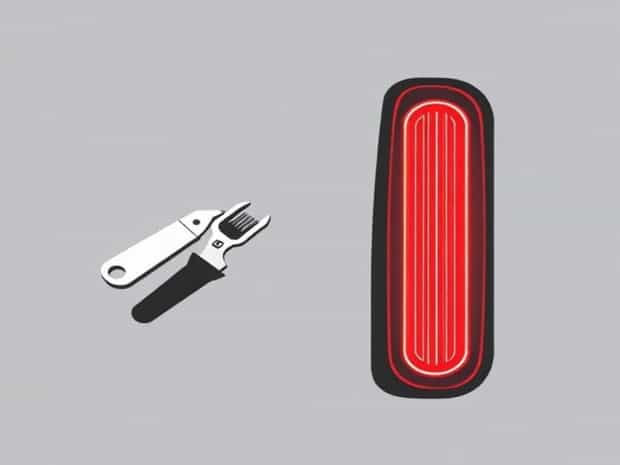
How To Fix A Tail Light
Fixing a tail light is an essential maintenance task for any vehicle owner, as tail lights play a critical role in safety and visibility on the road. A malfunctioning tail light can increase the risk of accidents, result in traffic violations, and reduce overall vehicle safety. While some issues are minor and can be fixed with simple tools, others may require a more detailed approach depending on the type of vehicle and the extent of the damage. Understanding how to fix a tail light involves identifying the problem, gathering the necessary tools, and following proper repair procedures.
Identifying the Problem
Before attempting to fix a tail light, it is important to determine the root cause of the issue. Tail lights may stop working due to several factors, including
- Burned-Out BulbThe most common cause, where the filament inside the bulb has failed.
- Blown FuseElectrical issues can cause the fuse associated with the tail light to burn out.
- Wiring ProblemsDamaged or corroded wires can disrupt the electrical flow to the tail light.
- Faulty SocketThe bulb socket may be damaged, preventing the bulb from functioning properly.
- Cracked or Broken Tail Light HousingPhysical damage can allow moisture to enter, affecting the light’s operation.
Conducting a careful inspection will help you determine whether the repair requires a simple bulb replacement, electrical troubleshooting, or a replacement of the entire tail light assembly.
Tools and Materials Needed
Having the right tools and materials is crucial for efficiently fixing a tail light. Common items required for most repairs include
- Screwdrivers (Phillips and flathead)
- Socket wrench set
- Replacement tail light bulb or assembly
- Electrical tape or connectors
- Multimeter for testing electrical connections
- Clean cloth and gloves
Ensuring that you have these tools on hand will make the repair process smoother and reduce the likelihood of damaging the vehicle during the procedure.
Steps to Fix a Tail Light
1. Turn Off the Vehicle
Before beginning any repair, turn off the vehicle and remove the keys from the ignition. This prevents electrical shocks and ensures safety while working on the tail light system.
2. Access the Tail Light Assembly
Depending on the make and model of the vehicle, the tail light assembly can usually be accessed through the trunk or by removing a rear panel. Carefully remove screws or clips holding the assembly in place, and gently pull the tail light out for inspection.
3. Inspect and Replace the Bulb
Check the bulb for visible signs of damage or burnout. If the bulb is faulty, remove it by twisting or pulling it out of the socket, then insert a new bulb of the same type. Make sure the bulb is securely seated in the socket to ensure proper function.
4. Check Fuses
If the new bulb does not work, check the fuse associated with the tail light circuit. Refer to the vehicle’s owner manual to locate the fuse box and identify the correct fuse. Replace any blown fuses with one of the same rating to restore functionality.
5. Inspect Wiring and Connections
If the bulb and fuse are in good condition, examine the wiring and connectors for damage or corrosion. Use a multimeter to test continuity and voltage. Repair or replace damaged wires and ensure all connections are tight and secure. Electrical tape or connectors can be used to reinforce repairs.
6. Test the Tail Light
Once the bulb, fuse, and wiring have been checked or replaced, turn on the vehicle and test the tail light to ensure it is functioning correctly. Engage the brake pedal, turn on the headlights, and use the turn signals to verify that all components of the tail light are operational.
7. Reassemble the Tail Light
After confirming that the tail light is working properly, carefully reattach the assembly and secure any screws or clips. Replace any panels that were removed during the process, making sure everything is aligned and firmly in place.
Preventive Tips for Tail Light Maintenance
To extend the life of tail lights and reduce the need for frequent repairs, consider the following tips
- Regularly inspect tail lights for signs of wear or damage.
- Keep the tail light lenses clean to prevent moisture buildup and corrosion.
- Replace bulbs promptly when they show signs of dimming or failure.
- Ensure proper sealing of the tail light assembly to prevent water ingress.
- Check fuses and electrical connections periodically to maintain reliable operation.
When to Seek Professional Help
While many tail light repairs are straightforward, some issues may require professional attention. If the problem involves complex electrical systems, extensive damage, or repeated failures despite replacement, it is advisable to consult a certified mechanic. Professional service ensures that repairs are performed correctly, maintains vehicle safety, and prevents further damage.
Fixing a tail light is a manageable task for most vehicle owners when following the correct steps and using the appropriate tools. By identifying the underlying issue, whether it is a burned-out bulb, blown fuse, or wiring problem, and taking the necessary repair actions, drivers can restore the functionality and safety of their tail lights. Regular maintenance and inspection can prevent future problems and ensure that tail lights continue to operate effectively, contributing to road safety for all. Understanding how to fix a tail light empowers vehicle owners to address minor issues quickly and maintain compliance with traffic regulations, ultimately extending the life of their vehicle’s lighting system.