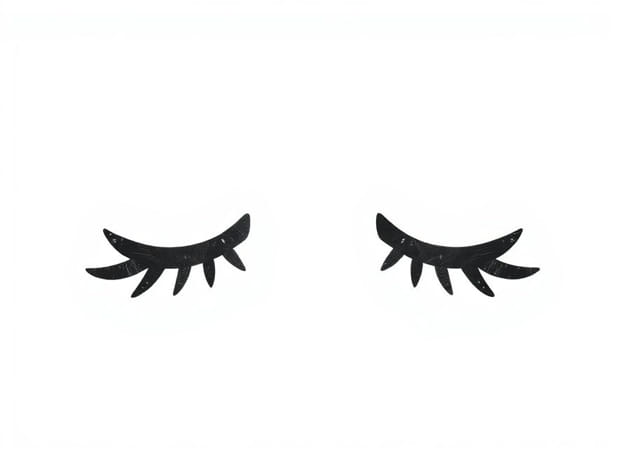
Half Lidded Eyes Drawing
Drawing half-lidded eyes can transform a simple portrait into a captivating and expressive piece of art. These eyes, often associated with mystery, subtle emotion, or a relaxed demeanor, require careful observation and technique to capture accurately. Artists who master the subtleties of half-lidded eyes can convey complex feelings such as contemplation, boredom, sensuality, or fatigue with just a few carefully placed lines and shading. This style of eye drawing has become increasingly popular among both beginner and advanced artists, particularly in character design, anime, manga, and realistic portraiture, due to its ability to add depth and personality to a face.
Understanding Half-Lidded Eyes
Half-lidded eyes are characterized by a partially closed eyelid, creating a narrow opening between the upper and lower lashes. This eye shape can express various emotions depending on the angle, curvature, and surrounding facial features. In art, understanding how light interacts with the eyelids, the eye’s iris, and eyelashes is crucial to making half-lidded eyes appear natural and expressive.
Emotional Significance
Half-lidded eyes are more than just an aesthetic choice they carry strong emotional cues. Artists often use them to convey
- Calmness or serenity, when the eyelids are gently lowered.
- Skepticism or judgment, often paired with a slight eyebrow raise.
- Fatigue or sleepiness, when the eyelids droop significantly.
- Playfulness or flirtation, commonly seen in stylized drawings like anime or manga.
By understanding these emotional cues, artists can tailor the half-lidded eyes in their drawings to suit the intended mood or personality of their character.
Basic Techniques for Drawing Half-Lidded Eyes
Successfully drawing half-lidded eyes requires a combination of proportion, line control, and shading. Here are some fundamental steps that artists often follow
1. Establish the Eye Shape
Start with a simple almond or oval shape for the eye. Half-lidded eyes are generally narrower vertically than fully open eyes. Sketch a light line to mark where the upper eyelid will rest, partially covering the iris.
2. Draw the Eyelids
The upper eyelid should curve gently over the eye, with its edge coming close to the iris without completely hiding it. The lower eyelid is usually less pronounced but should follow the natural curvature of the eye to maintain realism. Pay attention to the corners of the eyes they can tilt slightly downward or upward depending on the desired expression.
3. Add the Iris and Pupil
The position of the iris and pupil is crucial. For a relaxed or dreamy look, the iris may sit lower in the eye. A more intense or seductive gaze can be achieved by partially covering the iris with the upper eyelid. Proper alignment ensures the eyes appear symmetrical and believable.
4. Detail the Eyelashes
Eyelashes enhance the depth and expressiveness of half-lidded eyes. For a subtle look, shorter and sparser lashes work well. For dramatic or stylized effects, longer, thicker lashes can emphasize the half-lidded shape. Make sure to follow the natural curve of the eyelid when drawing them.
5. Shading and Highlights
Shading is essential to add realism and dimension. Lightly shade the upper eyelid to indicate its natural fold. Use gradients to depict the spherical shape of the eyeball, and add a small highlight on the iris to make the eyes look lively. Shadows under the eyelid can also accentuate the half-lidded effect.
Advanced Tips for Realistic Half-Lidded Eyes
Once the basics are mastered, artists can refine their drawings with more advanced techniques to create lifelike or highly stylized half-lidded eyes
Understanding Anatomy
Knowing the structure of the eyelids, muscles, and eye socket helps artists create more accurate expressions. Subtle bulges and folds around the eyes, such as the creases at the corners and under-eye bags, contribute to realism and can make half-lidded eyes appear more natural.
Using Light and Shadow
Lighting plays a critical role in emphasizing the half-lidded look. A top-down light source will cast shadows beneath the upper eyelid, intensifying the partially closed appearance. Experimenting with different lighting angles can dramatically alter the mood conveyed by the eyes.
Expression and Character Design
Half-lidded eyes are particularly useful in character design, as they allow an artist to convey personality subtly. For example
- A relaxed, confident character may have symmetrical half-lidded eyes with smooth, soft lines.
- A mischievous or cunning character may feature asymmetrical half-lidded eyes with sharper angles and slight eyebrow lifts.
- A tired or contemplative character can be depicted with heavier upper eyelids and gentle shading beneath the eyes.
Common Mistakes to Avoid
Even experienced artists can make errors when drawing half-lidded eyes. Being aware of common mistakes can improve results
- Overly exaggerated eyelid coverage, which can make the eyes look unnatural or sleepy.
- Misaligned irises, which disrupt symmetry and make the gaze appear odd.
- Ignoring subtle shadows and highlights, leading to flat or lifeless eyes.
- Overcomplicating the eyelashes, which can overwhelm the delicate shape of half-lidded eyes.
Practice Exercises for Mastery
Consistent practice helps artists develop skill and confidence. Some exercises include
- Drawing half-lidded eyes in various angles and lighting conditions to understand perspective.
- Creating multiple expressions using the same half-lidded base to explore emotional range.
- Studying real-life eyes and photographs to capture subtle nuances in eyelid movement and shading.
- Experimenting with stylized variations, especially in manga or animation styles, to develop a personal touch.
Applications in Art and Media
Half-lidded eyes are versatile and appear in many forms of visual media. In anime and manga, they are used to convey cool or aloof characters. In realistic portraiture, they can suggest introspection, wisdom, or calmness. Illustrators, concept artists, and comic creators all use half-lidded eyes to add nuance and personality, making them an essential skill for any artist looking to enhance character expression.
Digital Art Considerations
In digital drawing, half-lidded eyes can be further enhanced using layering, blending tools, and digital shading techniques. Artists can experiment with opacity, gradients, and soft brushes to mimic natural skin folds and subtle lighting effects, creating a polished, lifelike appearance.
Mastering half-lidded eyes is a valuable skill for any artist, whether working in realistic portraiture, animation, or stylized illustration. By understanding anatomy, expression, and shading, artists can convey subtle emotions and character traits effectively. Practicing various techniques, observing real-life references, and experimenting with style ensures that half-lidded eyes become a powerful tool in any artist’s repertoire. With careful attention to detail and consistent practice, drawing half-lidded eyes can elevate artwork, bringing depth, personality, and emotion to every character or portrait.