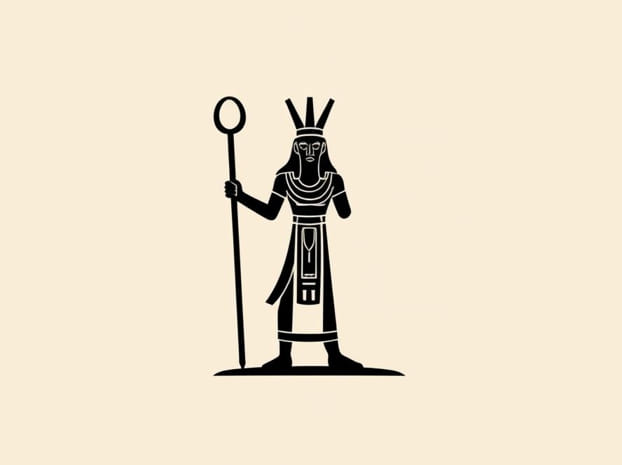
God Of The Earth In Babylonian And Assyrian Mythology
In ancient Mesopotamian traditions, both Babylonian and Assyrian mythology developed rich pantheons of gods and goddesses who controlled different aspects of the cosmos. Among these deities, the gods associated with the earth held an important place, as they symbolized stability, fertility, and the foundation of human life. Understanding the god of the earth in Babylonian and Assyrian mythology requires examining figures such as Enlil, Ninurta, and Ea, who played roles in shaping the earth, governing natural order, and protecting human survival. Their presence reflected the agricultural importance of the fertile lands between the Tigris and Euphrates, where survival depended on harmony with nature.
The Role of the Earth in Mesopotamian Beliefs
For the Babylonians and Assyrians, the earth was not just land to live on but a divine entity with sacred meaning. Their myths often connected the earth with creation stories, agricultural cycles, and divine justice. The earth was seen as a gift from the gods, but also as a place that required balance between divine powers. The role of the earth god was not isolated but interconnected with sky gods, water gods, and underworld deities, reflecting a holistic worldview in which natural elements worked together under divine command.
Enlil as the God of Earth and Air
Enlil was one of the most important deities in Mesopotamian mythology, revered as a god of both earth and air. In Babylonian and Assyrian traditions, Enlil was associated with authority, kingship, and the power to control destiny. He ruled over the earth’s structure and ensured order within the world. Enlil was often described as residing in Nippur, the spiritual center where his temple, the Ekur, was built. His role emphasized that the earth was not just a passive element but actively shaped by divine will.
Enlil’s Authority
Enlil was seen as a ruler over gods and humans. His authority extended to granting kingship and prosperity, which linked him closely to the earth as the foundation of society. Farmers depended on his favor for fertile lands, and rulers invoked his name to legitimize their power. This dual connection between the physical earth and political stability highlights why Enlil was central to Babylonian and Assyrian cosmology.
Ninurta Warrior and God of Fertility
Ninurta, the son of Enlil, was also strongly associated with the earth, particularly through agriculture and fertility. While he was often depicted as a warrior god, fighting against chaos and demons, his role also included ensuring the fertility of the soil. Farmers called upon Ninurta to bless crops, control floods, and bring balance between destructive and life-giving forces. His dual nature as both protector and cultivator made him a key earth god in Babylonian and Assyrian traditions.
The Myth of Ninurta’s Battles
In mythology, Ninurta fought against chaotic beings, such as the demon Asag, whose defeat symbolized the restoration of order to the earth. These myths illustrate how the god of the earth was not just a passive figure but an active force protecting the land from destruction. The victories of Ninurta reinforced the idea that the earth’s fertility came from divine protection against chaos.
Connection Between Ea (Enki) and the Earth
Although Ea, also known as Enki, was primarily the god of water and wisdom, his role in shaping the physical world linked him to the earth as well. In Babylonian creation myths, Ea was instrumental in organizing the cosmos, creating boundaries for land, rivers, and seas. His wisdom ensured that the earth was habitable, providing balance between the elements. In this way, Ea functioned as a supportive figure to the main earth deities, demonstrating how interconnected the pantheon was.
Earth and Agriculture in Babylonian and Assyrian Life
The prominence of earth gods reflected the heavy dependence of Mesopotamian societies on agriculture. The fertile soil between the Tigris and Euphrates was essential for crops, and the deities associated with earth symbolized the cycles of planting and harvest. Worship of earth gods included rituals to ensure rain, fertility, and protection from natural disasters. The myths reinforced the idea that divine harmony was necessary for agricultural success.
- Enlil was invoked for stability and kingship connected to the land.
- Ninurta was worshipped for fertility, crop growth, and protection from chaos.
- Ea’s wisdom ensured balance between land and water.
- Earth rituals reflected the seasonal cycles of planting and harvest.
The Earth in Creation Myths
Babylonian mythology, especially the Enuma Elish, emphasized the role of divine powers in shaping the earth. In these stories, gods divided the chaotic waters to form the heavens and earth, symbolizing order brought to the universe. The act of establishing the earth reflected the gods’ authority and the sacredness of land as a divine gift. In Assyrian retellings, these myths often highlighted the power of their kings as chosen representatives of earth gods, reinforcing the connection between divine earth power and human leadership.
Earth Deities and the Underworld
In Mesopotamian belief, the earth was not only the surface where humans lived but also the boundary to the underworld. Deities such as Nergal, god of the underworld, were associated with the deeper layers of earth. While not strictly an earth god in the agricultural sense, Nergal symbolized the darker aspect of earth death and decay. This duality showed that the earth encompassed both life-giving soil and the passage into the afterlife, making it a complex and powerful concept in mythology.
Rituals and Worship of Earth Gods
Babylonians and Assyrians honored earth gods through festivals, offerings, and prayers. Temples such as Ekur in Nippur were central places for worship. Rituals often involved food, drink, and symbolic acts that represented fertility and abundance. Kings participated in ceremonies to align their reign with the favor of earth deities, demonstrating how political and spiritual life intertwined. These rituals reinforced the belief that prosperity and stability depended on maintaining a connection with the divine earth.
Symbolism of the Earth in Daily Life
The earth was not only sacred in myths but also symbolic in daily activities. Clay tablets used for writing came from the earth, linking divine knowledge with natural resources. Bricks for building cities and temples were made of mud, symbolizing how civilization itself was rooted in the soil. By attributing these materials to divine blessings, Mesopotamians viewed their entire way of life as dependent on the favor of earth gods.
Legacy of Babylonian and Assyrian Earth Gods
The gods of the earth in Babylonian and Assyrian mythology influenced later cultures in the Near East and beyond. Enlil, Ninurta, and Ea were remembered in myths, rituals, and inscriptions long after the empires declined. Their roles as protectors of land, fertility, and balance reflected universal human concerns about survival and prosperity. Even today, the stories of these earth gods give insight into how ancient people understood their world and sought harmony with nature.
The god of the earth in Babylonian and Assyrian mythology was not represented by a single figure but rather by a group of deities primarily Enlil, Ninurta, and Ea who embodied the complex relationship between humans and the land. Their stories reflected both the challenges and blessings of living in Mesopotamia, where fertile soil could bring abundance but chaos and disaster were constant threats. By honoring these deities, people sought stability, fertility, and divine protection. The mythology surrounding the earth remains a testament to the deep connection between ancient civilizations and the land that sustained them.