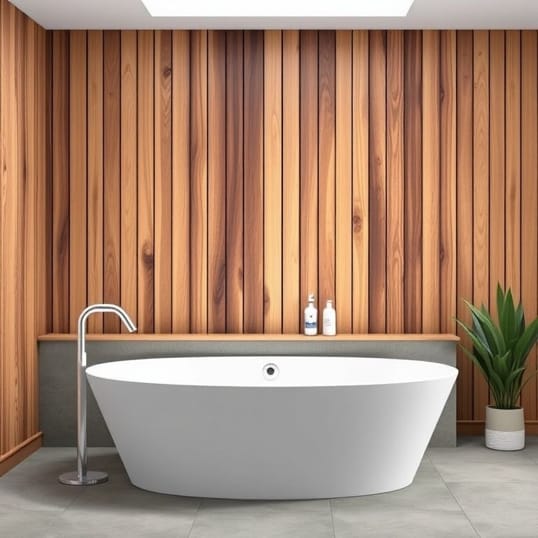
Garden Tub Vs Jetted Tub
Choosing the perfect bathtub for your bathroom can be a difficult decision, especially with the wide range of options available today. Two of the most popular choices are garden tubs and jetted tubs. Each offers unique benefits, features, and design considerations that cater to different needs and preferences. While both types of tubs provide a luxurious soaking experience, understanding their differences can help homeowners make an informed decision that balances comfort, aesthetics, and functionality. From relaxation and hydrotherapy to size and installation requirements, the choice between a garden tub and a jetted tub can significantly influence the overall bathing experience and bathroom design.
Understanding Garden Tubs
Garden tubs are designed primarily for soaking and relaxation. These tubs are typically larger and deeper than standard bathtubs, allowing for full-body immersion. The design often features a smooth, wide rim and a spacious interior, making it ideal for leisurely baths. Garden tubs are available in various shapes, including oval, rectangular, and corner styles, providing flexibility for different bathroom layouts. They are commonly made from acrylic, fiberglass, or stone resin, offering durability, easy maintenance, and a luxurious feel.
Benefits of Garden Tubs
- Ample space for full-body soaking, promoting relaxation.
- Simple design that fits well into traditional and modern bathrooms.
- Low maintenance due to fewer mechanical components.
- Provides a spa-like atmosphere without the complexity of jets.
- Often more affordable than jetted tubs.
Understanding Jetted Tubs
Jetted tubs, also known as whirlpool or hydrotherapy tubs, incorporate water or air jets that provide a massaging effect. These jets target specific areas of the body, such as the back, shoulders, and legs, to relieve tension and improve circulation. Jetted tubs are available in various sizes and configurations, including models designed for one or two people. They often feature advanced controls to adjust jet intensity, direction, and water temperature, offering a customizable bathing experience. Common materials include acrylic, fiberglass, and reinforced composites, which are chosen for durability and resistance to wear from the jets.
Benefits of Jetted Tubs
- Hydrotherapy benefits that relieve muscle tension and stress.
- Customizable jet settings for a personalized massage experience.
- Improves circulation and may aid in recovery from physical activity.
- Available in single or dual-person designs.
- Creates a spa-like experience within the home.
Comparing Garden Tubs and Jetted Tubs
While both garden tubs and jetted tubs provide luxurious soaking experiences, they serve slightly different purposes. Garden tubs focus on comfort, depth, and relaxation through soaking, while jetted tubs emphasize hydrotherapy and massage benefits. Understanding these differences can help homeowners choose a tub that aligns with their lifestyle and bathroom goals.
Relaxation vs. Therapy
Garden tubs are ideal for those who enjoy long, relaxing soaks without mechanical features. The deep and spacious design encourages full-body immersion, creating a calm and serene environment. Jetted tubs, on the other hand, combine relaxation with therapeutic benefits. The jets help relieve tension in muscles and joints, offering an experience similar to professional hydrotherapy sessions. Those seeking physical relief or enhanced wellness may prefer a jetted tub.
Space and Size Considerations
Garden tubs generally require more floor space due to their large, deep design. They are often installed in dedicated areas, such as master bathrooms, and may fit well in corner or alcove spaces. Jetted tubs also require sufficient space but often have more flexible installation options, including freestanding, corner, or drop-in configurations. Homeowners should carefully measure their bathroom and consider layout preferences when choosing between the two types.
Maintenance and Longevity
Maintenance is another factor that differentiates garden tubs from jetted tubs. Garden tubs are easier to clean since they lack mechanical components. A simple wipe-down and occasional deep cleaning are generally sufficient. Jetted tubs, however, require more maintenance due to the pump and jet system. Regular cleaning of the jets and internal plumbing is necessary to prevent buildup, mold, or bacteria. While both types of tubs are durable, jetted tubs may have a slightly higher long-term maintenance requirement due to their complex systems.
Cost Considerations
Garden tubs are typically less expensive than jetted tubs because they lack the complex mechanical systems and electronics associated with hydrotherapy features. Installation costs may also be lower, especially if no additional plumbing or electrical work is required. Jetted tubs generally have higher upfront costs, including the tub price, installation, and maintenance. However, they provide additional therapeutic benefits that may justify the investment for those seeking wellness features at home.
Material and Style Options
Both garden tubs and jetted tubs are available in various materials and finishes to suit different bathroom aesthetics. Acrylic and fiberglass are popular choices for their affordability, lightweight construction, and ease of cleaning. Stone resin and composite materials offer a more luxurious feel and improved heat retention. Style options range from classic oval and rectangular tubs to modern asymmetrical or corner designs, allowing homeowners to match their bathroom décor while maximizing comfort and functionality.
Design Integration
Garden tubs often serve as a visual centerpiece, providing a traditional and elegant focal point. Jetted tubs can also be stylish focal points but may require careful integration of plumbing and electrical elements to maintain a clean and sophisticated look. Both options offer flexibility in terms of trim, faucet placement, and surrounding tile or cabinetry design, ensuring a cohesive and appealing bathroom environment.
Choosing Between a Garden Tub and a Jetted Tub
The choice between a garden tub and a jetted tub depends on individual needs, preferences, and lifestyle. Homeowners seeking simple relaxation and a deep soaking experience may find a garden tub ideal. Those looking for added hydrotherapy benefits, muscle relief, or a spa-like experience may prefer a jetted tub. Budget, bathroom size, maintenance expectations, and long-term use should all factor into the decision-making process.
Key Considerations
- Desired bathing experience soaking vs. hydrotherapy.
- Available bathroom space and layout.
- Maintenance and cleaning requirements.
- Material and durability preferences.
- Budget and installation costs.
- Design and aesthetic compatibility with the bathroom.
Garden tubs and jetted tubs both offer luxurious bathing experiences, but they serve different purposes. Garden tubs excel in providing deep, comfortable soaking and a visually appealing focal point for the bathroom. Jetted tubs provide therapeutic benefits, with hydrotherapy jets targeting muscle tension and promoting relaxation. By carefully considering factors such as space, maintenance, cost, and desired experience, homeowners can select the tub that best suits their needs. Whether prioritizing relaxation, wellness, or aesthetic appeal, both garden tubs and jetted tubs offer a valuable addition to any home bathroom, transforming ordinary bathing routines into moments of comfort and rejuvenation.