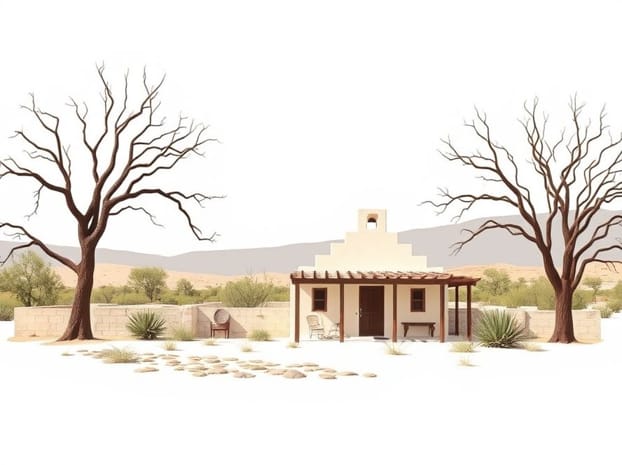
Fort Tule Homestead Riparian Area
The Fort Tule Homestead Riparian Area is a place where history, nature, and culture come together in one unique landscape. It is known for its historical homestead roots, its connection to early settlement in the American West, and its role in preserving riparian ecosystems that support both wildlife and human communities. This site represents not only a chapter of homesteading history but also a living example of how land and water interact to create a balanced environment. Exploring the Fort Tule Homestead Riparian Area offers insights into conservation, cultural heritage, and the natural beauty of riparian corridors.
Historical Background of Fort Tule Homestead
The Fort Tule Homestead began as part of the larger movement of settlers establishing roots in the West during the 19th century. Families who ventured into remote areas relied heavily on natural resources such as rivers, wetlands, and fertile soils to survive. The homestead reflects the challenges and resilience of early pioneers who built lives in often harsh and unfamiliar environments. Through farming, ranching, and small-scale irrigation, they adapted to the riparian landscape, creating a legacy that still shapes the area today.
Homestead Life and Settlement
Life at Fort Tule Homestead was defined by hard work and a close relationship with the land. Families used the riparian corridor for agriculture, livestock watering, and daily living needs. Water was a lifeline in this arid region, and settlers developed systems to harness it responsibly. The cultural remnants of those early days, such as structures, trails, and historical records, highlight the ingenuity and determination of those who called Fort Tule home.
Understanding Riparian Areas
To appreciate the significance of the Fort Tule Homestead Riparian Area, it is important to understand what riparian zones are. A riparian area refers to the interface between land and water, typically found along rivers, streams, or wetlands. These areas are critical for maintaining ecological balance, as they provide habitat, regulate water flow, and contribute to soil stability.
Ecological Importance
- Habitat for wildlifeRiparian zones offer shelter and food for birds, mammals, reptiles, amphibians, and insects.
- Water qualityVegetation along riparian corridors helps filter pollutants and sediment from runoff, improving water clarity and health.
- Erosion controlPlant roots stabilize banks, reducing soil erosion during floods or heavy rains.
- Biodiversity hotspotThe interaction between land and water creates unique microhabitats that support diverse species.
The Connection Between Homestead and Riparian Environment
The Fort Tule Homestead Riparian Area is a living example of how settlers historically depended on and shaped natural landscapes. The pioneers who lived there built homes, grew crops, and raised livestock, all while relying heavily on the riparian ecosystem. Today, the site serves as a reminder of how intertwined human survival and natural ecosystems are.
Traditional Practices and Sustainability
While early homesteaders often faced challenges with floods, droughts, and limited resources, many of their practices laid the foundation for sustainable use of riparian lands. Small-scale irrigation systems and careful management of water sources allowed them to survive without depleting natural resources entirely. This balance between use and conservation provides valuable lessons for modern land management.
Wildlife of the Fort Tule Homestead Riparian Area
The riparian area supports a wide range of wildlife that thrives in its unique environment. Visitors and researchers can observe species that depend on the mixture of water, vegetation, and open land.
- Birds such as hawks, herons, and songbirds that nest and feed along the water.
- Mammals including deer, coyotes, and small rodents that rely on riparian corridors for movement and food.
- Reptiles and amphibians that use wetlands and shaded areas for breeding and survival.
- Insects and pollinators that thrive on riparian vegetation, playing crucial roles in the ecosystem.
Conservation Efforts
Preserving the Fort Tule Homestead Riparian Area has become increasingly important as development and climate pressures threaten natural habitats. Conservation programs focus on protecting water sources, restoring native vegetation, and ensuring that wildlife continues to have access to vital resources. Local organizations, historians, and environmentalists work together to balance the protection of cultural heritage with ecological preservation.
Restoration Projects
Efforts include removing invasive plant species, replanting native trees and grasses, and stabilizing riverbanks. These projects aim to bring the riparian area back to a healthier state, ensuring that both historical and ecological values are maintained for future generations.
Educational and Cultural Significance
The Fort Tule Homestead Riparian Area is more than just a natural habitat; it is also a cultural classroom. Schools, researchers, and visitors use the site to learn about both history and ecology. Interpretive programs highlight the life of early settlers while also teaching about the role of riparian zones in supporting biodiversity.
Community Engagement
Local communities play a major role in preserving and promoting the Fort Tule Homestead Riparian Area. Events, guided tours, and volunteer programs allow people to actively participate in maintaining the site. This engagement fosters a sense of stewardship and helps ensure long-term conservation.
Challenges Facing the Riparian Area
Despite ongoing efforts, the Fort Tule Homestead Riparian Area faces challenges that threaten its future. Water scarcity, climate change, urban encroachment, and habitat degradation are some of the pressing issues. Balancing human activity with conservation remains an ongoing struggle, requiring thoughtful strategies and community cooperation.
- Climate changeAltered rainfall patterns and rising temperatures impact the availability of water in riparian zones.
- Invasive speciesNon-native plants and animals disrupt the balance of ecosystems, outcompeting native species.
- Urban developmentExpansion of infrastructure can reduce riparian land and fragment habitats.
- PollutionRunoff from agriculture and human settlements threatens water quality and wildlife health.
Future of Fort Tule Homestead Riparian Area
Looking ahead, the preservation of this area will depend on collaboration among government agencies, conservation groups, and local communities. With sustainable management and active restoration, the Fort Tule Homestead Riparian Area can continue to serve as both a historical site and a thriving ecological corridor. Its dual identity as a homestead and natural area makes it an invaluable resource for understanding the relationship between people and the environment.
The Fort Tule Homestead Riparian Area stands as a powerful reminder of how human history and natural landscapes are deeply connected. From its beginnings as a homestead to its current role as a conservation site, it reflects resilience, adaptation, and balance. The formula of survival used by early settlers relying on riparian resources while respecting their limits is just as relevant today as it was then. Protecting this unique site ensures that both cultural heritage and ecological richness endure for generations to come.