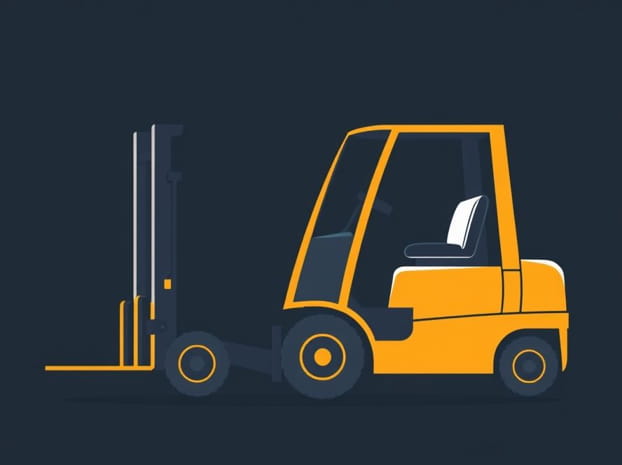
Forklifts That Utilize Cushion Tires
Forklifts are essential equipment in warehouses, manufacturing plants, and distribution centers, facilitating the movement of heavy loads with efficiency and safety. Among the various types of forklifts, those that utilize cushion tires are particularly well-suited for indoor operations on smooth surfaces. Cushion tires offer a compact design, superior maneuverability, and stability, making these forklifts ideal for navigating tight spaces and handling precise load placement. Understanding the features, benefits, applications, and maintenance requirements of forklifts with cushion tires is crucial for businesses seeking to optimize their material handling processes while ensuring operator safety and equipment longevity.
Understanding Cushion Tires
Cushion tires, also known as solid rubber tires, are made from solid rubber compounds mounted directly onto a metal rim. Unlike pneumatic tires, which are filled with air, cushion tires do not rely on inflation and therefore cannot puncture or lose pressure. This construction provides a smooth ride on indoor floors and minimizes downtime associated with tire maintenance. The solid design also allows for a lower forklift profile, which contributes to better stability and tighter turning capabilities.
Features of Cushion Tires
- Solid rubber construction for durability and puncture resistance.
- Low-profile design, lowering the forklift’s center of gravity.
- Enhanced maneuverability on smooth surfaces such as concrete and polished floors.
- Reduced maintenance requirements compared to pneumatic tires.
Advantages of Forklifts with Cushion Tires
Forklifts equipped with cushion tires offer several advantages for indoor material handling operations. Their design caters to environments where floor conditions are consistent and smooth.
Improved Maneuverability
Cushion tires provide a smaller turning radius compared to pneumatic tires, allowing forklifts to navigate narrow aisles, tight corners, and confined warehouse spaces with ease. This feature is particularly important in high-density storage facilities where every inch of floor space is valuable.
Lower Maintenance Needs
Unlike pneumatic tires, cushion tires cannot puncture or deflate. This reduces downtime and eliminates the need for regular air pressure checks, resulting in lower operational costs and fewer disruptions in daily operations.
Enhanced Stability
The solid construction and low profile of cushion tires lower the center of gravity of the forklift. This improves stability when lifting heavy loads, reducing the risk of tipping over and enhancing overall safety for operators and nearby personnel.
Cost-Effectiveness
While the initial purchase cost of cushion tire forklifts may be comparable to other types, the long-term maintenance and replacement costs are lower. Businesses benefit from longer tire life and fewer service interruptions.
Applications of Cushion Tire Forklifts
Cushion tire forklifts are best suited for specific environments and types of operations. Knowing where they excel can help businesses select the appropriate equipment for their needs.
Indoor Warehouses
Warehouses with smooth concrete or polished floors are ideal for cushion tire forklifts. They provide efficient movement of pallets, boxes, and other materials without the wear and tear associated with rough surfaces.
Manufacturing Facilities
In manufacturing plants where products and raw materials need to be moved frequently, cushion tire forklifts offer precise maneuverability and reliability. Their compact design allows operators to work in confined spaces while handling heavy machinery parts or components.
Distribution Centers
Distribution centers often have high-density storage and narrow aisles. Cushion tire forklifts can navigate these areas effectively, increasing productivity and reducing the risk of collisions or product damage.
Retail Environments
Retail storage rooms and back-of-store areas benefit from the quiet operation and smooth ride provided by cushion tire forklifts, ensuring that materials can be moved efficiently without disturbing customers or employees.
Limitations of Cushion Tire Forklifts
Despite their advantages, cushion tire forklifts are not suitable for every environment. Understanding their limitations is essential for safe and efficient operations.
- Not suitable for outdoor use on uneven or rough terrain, as the solid tires do not absorb shocks well.
- Limited traction on wet or slippery surfaces, which can affect load stability and operator control.
- May not be ideal for environments where debris or obstacles are common, as the tires lack the cushioning and flexibility of pneumatic options.
Maintenance Tips for Cushion Tire Forklifts
Although cushion tires require less maintenance than pneumatic tires, proper care is still necessary to ensure safe and efficient operation. Regular inspections and maintenance routines can prolong the lifespan of both the tires and the forklift itself.
Inspect Tires Regularly
Check for signs of wear, cracking, or damage to the tire surface. Although cushion tires are solid, extended use on abrasive floors can gradually wear down the rubber.
Maintain Forklift Alignment
Proper alignment ensures even tire wear and optimal handling. Misaligned forklifts can cause uneven tire degradation and reduce overall stability.
Clean Tires Frequently
Remove debris, dust, and chemical residues from the tires to prevent deterioration of the rubber and maintain traction on smooth surfaces.
Monitor Load Capacity
Always adhere to the manufacturer’s specified load capacity. Overloading the forklift can damage the tires and compromise safety.
Choosing the Right Cushion Tire Forklift
Selecting the appropriate forklift with cushion tires involves considering the operational environment, load requirements, and specific features needed for efficiency and safety.
- Evaluate the type of floor surfaces and ensure they are smooth and suitable for solid rubber tires.
- Determine load capacity requirements to match the forklift’s specifications.
- Consider maneuverability needs, especially in tight aisles or crowded storage areas.
- Assess additional features such as battery life, lifting height, and attachments to ensure the forklift meets operational demands.
Forklifts that utilize cushion tires are an essential choice for businesses that operate in indoor environments with smooth floors. Their compact design, enhanced maneuverability, stability, and low maintenance requirements make them ideal for warehouses, manufacturing facilities, distribution centers, and retail storage areas. While they are not suited for outdoor or rough terrain applications, cushion tire forklifts excel in precision handling and long-term cost efficiency. By understanding their features, advantages, limitations, and proper maintenance practices, businesses can make informed decisions to optimize material handling operations, improve productivity, and maintain a safe work environment.