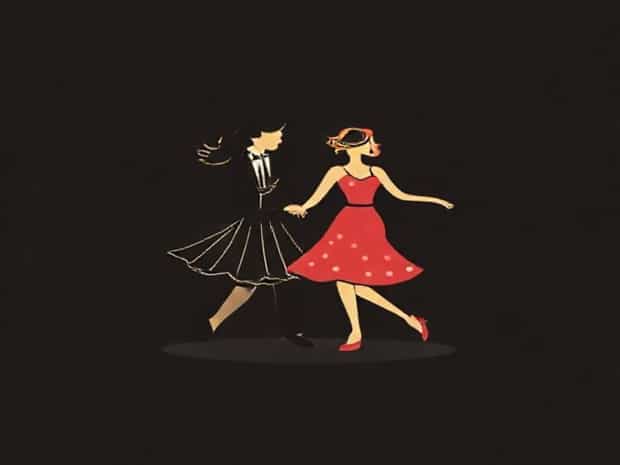
Famous Lindy Hop Dancers
The Lindy Hop is a dynamic and energetic dance style that originated in the African-American communities of Harlem, New York City, during the late 1920s and early 1930s. Known for its swing rhythms, acrobatic moves, and improvisational style, the Lindy Hop quickly gained popularity across the United States and eventually around the world. Over the years, several dancers have become famous for their skill, innovation, and contributions to the development and preservation of the Lindy Hop. Understanding the lives and achievements of these famous Lindy Hop dancers provides insight into the dance’s rich history and its enduring cultural significance.
Origins of the Lindy Hop
The Lindy Hop evolved from earlier jazz dances, including the Charleston and breakaway styles, and was performed to swing and jazz music in social dance halls. Savoy Ballroom in Harlem became a central hub where dancers showcased their skills and developed new moves. The dance was characterized by a combination of partner improvisation, aerials, and syncopated footwork. It was during this era that several legendary dancers emerged, leaving a lasting impact on the art form.
Famous Lindy Hop Dancers
Several dancers are recognized as pioneers or masters of the Lindy Hop. Their contributions helped shape the dance and inspire generations of performers and enthusiasts.
Frankie Manning
Frankie Manning is one of the most celebrated Lindy Hop dancers in history. Born in 1914, he was a key figure at the Savoy Ballroom and is credited with popularizing many iconic aerial moves, also known as air steps.” Manning was known for his creativity, smooth style, and ability to lead partners with precision and flair. Even late in life, he continued to teach and promote Lindy Hop, influencing dancers worldwide.
Norma Miller
Norma Miller, often called the “Queen of Swing,” was another legendary figure in Lindy Hop. Born in 1919, she began dancing at a young age and became famous for her athleticism, charisma, and innovative choreography. Miller performed with the Whitey’s Lindy Hoppers, one of the most influential dance groups of the swing era. Beyond performing, she dedicated her life to teaching, writing, and preserving the history of Lindy Hop.
Al Minns
Al Minns was a talented dancer known for his work in the 1930s and 1940s. He specialized in the Lindy Hop and jazz steps and was recognized for his energetic style and precise footwork. Minns performed with several renowned groups and played a key role in reviving interest in authentic Lindy Hop during the late 20th century. He collaborated with other dance pioneers to teach workshops and mentor younger dancers.
Leon James
Leon James was a dynamic dancer and an original member of Whitey’s Lindy Hoppers. Born in 1913, he gained fame for his quick footwork, acrobatic lifts, and creative improvisation. James performed in several movies and stage productions, helping introduce Lindy Hop to broader audiences. His contributions to teaching and preserving the dance have been recognized globally.
Willa Mae Ricker
Willa Mae Ricker was another key member of Whitey’s Lindy Hoppers and a pioneer of aerial Lindy Hop techniques. Known for her elegance, athleticism, and precision, she performed at the Savoy Ballroom and in films such as “Hellzapoppin’.” Ricker helped shape the female style in Lindy Hop and inspired future generations of dancers with her innovation and stage presence.
Groups and Partnerships
Many famous Lindy Hop dancers performed in groups or partnerships that elevated the dance form and increased its popularity. These collaborations contributed to the development of signature moves, routines, and performances.
Whitey’s Lindy Hoppers
Whitey’s Lindy Hoppers was one of the most famous dance groups in the swing era. Founded by Herbert “Whitey” White, the group included many legendary dancers such as Frankie Manning, Norma Miller, Leon James, and Willa Mae Ricker. They performed in competitions, films, and stage shows, showcasing both the social and theatrical potential of Lindy Hop. Their routines often included complex aerials and synchronized movements that inspired dancers for decades.
Famous Partnerships
Partnerships were crucial in Lindy Hop because the dance relies heavily on coordination and improvisation between two dancers. Some famous pairings included
- Frankie Manning and Norma Miller – Known for their energetic performances and innovative aerials.
- Al Minns and Leon James – Renowned for their precise footwork and smooth execution of complex routines.
- Willa Mae Ricker and other Whitey’s Lindy Hoppers members – Pioneered many lifts and aerial techniques that remain popular today.
Impact on Popular Culture
Famous Lindy Hop dancers significantly influenced popular culture by bringing swing dancing to movies, theater, and social events. Films like “Hellzapoppin'” and “A Day at the Races” featured Lindy Hop performances, showcasing the athleticism and excitement of the dance. These appearances helped introduce Lindy Hop to international audiences and inspired future generations of dancers and swing enthusiasts.
Revival and Modern Influence
Many of the original Lindy Hop dancers, including Frankie Manning and Norma Miller, played active roles in the swing dance revival of the late 20th century. Through workshops, teaching, and choreography, they ensured that Lindy Hop remained alive and relevant. Modern dancers continue to study their techniques, aerials, and improvisational styles, demonstrating the timeless appeal of the dance.
Learning from the Masters
Studying famous Lindy Hop dancers offers valuable lessons for aspiring dancers. Key takeaways include
- The importance of creativity and improvisation in partner dancing.
- Precision and timing in executing moves, especially aerials.
- Expression and performance quality, which make dances memorable.
- Commitment to preserving the history and authenticity of the dance form.
Famous Lindy Hop dancers such as Frankie Manning, Norma Miller, Al Minns, Leon James, and Willa Mae Ricker played crucial roles in developing and popularizing the dance. Their innovative moves, partnerships, and performances left a lasting legacy that continues to influence dancers worldwide. By studying their styles, achievements, and contributions, we can gain a deeper appreciation for the artistry, athleticism, and cultural significance of the Lindy Hop. These legendary dancers not only entertained audiences during their time but also ensured that the joy, creativity, and spirit of swing dancing continue to thrive in the modern era.