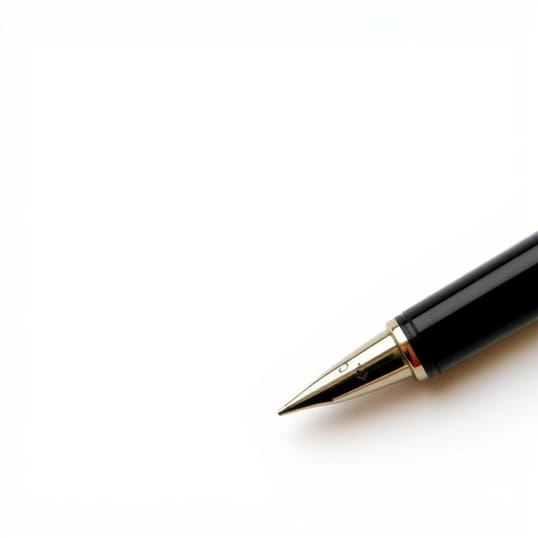
Extra Fine Nib Fountain Pen
The appeal of a fountain pen goes far beyond its ability to write; it is a statement of elegance, precision, and personal style. Among the many types of fountain pens, the extra fine nib fountain pen stands out for its ability to produce incredibly precise lines, making it ideal for detailed writing, intricate sketches, and careful note-taking. Enthusiasts and professionals alike appreciate the control and clarity that an extra fine nib provides, whether in journaling, signing important documents, or simply enjoying the tactile pleasure of writing with a high-quality instrument. Understanding the characteristics, benefits, and care of extra fine nib fountain pens can elevate anyone’s writing experience.
Understanding Extra Fine Nib Fountain Pens
An extra fine nib fountain pen features a tip that delivers a very thin line, typically ranging from 0.2mm to 0.4mm, depending on the manufacturer. This makes it distinct from fine, medium, or broad nibs, which produce thicker lines. The precise line work is especially valuable for small handwriting, annotations, and technical writing where clarity is essential. Users often choose extra fine nibs for their ability to create clean, professional-looking documents without the risk of ink smudging or bleeding through paper.
Design and Construction
The quality of an extra fine nib depends largely on the materials and craftsmanship. Most high-quality nibs are made from stainless steel, gold, or titanium. Gold nibs are prized for their flexibility and smooth flow, while stainless steel nibs are durable and more affordable. Titanium nibs offer a balance of flexibility and strength. The tip of the nib is often tipped with a small amount of iridium or other hard metals to prevent wear, ensuring longevity and consistent performance.
Advantages of Using an Extra Fine Nib
Extra fine nib fountain pens offer several distinct advantages over other nib sizes
- PrecisionThe thin lines make it easier to write neatly in small spaces or on detailed documents.
- Ink EfficiencyBecause less ink is deposited on the paper, the pen lasts longer between refills.
- ControlWriters have greater control over their strokes, which is useful for calligraphy, technical diagrams, or annotations.
- Professional AppearanceDocuments written with extra fine nibs often look more formal and clean, making them ideal for office work or legal documentation.
- VersatilitySuitable for a variety of paper types, including thinner or lower-quality paper that might bleed under broader nibs.
Choosing the Right Extra Fine Nib Fountain Pen
Selecting the perfect extra fine nib fountain pen involves considering factors such as nib material, ink type, grip comfort, and overall pen design. Some pens offer interchangeable nibs, allowing users to switch between sizes depending on the writing task. Ergonomics are also important; a well-balanced pen with a comfortable grip reduces hand fatigue during extended writing sessions. Additionally, the ink flow and feed system must be compatible with the extra fine nib to prevent skipping or inconsistent lines.
Popular Uses for Extra Fine Nibs
Extra fine nibs are favored in several writing contexts
- JournalingIdeal for individuals who prefer small, neat handwriting in diaries or personal journals.
- Professional DocumentsExtra fine nibs are perfect for signing contracts or creating formal letters with precision.
- Sketching and IllustrationArtists use extra fine nibs for detailed line work, technical drawings, and intricate designs.
- Academic UseStudents and researchers benefit from the ability to write clearly in notebooks and margins without overcrowding text.
Caring for Your Extra Fine Nib Fountain Pen
Maintaining an extra fine nib fountain pen requires careful attention to ensure consistent performance and durability. The thin tip can be more prone to clogging or damage than broader nibs, so regular cleaning is essential. Flushing the pen with clean water or using a recommended fountain pen cleaning solution helps prevent ink buildup. Using high-quality ink designed for fountain pens reduces the risk of corrosion and maintains smooth ink flow. Additionally, storing the pen properly, ideally capped and upright, protects the nib and prevents leaks.
Common Challenges and Solutions
Extra fine nib fountain pens, while precise, come with a few challenges
- Ink Flow IssuesThin nibs may skip if the ink is too thick; choosing compatible ink or adjusting flow settings can help.
- Paper SensitivityLow-quality or textured paper may scratch the nib or cause inconsistent lines; using smooth, fountain-pen-friendly paper is ideal.
- Durability ConcernsExtra fine tips are delicate; avoid pressing too hard to prevent bending or misalignment.
By understanding these challenges and following proper care techniques, users can enjoy years of precise writing with an extra fine nib fountain pen.
Enhancing Your Writing Experience
The writing experience with an extra fine nib fountain pen is unique. Unlike ballpoint or rollerball pens, fountain pens require a gentler hand and a mindful approach. This encourages more deliberate writing, which can improve handwriting and increase enjoyment. Many enthusiasts find that using an extra fine nib enhances creativity and attention to detail. The smooth flow of ink, combined with the precision of the thin line, creates a satisfying tactile feedback that is unmatched by other writing instruments.
Tips for Beginners
If you are new to using an extra fine nib fountain pen, consider these tips
- Start with quality ink and paper to prevent issues like feathering and bleeding.
- Practice consistent, light pressure to avoid damaging the nib.
- Experiment with different nibs and pens to find one that matches your writing style.
- Clean your pen regularly to maintain smooth ink flow and prevent clogging.
Extra fine nib fountain pens are more than just tools; they are instruments of precision, elegance, and personal expression. Their ability to create thin, clear lines makes them ideal for a wide range of uses, from professional documentation to artistic endeavors. By understanding the benefits, proper care, and best practices, writers and artists can fully enjoy the exceptional performance these pens provide. Choosing the right extra fine nib fountain pen, paired with quality ink and paper, can transform everyday writing into a refined and enjoyable experience. With consistent maintenance and mindful usage, an extra fine nib fountain pen can be a reliable companion for anyone seeking clarity, control, and sophistication in their writing.
In summary, investing in an extra fine nib fountain pen allows for precise, elegant, and professional writing. Its thin, controlled lines, paired with proper care and attention, can enhance both practical writing and creative projects. Whether for office use, journaling, or sketching, the extra fine nib is a valuable addition to any writer’s toolkit.