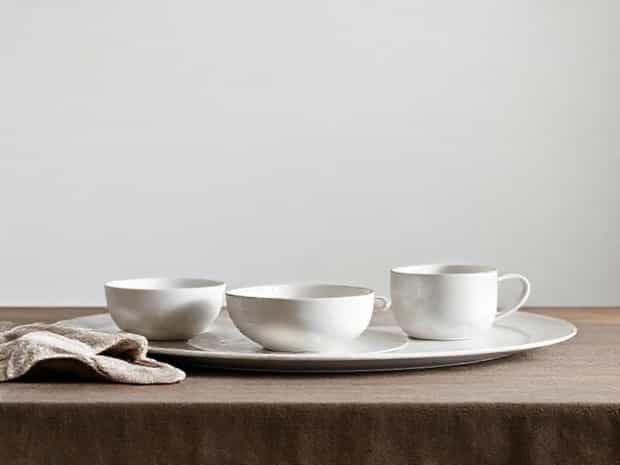
English Ironstone Tableware Value
English ironstone tableware has long been cherished by collectors, antique enthusiasts, and everyday households alike for its durability, classic design, and historical significance. This type of pottery emerged in the late 18th century, offering a robust alternative to porcelain that was both practical for daily use and elegant enough for display. Understanding the value of English ironstone tableware requires examining its history, identifying its distinguishing features, and recognizing factors that influence its market price. Collectors often seek rare patterns, manufacturers, and unique markings that can significantly affect the value of each piece.
History of English Ironstone Tableware
Ironstone pottery was first developed in Staffordshire, England, in 1813 by Charles James Mason, who patented the formula for a durable ceramic material that could withstand heavy use. Unlike porcelain, ironstone was less prone to chipping or cracking, making it ideal for households and commercial settings. The material’s name comes from its strength and the ability to produce large, solid forms that retained beauty without the fragility associated with finer ceramics.
During the 19th century, ironstone became highly popular, especially for dining sets, tea services, and decorative items. Factories across Staffordshire and other regions in England produced a wide range of patterns, colors, and shapes, catering to middle-class households seeking affordable but stylish tableware. Many pieces were exported to the United States and other parts of the world, which contributed to their widespread appeal and eventual collectibility.
Identifying Authentic Ironstone
Recognizing genuine English ironstone is key for collectors and buyers assessing value. Some distinguishing features include
- Markings and StampsMost authentic pieces have factory marks, often indicating the manufacturer, country of origin, and sometimes the year of production.
- Weight and DurabilityIronstone is heavier than standard ceramic or porcelain due to its dense composition.
- Glaze and FinishTraditional ironstone features a smooth, shiny glaze, often in white or cream, though colored and patterned designs also exist.
- Design PatternsTransferware and hand-painted motifs were common, featuring floral designs, pastoral scenes, and historical references.
Factors Affecting the Value of Ironstone Tableware
The market value of English ironstone tableware varies widely depending on several key factors. Understanding these elements can help collectors make informed decisions when buying or selling pieces.
Rarity and Pattern
Some patterns are more sought after than others. Rare motifs, limited production runs, or designs discontinued decades ago often command higher prices. Collectors may specifically look for pieces from renowned manufacturers like Mason’s Ironstone, Johnson Brothers, or Spode, whose works have historical significance and collectible appeal.
Condition
Condition plays a crucial role in determining value. Chips, cracks, discoloration, or repaired areas can significantly decrease a piece’s worth. Conversely, items in excellent condition, especially those retaining their original glaze and detailing, are typically more valuable.
Age and Historical Significance
Older pieces often hold higher value, particularly those from the early 19th century or with historical relevance. Certain items may reflect specific periods, such as Victorian or Edwardian styles, which enhances their appeal to collectors interested in historical authenticity.
Completeness of Sets
Complete sets of ironstone tableware, including dinner plates, teacups, serving dishes, and matching accessories, generally fetch higher prices than individual items. Collectors prefer coordinated sets for display and use, and the scarcity of complete sets can drive up market demand.
Popular Manufacturers and Their Influence on Value
Several English manufacturers are highly regarded for producing quality ironstone tableware. Understanding their influence on value helps collectors identify valuable pieces
- Mason’s IronstoneAs the originator of ironstone, Mason’s pieces are highly collectible. Signature marks and unique patterns often command premium prices.
- Johnson BrothersKnown for both practical and decorative designs, their ironstone patterns are popular among collectors, especially transferware sets.
- SpodeFamous for elegant designs and fine craftsmanship, Spode ironstone is often sought after for display and functional use.
- Other Notable MakersWedgwood, Ridgway, and Copeland are also respected for their contributions to ironstone production, with certain patterns becoming highly collectible.
Market Trends and Collecting Tips
The market for English ironstone tableware has remained strong among collectors and antique enthusiasts. Trends indicate a steady appreciation in value for rare, well-preserved pieces, particularly those with unique designs or historical significance. Collectors seeking to invest in ironstone should consider the following tips
- Research the manufacturer and pattern before purchasing, ensuring authenticity and historical value.
- Inspect pieces carefully for damage or repairs, as these affect resale value.
- Seek complete sets or rare individual items that can enhance a collection’s overall worth.
- Document the provenance of items, including purchase history and any notable previous owners, which can increase value.
- Stay updated on market trends and auction results to understand pricing fluctuations and demand.
Caring for Ironstone Tableware
Proper care is essential to preserve the beauty and value of English ironstone tableware. Recommendations include
- Avoiding extreme temperature changes that can cause cracking or crazing.
- Using gentle cleaning methods with mild detergents to maintain glaze integrity.
- Storing items safely with padding between pieces to prevent chipping.
- Displaying pieces in controlled environments away from direct sunlight, which can fade patterns.
English ironstone tableware represents a unique combination of durability, historical significance, and artistic beauty. Its value is influenced by factors such as rarity, condition, age, manufacturer, and completeness of sets. Collectors appreciate its timeless charm and practicality, making it a cherished addition to both antique collections and everyday dining experiences. Understanding the intricacies of identifying, evaluating, and preserving ironstone allows enthusiasts to make informed decisions, ensuring that these classic pieces continue to be admired and treasured for generations. Whether you are a seasoned collector or a new enthusiast, investing in quality English ironstone tableware offers both aesthetic enjoyment and potential financial appreciation in the long term.