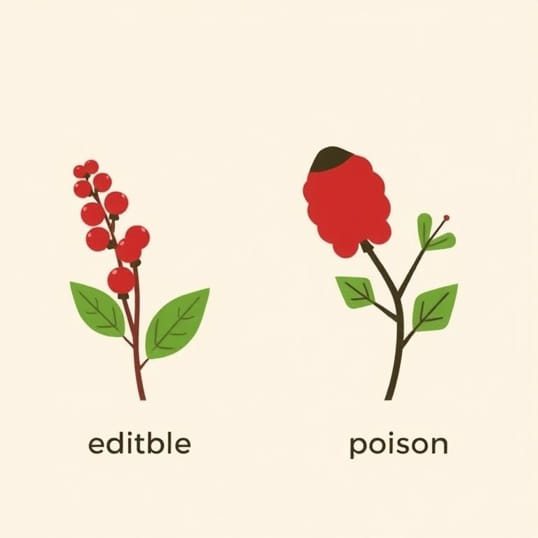
Edible Sumac Vs Poison Sumac
Sumac is a fascinating plant that has captured the attention of chefs, herbalists, and outdoor enthusiasts alike. However, not all sumac is created equal. Understanding the difference between edible sumac and poison sumac is crucial for anyone interested in foraging, cooking, or simply appreciating the natural world. While edible sumac adds a tangy, lemony flavor to dishes and is safe to consume, poison sumac contains toxic compounds that can cause severe skin irritation and other health problems. In this topic, we will explore the characteristics, uses, and safety considerations of both edible and poison sumac, providing readers with clear guidance to enjoy the benefits of sumac while avoiding its dangers.
What is Edible Sumac?
Edible sumac, scientifically known asRhus coriariaor related species, is a shrub commonly found in the Mediterranean, Middle East, and parts of North America. Its deep red berries are dried and ground into a spice widely used in cooking. The tart, citrusy flavor of edible sumac makes it a versatile ingredient in salads, marinades, rubs, and traditional dishes such as za’atar. Beyond its culinary uses, edible sumac is also valued for its antioxidant properties and potential health benefits, including anti-inflammatory effects.
Identifying Edible Sumac
- Clusters of red or dark red berries, often in dense spikes
- Leaves that are pinnate, with 9 to 13 leaflets per stem
- Branches that are typically non-toxic and smooth
- Grows in open, sunny areas, sometimes along roadsides or hillsides
- No milky sap when stems or leaves are broken
Uses of Edible Sumac
Edible sumac is a beloved spice in Middle Eastern cuisine, offering a tangy and vibrant flavor to various dishes. Its versatility allows it to enhance both savory and sweet recipes.
Culinary Applications
- Sprinkled over salads like fattoush for a zesty kick
- Mixed into marinades for meats, poultry, and fish
- Used as a rub for grilled vegetables
- Combined with olive oil and herbs in spice blends such as za’atar
- Infused into drinks or syrups for a lemony flavor
Health Benefits
Edible sumac contains antioxidants and compounds that may help reduce inflammation and support overall health. Traditionally, it has been used for digestive issues, lowering cholesterol, and even supporting cardiovascular health. However, it is always recommended to consume sumac in moderation as part of a balanced diet.
What is Poison Sumac?
Poison sumac, scientifically known asToxicodendron vernix, is a highly toxic plant native to wetlands and swampy areas in North America. Unlike its edible counterpart, poison sumac contains urushiol, a potent chemical that causes severe skin irritation, rashes, and itching upon contact. Even minimal exposure can trigger allergic reactions, making it crucial to recognize and avoid this plant.
Identifying Poison Sumac
- Greenish-white or pale yellow berries in loose clusters
- Leaves that are pinnate with 7 to 13 leaflets per stem
- Grows in wet, swampy areas, often in southeastern United States
- Branches that may exude a milky or sticky sap when broken
- Leaflets have smooth edges and can appear shiny
Health Risks of Poison Sumac
Contact with poison sumac can result in intense itching, redness, swelling, and blistering. In severe cases, exposure to large areas of skin or ingestion can lead to serious health complications, requiring medical attention. Urushiol, the active compound, can also be carried on clothing, pets, and tools, spreading the reaction even without direct contact.
Prevention and Treatment
- Learn to identify poison sumac before venturing into natural areas
- Wear protective clothing, gloves, and footwear when in wetlands
- Wash skin, clothing, and tools immediately after potential exposure
- Over-the-counter creams and antihistamines can help relieve mild reactions
- Seek medical attention for severe rashes, swelling, or respiratory issues
Key Differences Between Edible and Poison Sumac
Understanding the visual and environmental differences between edible and poison sumac is essential for safe foraging and use. The following table summarizes the key distinctions
Comparison Table
- BerriesEdible sumac red or dark red; Poison sumac greenish-white or pale yellow
- LeafletsEdible sumac smooth edges, 9-13 per stem; Poison sumac smooth and shiny, 7-13 per stem
- HabitatEdible sumac dry, sunny areas; Poison sumac wetlands, swamps
- ToxicityEdible sumac safe to consume; Poison sumac contains urushiol, highly irritating
- SapEdible sumac no milky sap; Poison sumac milky sap present
Foraging Tips for Safe Sumac Use
Foraging for edible sumac can be rewarding, but safety should always come first. Paying close attention to habitat, appearance, and local guidelines can help prevent dangerous mistakes.
Tips for Safe Foraging
- Consult local foraging guides and experts before harvesting
- Stick to dry, open areas where edible sumac grows
- Observe berry color, leaf arrangement, and sap characteristics carefully
- Harvest only mature red berries from known edible species
- Keep a reference image of poison sumac to avoid accidental contact
The difference between edible sumac and poison sumac is significant, both in terms of culinary value and safety risks. Edible sumac is a flavorful and healthful ingredient, celebrated for its tangy taste and antioxidant properties, while poison sumac is a dangerous plant that must be avoided due to its toxic urushiol content. By learning to identify these plants accurately, understanding their habitats, and following safe handling practices, anyone can enjoy the benefits of sumac safely. Whether you are a chef, forager, or nature enthusiast, distinguishing edible sumac from poison sumac ensures both enjoyable and safe experiences in the kitchen and the wild.