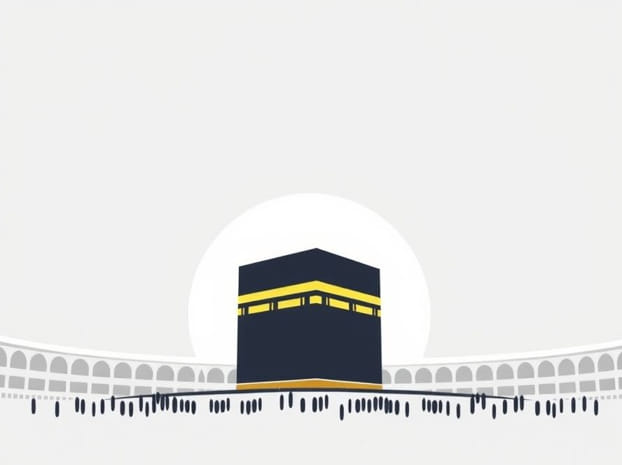
Dua In Front Of Kaaba
Performing dua, or supplication, in front of the Kaaba is considered one of the most spiritually significant acts for Muslims around the world. The Kaaba, located in the Masjid al-Haram in Mecca, Saudi Arabia, is the holiest site in Islam, and facing it during prayer symbolizes unity, devotion, and submission to Allah. Making dua in front of the Kaaba is not only a deeply personal act of worship but also a moment of connection with the divine, where believers pour out their hearts, seek guidance, and request blessings for themselves, their families, and the wider community. This act has profound spiritual, emotional, and communal significance, and understanding its importance enhances the experience of performing this sacred ritual.
Significance of Dua in Front of the Kaaba
Dua in front of the Kaaba is viewed as a special opportunity to connect with Allah. While Muslims are encouraged to pray and make dua anywhere, standing in front of the Kaaba during supplication is believed to carry added blessings due to the sanctity of the location. The Kaaba represents the qibla, the direction Muslims face during prayer, and performing dua here symbolizes alignment with God’s will and submission to His guidance. This act allows believers to express humility, gratitude, and reliance on Allah, reinforcing the spiritual discipline of worship.
Spiritual Benefits
Making dua in front of the Kaaba brings spiritual benefits that extend beyond the immediate act of prayer. It provides a sense of closeness to Allah, strengthens faith, and nurtures a feeling of peace and reassurance. Believers often experience heightened mindfulness, as the sacred environment encourages reflection, repentance, and sincere intentions. The act also reinforces the idea that all sustenance, guidance, and protection ultimately come from Allah, reminding worshippers to maintain reliance on God in every aspect of life.
Guidelines for Making Dua in Front of the Kaaba
Performing dua in front of the Kaaba is not just about location but also involves intention, concentration, and etiquette. Understanding the proper approach ensures that the supplication is meaningful and spiritually fulfilling.
Purity and Preparation
Before making dua, it is recommended to perform ablution (wudu) to achieve physical and spiritual purity. Cleanliness is considered a prerequisite for prayer and enhances the worshipper’s focus and sincerity. Proper preparation also involves clearing the mind, focusing on the intention behind the dua, and approaching the act with humility and devotion.
Facing the Kaaba
Muslims are required to face the Kaaba during dua, as it is the designated qibla. This alignment represents unity among believers worldwide and emphasizes the centrality of Allah in their worship. Standing or sitting in front of the Kaaba while facing it helps believers maintain focus and reinforces the spiritual connection to this sacred site.
Sincere Intention and Humility
The heart and intention behind the dua are crucial. Believers are encouraged to speak from the heart, express genuine needs, and approach Allah with humility and reverence. Sincerity ensures that the prayer is a true reflection of one’s devotion and trust in Allah, enhancing the spiritual significance of the act.
Recommended Types of Dua
There are many forms of dua that can be made in front of the Kaaba. While there is no strict formula, certain types of supplications are particularly meaningful in this sacred space.
Personal Requests
Believers often make dua for personal guidance, forgiveness, health, and protection. Asking for strength to overcome challenges, clarity in decision-making, and spiritual growth aligns personal needs with divine will. Personal supplications also encourage self-reflection and promote moral and spiritual development.
Prayers for Family and Community
In addition to personal needs, dua in front of the Kaaba is a time to pray for loved ones, the wider community, and humanity at large. Believers may request blessings for family members, peace in the world, and the wellbeing of the ummah, demonstrating compassion and social responsibility in their spiritual practice.
Expressions of Gratitude
Expressing gratitude to Allah is a vital component of dua. Thankfulness for life, health, guidance, and sustenance enhances spiritual awareness and fosters a positive relationship with God. Gratitude in dua also reminds believers of the importance of humility and reliance on divine providence.
Etiquette and Manners of Dua
There are several recommended manners when performing dua in front of the Kaaba. Observing proper etiquette enhances the experience and reflects respect for the sacred space.
- Maintain FocusAvoid distractions and concentrate on the words and intentions of your supplication.
- Raise HandsTraditionally, believers raise their hands while making dua, symbolizing submission and receptivity.
- Speak from the HeartUse your own words or traditional prayers, ensuring that your intention is sincere.
- Patience and HumilityApproach the Kaaba with reverence, understanding that divine wisdom governs the acceptance of prayers.
- Repeat and ReflectRepeating sincere duas and reflecting on their meaning reinforces devotion and spiritual focus.
Common Misconceptions
Some may believe that making dua in front of the Kaaba guarantees immediate fulfillment of wishes. While the location carries spiritual significance, the effectiveness of dua depends on sincerity, faith, and alignment with divine will. Allah answers prayers in the best way, according to wisdom and timing, which may not always match immediate desires. Understanding this principle encourages patience, trust, and continuous devotion, rather than reliance solely on the sacred setting.
Spiritual Growth Beyond Location
While dua in front of the Kaaba is highly meritorious, spiritual growth is not confined to physical location. Believers are encouraged to make dua regularly, maintain ethical conduct, and engage in acts of worship throughout life. The Kaaba symbolizes unity and devotion, but consistent faith, righteous actions, and moral integrity are equally important in nurturing a deep spiritual connection with Allah.
Making dua in front of the Kaaba is a profoundly spiritual act that emphasizes faith, humility, and devotion. It provides a unique opportunity for believers to connect with Allah, express their needs and gratitude, and seek blessings for themselves and others. By observing proper etiquette, maintaining sincere intentions, and aligning prayers with moral and ethical principles, worshippers can maximize the spiritual benefits of this sacred practice. While the Kaaba symbolizes unity and divine proximity, the essence of dua lies in heartfelt supplication, ongoing devotion, and trust in Allah’s wisdom. Understanding and practicing dua in front of the Kaaba enriches spiritual life, strengthens faith, and reinforces the universal principles of humility, gratitude, and ethical responsibility.