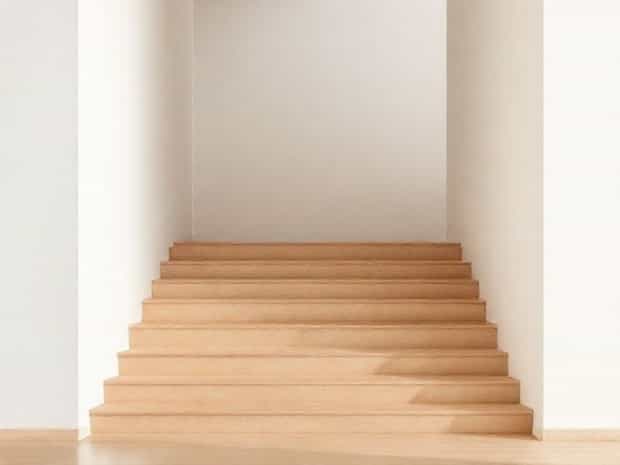
Difference Between Stairwell And Staircase
Understanding architectural terminology is essential for both professionals and enthusiasts in the fields of construction, design, and real estate. Among the commonly confused terms are stairwell” and “staircase.” While they may appear similar at first glance, these two elements serve distinct purposes within a building and have different design considerations. Clear knowledge of their definitions, functions, and structural differences can improve communication and planning in construction projects, as well as enhance safety and efficiency in building design.
Definition of Staircase
A staircase is a series of steps that connects different levels of a building. It is the physical structure that allows people to move from one floor to another. Staircases can be made from various materials including wood, metal, concrete, or a combination of these, and they often include handrails and balustrades for safety. The design of a staircase can vary widely, from straight flights to L-shaped, U-shaped, spiral, or helical configurations.
Key Features of a Staircase
- Steps (Treads and Risers)The treads are the horizontal parts of each step that are walked on, while the risers are the vertical components between treads.
- HandrailsRailings that provide support and stability for individuals using the stairs.
- BalustradesA series of posts and railings along the sides of the staircase to prevent falls.
- LandingA flat platform that breaks up long flights of stairs or connects turns in the staircase design.
- MaterialsDepending on aesthetic and structural needs, staircases can be constructed from wood, metal, glass, concrete, or stone.
Definition of Stairwell
A stairwell, on the other hand, refers to the vertical shaft or enclosure that houses one or more staircases within a building. It is essentially the space through which a staircase passes, often including walls, windows, and sometimes elevator shafts or utility conduits alongside the stairs. A stairwell serves as the architectural compartment that ensures safe and efficient vertical circulation and provides protection in case of emergencies such as fires.
Key Features of a Stairwell
- EnclosureStairwells are typically surrounded by walls that separate them from other areas of the building for safety and structural integrity.
- Lighting and VentilationMany stairwells include windows or skylights to provide natural light and ventilation, improving visibility and safety.
- Fire SafetyStairwells are often designed as fire-rated enclosures with fire doors and smoke control systems to allow safe egress during emergencies.
- Width and HeadroomBuilding codes often specify minimum width and headroom dimensions to ensure safe passage for occupants.
Functional Differences Between Staircase and Stairwell
While a staircase is a tangible structure used for walking between levels, the stairwell is the surrounding space that houses the staircase. Understanding this distinction is important for both design and safety considerations
- Movement vs. EnclosureA staircase is directly used for movement, whereas a stairwell serves as the protective enclosure around the staircase.
- Safety MeasuresStairwells are crucial for fire safety, providing a secure and ventilated escape route, while staircases focus on comfort, tread dimensions, and handrail placement.
- Architectural PlanningStaircases can be designed as standalone elements, but stairwells must be carefully planned to meet structural, fire, and accessibility codes.
- VisibilityA staircase is visible as a functional element of the building, while a stairwell may extend beyond the immediate staircase to accommodate multiple floors or adjacent systems like elevators.
Design Considerations
Designing a Staircase
When designing a staircase, architects consider factors such as the number of floors it must connect, the expected foot traffic, ergonomic dimensions, aesthetics, and material selection. Straight staircases are often simpler and cost-effective, while spiral or helical stairs save space and create a visual focal point. Proper tread and riser dimensions are critical to ensure user comfort and safety.
Designing a Stairwell
Stairwell design requires attention to structural stability, fire safety codes, ventilation, and lighting. Building codes may specify the minimum width, headroom, and fire-resistance rating for stairwells. Natural or artificial lighting is essential to reduce accidents, and ventilation prevents smoke accumulation during emergencies. Stairwells also often need to accommodate emergency signage and sometimes additional safety features like sprinklers or handrails for accessibility.
Common Confusions and Misconceptions
Many people use the terms “staircase” and “stairwell” interchangeably, but this can lead to confusion in architectural discussions or construction planning. For instance, when a building inspector refers to a “stairwell,” they mean the enclosed vertical space, not the individual steps or design of the staircase itself. Misunderstanding this distinction can affect safety compliance, spatial planning, and emergency preparedness in building projects.
Examples in Real Life
- In office buildings, a stairwell may contain multiple flights of stairs connecting several floors, often enclosed within fire-rated walls.
- Residential homes often feature a staircase leading from the ground floor to the upper floor, but the “stairwell” may simply be an open area with no separate enclosure.
- High-rise buildings use stairwells as critical evacuation routes, which must meet strict fire safety and accessibility standards, even if the staircase itself is straightforward.
In summary, while staircases and stairwells are closely related, they are distinct elements of building design. The staircase is the actual series of steps that allows people to move vertically, while the stairwell is the surrounding space or enclosure that houses the staircase. Recognizing the difference is essential for architects, engineers, safety inspectors, and even homeowners who wish to plan, build, or modify a structure. Proper understanding ensures safety, functionality, and compliance with building regulations, ultimately creating efficient and secure environments for all occupants.