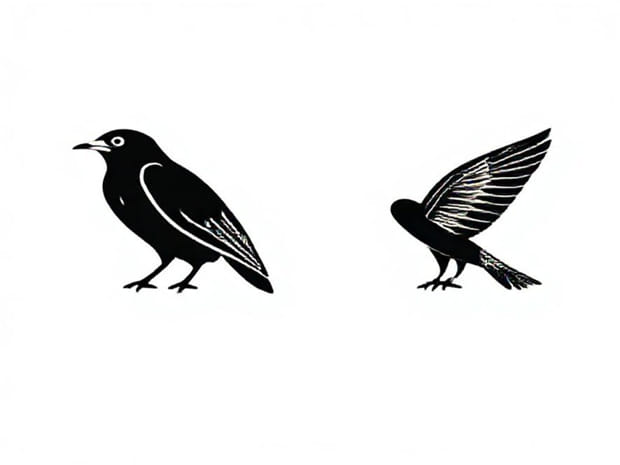
Difference Between Kestrel And Sparrowhawk
Birds of prey are fascinating creatures, admired for their agility, sharp vision, and hunting skills. Among these raptors, kestrels and sparrowhawks are two species that are often confused due to their similar size and hunting behaviors. Both are found in Europe and other parts of the world, and both are known for their remarkable predatory abilities. Understanding the differences between a kestrel and a sparrowhawk involves looking at their physical characteristics, hunting techniques, habitats, and behaviors. Knowing these distinctions can enhance birdwatching experiences, scientific studies, and general appreciation of wildlife.
Physical Differences
One of the most noticeable differences between kestrels and sparrowhawks is their physical appearance. While both are small to medium-sized birds of prey, they exhibit distinct features that make identification easier for bird enthusiasts.
Kestrel Characteristics
- Size Kestrels are relatively small, measuring around 32-39 cm in length with a wingspan of approximately 65-82 cm.
- Coloration The common kestrel often has a reddish-brown back with black spots, a grey head in males, and buff underparts with streaks.
- Tail Kestrels have a long tail with a black terminal band that is prominent in flight.
- Beak and Talons Their beak is hooked and designed for tearing small prey, while their talons are adapted for gripping insects and small mammals.
Sparrowhawk Characteristics
- Size Sparrowhawks are slightly smaller and more compact, with females larger than males. Length ranges from 29-38 cm with a wingspan of 59-82 cm.
- Coloration Adult males have blue-grey upperparts with orange-barred underparts, while females are brown above with finer streaked underparts.
- Tail Sparrowhawks have a rounded tail that helps with maneuverability through trees and dense vegetation.
- Beak and Talons Their beak is small and sharp, suited for killing small birds, and their strong talons are adapted for grasping agile prey mid-flight.
Hunting Techniques
Kestrels and sparrowhawks differ significantly in their hunting methods, which is a key factor in distinguishing the two species in the wild. Their hunting style reflects their adaptations and preferred prey types.
Kestrel Hunting Behavior
- Hovering Kestrels are known for their distinctive hovering behavior, where they remain stationary in the air while searching for prey.
- Prey Type They primarily hunt small mammals, insects, and occasionally small birds.
- Hunting Ground Kestrels often hunt in open fields, grasslands, and farmland, where their hovering technique allows them to spot prey from above.
- Technique They use sharp vision to spot movement and then dive swiftly to catch prey with their talons.
Sparrowhawk Hunting Behavior
- Stealth and Speed Sparrowhawks rely on surprise attacks, flying low through trees and dense vegetation to ambush their prey.
- Prey Type Their diet mainly consists of small birds, ranging from sparrows to pigeons, which they capture mid-flight.
- Hunting Ground They prefer woodland, gardens, and areas with dense cover, making use of their agility to maneuver quickly.
- Technique Sparrowhawks often chase prey in short bursts of speed, using their sharp talons to grasp and kill their target efficiently.
Habitat and Distribution
The natural habitats of kestrels and sparrowhawks also differ, reflecting their hunting strategies and prey preferences. Understanding these habitats is crucial for birdwatchers who wish to spot these raptors in the wild.
Kestrel Habitat
Kestrels are highly adaptable birds, often found in open landscapes, including grasslands, farmland, meadows, and even urban areas. They prefer places where they can hover over open ground to spot prey. Kestrels can nest on cliffs, trees, and man-made structures such as buildings, showing remarkable adaptability to human presence.
Sparrowhawk Habitat
Sparrowhawks, in contrast, thrive in wooded environments, gardens, and suburban areas with dense tree coverage. Their hunting strategy of ambushing prey works best in areas where they can hide and maneuver swiftly between obstacles. They usually nest in trees and are less likely to be seen in open fields compared to kestrels.
Behavioral Differences
Behavioral traits further differentiate kestrels and sparrowhawks, influencing how they interact with the environment and other species.
Kestrel Behavior
- Diurnal Activity Kestrels are primarily active during the day, particularly in early morning and late afternoon.
- Hovering As mentioned, hovering is a key behavior that allows them to scan large areas for prey.
- Migration Some kestrel populations migrate seasonally depending on food availability and climate conditions.
- Social Behavior They are often seen alone or in pairs and are less aggressive towards other birds compared to sparrowhawks.
Sparrowhawk Behavior
- Stealthy Movement Sparrowhawks are known for their sudden, rapid movements and precision in flight.
- Territoriality They are highly territorial, especially during breeding season, and may aggressively defend their hunting grounds.
- Breeding Sparrowhawks usually raise their young in woodland nests, with both parents participating in feeding the chicks.
- Migration Some populations are migratory, moving to warmer regions in winter, though many remain resident depending on local climate.
In summary, while kestrels and sparrowhawks may appear similar at first glance, their differences are evident in physical traits, hunting techniques, habitats, and behaviors. Kestrels are known for their hovering and preference for open fields, feeding primarily on small mammals and insects. Sparrowhawks are agile woodland hunters, specializing in capturing small birds with swift, stealthy attacks. By observing size, coloration, tail shape, and hunting style, birdwatchers can accurately identify these raptors in their natural environments. Understanding these differences not only enhances appreciation for wildlife but also provides valuable insight into the diversity of birds of prey and their ecological roles.