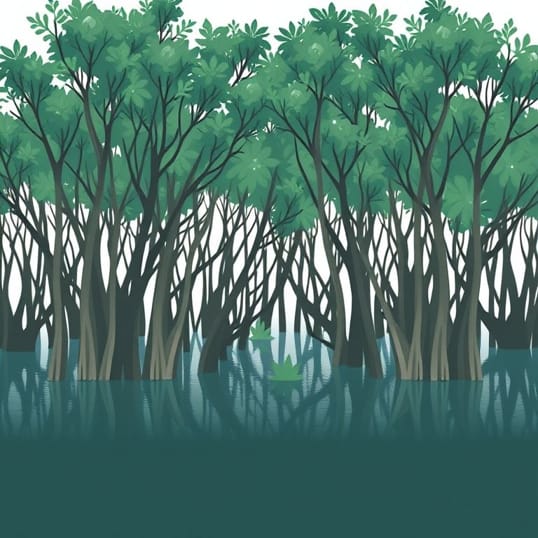
Definition Of Mangrove Swamp
Mangrove swamps are unique coastal ecosystems found in tropical and subtropical regions, characterized by dense forests of salt-tolerant trees and shrubs growing in intertidal zones. These ecosystems play a crucial role in maintaining environmental stability, protecting shorelines from erosion, and providing habitats for diverse marine and terrestrial species. Understanding the definition of a mangrove swamp involves exploring its physical characteristics, ecological functions, and significance to both human communities and the natural environment. These swamps are not only vital for biodiversity but also contribute significantly to climate regulation and coastal resilience.
Definition of Mangrove Swamp
A mangrove swamp can be defined as a coastal wetland ecosystem dominated by mangrove trees, which are salt-tolerant species adapted to grow in waterlogged, saline conditions. Mangrove swamps typically occur in estuaries, tidal rivers, and sheltered shorelines, where they form dense, interlocking networks of roots and branches. These ecosystems are unique because they exist at the interface between land and sea, allowing them to thrive in conditions that are challenging for most terrestrial plants. Mangroves have specialized root systems, such as prop roots and pneumatophores, which provide stability in soft, muddy soils and facilitate gas exchange in oxygen-poor environments.
Characteristics of Mangrove Swamps
Mangrove swamps exhibit several distinctive characteristics that differentiate them from other wetland or forest ecosystems. Understanding these features is essential for identifying and studying these critical habitats
- Salt ToleranceMangrove trees can tolerate high salinity levels through specialized mechanisms such as salt-excreting leaves or root filtration systems.
- Intertidal LocationThese swamps are located in areas regularly inundated by tidal waters, creating a dynamic environment with fluctuating water levels.
- Unique Root SystemsProp roots, stilt roots, and pneumatophores provide stability in soft sediments and allow for oxygen intake in waterlogged soils.
- Biodiversity HotspotsMangrove swamps support a wide range of species, including fish, crustaceans, birds, and mammals, serving as critical breeding and nursery grounds.
- Soil CompositionSediments in mangrove swamps are rich in organic matter, forming nutrient-rich mudflats that contribute to high productivity.
Ecological Importance of Mangrove Swamps
Mangrove swamps are highly productive ecosystems that provide numerous ecological services. Their importance extends from supporting biodiversity to mitigating the impacts of climate change
Coastal Protection
The dense network of mangrove roots stabilizes shorelines, reducing erosion caused by waves, tides, and storms. Mangrove swamps act as natural buffers, absorbing energy from storm surges and reducing the impact of coastal flooding. This protective function is especially critical in regions prone to hurricanes, typhoons, or cyclones.
Habitat and Biodiversity
Mangrove swamps provide essential habitats for a wide array of species. Fish, crabs, shrimp, and mollusks use mangrove roots as nursery areas, while birds, reptiles, and mammals find shelter and food within the canopy and mudflats. This biodiversity supports both local ecosystems and global conservation efforts, as many mangrove-associated species are endangered or commercially important.
Carbon Sequestration
Mangrove swamps are highly effective at capturing and storing carbon, making them critical in combating climate change. The dense vegetation and nutrient-rich soils sequester carbon dioxide from the atmosphere, storing it for long periods. This blue carbon potential exceeds that of many terrestrial forests, highlighting the global environmental significance of preserving mangrove ecosystems.
Human Benefits of Mangrove Swamps
Beyond their ecological functions, mangrove swamps provide numerous benefits to human populations. Communities living near these ecosystems rely on them for food, economic resources, and protection from natural disasters.
Fisheries and Food Security
Mangrove swamps support fisheries by serving as breeding and feeding grounds for various fish and shellfish species. Local communities harvest these resources for both subsistence and commercial purposes. Sustainable management of mangrove swamps is crucial for maintaining fish populations and ensuring long-term food security.
Raw Materials and Livelihoods
In many regions, mangrove trees provide wood, timber, and fuel for local communities. Traditional practices such as harvesting mangrove wood for construction or crafts contribute to livelihoods while maintaining cultural connections to the ecosystem. Ecotourism in mangrove areas also generates income while promoting environmental awareness.
Climate Regulation and Water Quality
Mangrove swamps influence local climate by moderating temperatures and humidity levels. They also filter pollutants and sediments from water, improving water quality for coastal communities and marine life. By maintaining clean water and reducing soil degradation, mangrove swamps enhance both ecosystem and human health.
Threats to Mangrove Swamps
Despite their ecological and economic importance, mangrove swamps face significant threats from human activities and environmental changes. Understanding these threats is essential for effective conservation.
Deforestation and Land Conversion
Urban expansion, agriculture, and aquaculture development lead to the clearing of mangrove forests. This deforestation reduces biodiversity, increases coastal vulnerability, and releases stored carbon into the atmosphere.
Pollution
Industrial waste, sewage, and agricultural runoff can contaminate mangrove habitats, affecting water quality and threatening species that rely on these ecosystems. Pollution also disrupts the natural nutrient cycles essential for mangrove growth.
Climate Change
Rising sea levels, increasing storm frequency, and changing temperature patterns pose risks to mangrove swamps. While these ecosystems are naturally resilient, rapid climate changes can overwhelm their adaptive capacity, leading to loss of habitat and reduced ecological functions.
Conservation Strategies for Mangrove Swamps
Protecting mangrove swamps requires coordinated efforts involving policy, community engagement, and scientific research. Effective conservation strategies include
- Establishing protected areas and reserves to prevent deforestation and habitat degradation.
- Promoting sustainable management practices for fishing, tourism, and resource use.
- Replanting and restoring degraded mangrove areas to enhance ecosystem services.
- Raising awareness among local communities about the importance of mangrove conservation.
- Integrating mangrove protection into climate change adaptation and disaster risk reduction plans.
Mangrove swamps are complex and vital coastal ecosystems that provide ecological, economic, and social benefits. Defined as coastal wetlands dominated by salt-tolerant trees and shrubs, they stabilize shorelines, support rich biodiversity, and sequester significant amounts of carbon. Home to a wide variety of marine and terrestrial species, mangrove swamps are essential for fisheries, livelihoods, and climate regulation. However, these ecosystems face threats from human activities and environmental changes, making conservation efforts critical. Understanding the definition, characteristics, and importance of mangrove swamps is the first step toward protecting these irreplaceable ecosystems for future generations.