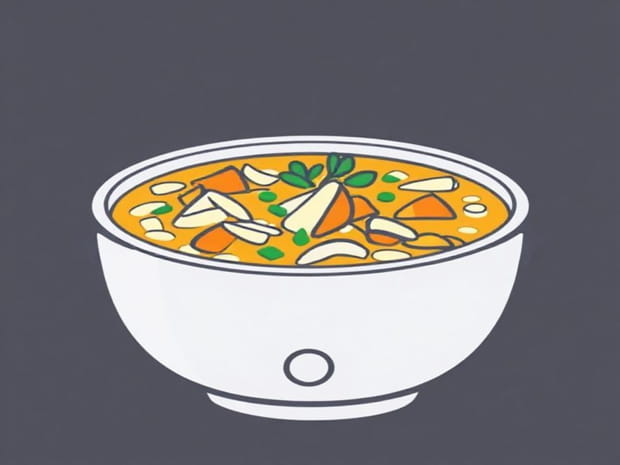
Crockpot Chicken Noodle Soup
Crockpot chicken noodle soup is a comforting and wholesome dish that has become a favorite in many households, especially during colder months or when someone needs a nourishing meal. The beauty of this recipe lies in its simplicity and convenience by using a slow cooker, you can combine fresh ingredients and let them simmer for hours, resulting in tender chicken, flavorful broth, and perfectly cooked noodles. This approach allows busy families and individuals to enjoy a homemade meal with minimal effort while still achieving a rich, comforting taste. Beyond its convenience, crockpot chicken noodle soup offers nutritional benefits, warmth, and the nostalgic feeling of a classic homemade recipe.
Ingredients for Crockpot Chicken Noodle Soup
Creating the perfect crockpot chicken noodle soup requires a balance of fresh ingredients and aromatics to develop a rich, layered flavor. Using quality ingredients ensures that each spoonful is comforting and nourishing.
- ChickenBoneless, skinless chicken breasts or thighs work well; thighs provide a richer flavor while breasts give lean protein.
- VegetablesCommon choices include carrots, celery, and onions, which add sweetness and depth.
- BrothChicken broth or stock forms the base, providing a savory and flavorful liquid.
- SeasoningsGarlic, thyme, bay leaves, salt, pepper, and parsley are typical herbs and spices to enhance flavor.
- NoodlesEgg noodles or other preferred pasta are added toward the end to maintain the proper texture.
Preparation Steps
Preparing crockpot chicken noodle soup involves layering flavors gradually and allowing slow cooking to extract maximum taste from the ingredients. This process is simple yet requires attention to timing for optimal results.
Step 1 Preparing the Ingredients
Begin by chopping vegetables into uniform pieces to ensure even cooking. Dice carrots and celery, finely chop onions, and mince garlic. Cut chicken into chunks or leave whole if you prefer shredding later. Gather herbs and seasonings, ready to add to the slow cooker.
Step 2 Layering in the Crockpot
Place the vegetables at the bottom of the crockpot, followed by the chicken on top. Pour in the chicken broth, ensuring all ingredients are submerged. Add seasonings, including thyme, bay leaves, salt, and pepper. Stir gently to combine, making sure flavors begin to meld before slow cooking.
Step 3 Slow Cooking
Set the crockpot to low heat for 6 to 8 hours or high heat for 3 to 4 hours. Slow cooking allows the chicken to become tender, vegetables to soften, and flavors to develop fully. The low, steady heat ensures a rich and comforting broth that captures the essence of a classic homemade soup.
Step 4 Adding Noodles
About 20 to 30 minutes before serving, add your chosen noodles to the crockpot. Stir gently to prevent sticking. Cooking noodles directly in the broth allows them to absorb flavor while maintaining the ideal texture. Avoid adding noodles too early, as they may become overly soft or mushy.
Optional Variations
Crockpot chicken noodle soup is versatile, and small adjustments can enhance or personalize the dish based on preferences or dietary needs.
- Vegetable AdditionsAdd green beans, peas, or spinach for extra nutrition and color.
- Spice LevelFor a bit of heat, include red pepper flakes or a dash of cayenne pepper.
- Herb VariationsFresh dill, rosemary, or sage can add unique flavors to the broth.
- Gluten-Free OptionsSubstitute traditional noodles with rice noodles or gluten-free pasta.
- Low-Sodium VersionUse low-sodium chicken broth and adjust salt at the end to taste.
Nutritional Benefits
Crockpot chicken noodle soup offers more than just comfort; it is also a nutritious meal. Chicken provides high-quality protein essential for muscle repair and immune support. Vegetables contribute vitamins, minerals, and dietary fiber, which promote digestion and overall health. The broth is hydrating and can help soothe symptoms of colds or flu. Additionally, using whole ingredients ensures minimal additives, making it a wholesome choice for families and individuals.
Boosting Immune Health
Chicken soup has been traditionally associated with cold and flu relief. The warm broth helps soothe a sore throat, while steam can assist with nasal congestion. Garlic and herbs such as thyme contain compounds that may support immune function, making crockpot chicken noodle soup a valuable addition to a healthy diet.
Serving and Storage Tips
Proper serving and storage ensure that your crockpot chicken noodle soup maintains its flavor and quality.
Serving Suggestions
- Serve hot, garnished with fresh parsley for added color and flavor.
- Pair with crusty bread or crackers for a complete meal.
- Add a squeeze of lemon juice to brighten the flavors before serving.
Storage Guidelines
Store leftovers in an airtight container in the refrigerator for up to three days. To preserve noodle texture, consider storing noodles separately and adding them when reheating. For longer storage, freeze the soup without noodles for up to two months. Reheat gently on the stovetop or in a microwave, adding noodles at the last moment to maintain the ideal consistency.
Tips for the Perfect Crockpot Chicken Noodle Soup
- Use fresh ingredients for the best flavor.
- Do not overcook noodles; add them at the end to prevent sogginess.
- Season gradually and taste before final adjustments.
- Shred the chicken if preferred for easier serving and eating.
- Include aromatics like garlic and herbs to enhance depth of flavor.
Crockpot chicken noodle soup is a comforting, nutritious, and versatile meal that can be tailored to suit a variety of tastes and dietary needs. Its slow-cooked process ensures tender chicken, flavorful broth, and perfectly cooked vegetables, creating a warming dish ideal for family meals or when feeling under the weather. The recipe’s adaptability allows for personal variations, from different herbs and vegetables to gluten-free or low-sodium options. By following simple preparation steps and mindful cooking techniques, anyone can enjoy a delicious, homemade crockpot chicken noodle soup with minimal effort. Beyond its taste and convenience, this classic dish embodies warmth, care, and nourishment, making it a timeless favorite in kitchens around the world.