Leading Aircraftman Raaf Ww2
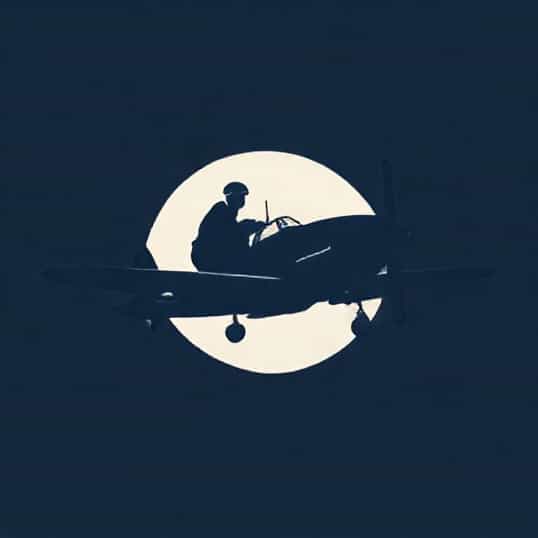
During the Second World War, the Royal Australian Air Force (RAAF) played a vital role in the defense of Australia and in broader Allied operations across the Pacific and Europe. Within its ranks, thousands of airmen served in different positions and capacities, from pilots and navigators to mechanics and ground staff. One of the lesser-known but crucial ranks was the Leading Aircraftman, often abbreviated as LAC. This rank represented the backbone of technical and support work within the RAAF, ensuring that aircraft were maintained, missions could be flown, and the operational strength of the force remained intact throughout the challenges of World War II.
The Rank of Leading Aircraftman
The Leading Aircraftman was a junior enlisted rank within the RAAF during World War II. It sat just above Aircraftman, which was the entry-level rank for most airmen. Despite being a relatively low rank in the hierarchy, the responsibilities of a Leading Aircraftman were extensive. Men who held this position were often assigned specialized technical or support roles that were essential to daily air force operations.
Position in the RAAF Structure
Within the broader structure of the Royal Australian Air Force, the Leading Aircraftman rank was equivalent to private or lance corporal positions in other branches of the military. While not a non-commissioned officer rank, it reflected a step forward from a basic recruit, often marking someone who had completed initial training and proven reliability in their assigned duties.
Insignia and Identification
During World War II, Leading Aircraftmen could be identified by their insignia, which consisted of a single two-bladed propeller worn on the uniform. This symbol reflected their aviation connection and served as a quick way to distinguish them from Aircraftmen or more senior ranks. It was a badge of progress and responsibility within the air force.
Duties and Responsibilities
The tasks of a Leading Aircraftman were wide-ranging, often depending on the specific unit, base, or theater of operations in which they were deployed. Unlike officers or senior non-commissioned ranks, LACs were directly involved in hands-on work that kept the air force running effectively.
Technical Roles
- Maintaining and repairing aircraft engines and systems.
- Assisting with refueling and rearming aircraft before missions.
- Carrying out routine checks to ensure safety and readiness.
- Supporting ground crews during emergencies or quick turnarounds.
Operational Support
- Working in communications and radio operations.
- Supporting logistics teams in managing supplies and equipment.
- Handling documentation and administrative tasks within units.
- Training newer recruits under supervision from higher ranks.
Life as a Leading Aircraftman in World War II
Serving as a Leading Aircraftman in the RAAF during World War II was demanding and often exhausting. The pace of operations left little room for rest, and the work carried immense responsibility. Every repair or technical adjustment made by a Leading Aircraftman could determine whether a plane returned safely from a mission or suffered catastrophic failure in combat.
Training and Skills
Most men who achieved the rank of LAC underwent rigorous training in technical schools or specialized courses after completing basic military instruction. These schools prepared them in fields such as mechanics, radio communications, or armament handling. The level of training reflected the increasing importance of technology in warfare during the 1940s.
Deployment Conditions
Leading Aircraftmen were deployed across different theaters of war. Some served at home in Australia, defending key airfields and maintaining planes used in training or homeland defense. Others were stationed abroad, supporting Allied operations in New Guinea, Southeast Asia, the Pacific Islands, and even in European campaigns through joint forces programs. Conditions varied widely, from relatively stable bases to forward positions exposed to enemy fire and harsh climates.
Contribution to the RAAF War Effort
The role of the Leading Aircraftman was indispensable in keeping the Royal Australian Air Force effective during World War II. Without the work of these men, aircraft could not be maintained, crews could not take off, and missions would have been impossible to sustain. Their contributions often went unnoticed compared to the pilots who flew combat missions, yet their impact was equally vital to overall success.
Support for Pilots and Aircrews
Pilots relied heavily on the expertise of Leading Aircraftmen. Before every mission, LACs ensured that the aircraft was properly fueled, armed, and checked for mechanical issues. This trust between pilots and ground crews was critical, as a single overlooked error could cost lives in combat situations.
Unsung Heroes of the Air War
While the history of World War II often focuses on the bravery of fighter aces and bomber crews, the Leading Aircraftman represents the thousands of men who worked tirelessly behind the scenes. Their dedication exemplified teamwork, persistence, and technical skill, all of which were essential in sustaining the air campaigns that shaped the outcome of the war.
Challenges Faced by Leading Aircraftmen
The role of a Leading Aircraftman was not without its difficulties. These men faced immense pressure, harsh working environments, and the constant threat of danger depending on where they were stationed.
Harsh Working Conditions
In tropical regions like Papua New Guinea, Leading Aircraftmen contended with extreme heat, humidity, and diseases such as malaria. In more forward positions, they sometimes worked under the risk of enemy bombing raids while trying to maintain aircraft on makeshift runways.
Psychological Strain
Although they were not always on the front lines of combat, the stress of knowing their work could mean the difference between life and death weighed heavily on many LACs. The long hours, lack of recognition, and continuous workload added to the mental and physical strain.
Promotion and Career Progression
For many Leading Aircraftmen, the rank was a stepping stone toward further advancement within the RAAF. With experience, skill, and good conduct, an LAC could be promoted to Corporal or higher ranks, taking on more supervisory roles and responsibilities. This pathway motivated many young men to excel in their work during the war.
Recognition and Awards
While not all Leading Aircraftmen received medals or formal recognition, their efforts were sometimes acknowledged through commendations or promotions. Those who demonstrated exceptional skill in technical work or displayed courage under difficult conditions occasionally received honors that highlighted their value to the air force.
Legacy of the Leading Aircraftman in the RAAF
The legacy of the Leading Aircraftman during World War II continues to be remembered in military history and veteran communities. These men embodied the spirit of service and technical excellence that defined the RAAF during one of its most challenging periods. Their contributions laid the foundation for the modern Australian Air Force, where technical roles remain just as important today.
Symbol of Dedication
The rank of Leading Aircraftman symbolizes the dedication of ordinary men who stepped up to extraordinary tasks. Their work reminds us that wars are not only won by those who take to the skies or lead battles but also by those who labor tirelessly behind the scenes to make victories possible.
Enduring Influence
The experiences of LACs in World War II influenced post-war aviation practices, training standards, and the professionalization of technical trades within the RAAF. Their importance is still recognized in the continuation of the rank in the modern air force, showing how enduring their legacy has become.
The Leading Aircraftman of the RAAF in World War II may not hold the same recognition as fighter pilots or commanding officers, but their role was crucial to the success of Australia’s war effort. From technical maintenance to operational support, these men carried the weight of responsibility that ensured missions could take place. Their legacy is one of dedication, resilience, and quiet heroism, reminding us that every rank, no matter how small it seems, contributes to the greater whole in times of war.