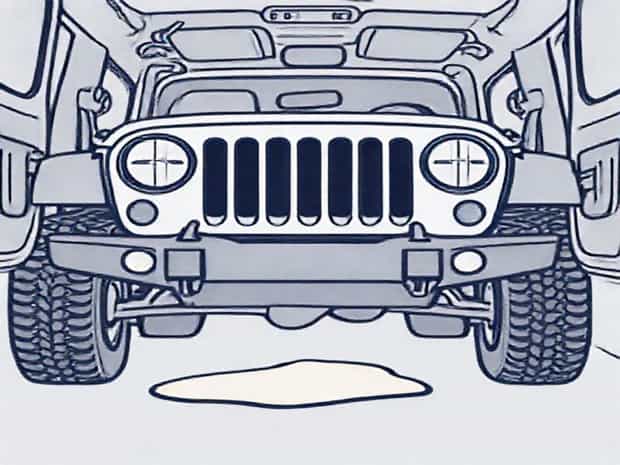
Jeep Wrangler Leaking In Floorboard
Many Jeep Wrangler owners eventually encounter the frustrating problem of water leaking into the floorboard. While Wranglers are built to handle tough off-road conditions and even some exposure to water, consistent leaks inside the cabin can lead to foul odors, mold growth, electrical problems, and rust on the vehicle’s interior. Understanding why the Jeep Wrangler is leaking in the floorboard and how to fix it is essential to keeping the SUV comfortable and reliable for everyday use as well as outdoor adventures.
Common Causes of Jeep Wrangler Floorboard Leaks
Water entering the interior of a Jeep Wrangler can come from several different sources. Pinpointing the root cause is the first step to solving the problem. Below are some of the most frequent reasons Jeep owners report leaks inside their vehicles.
1. Door and Window Seals
The rubber weatherstripping around the doors and windows is designed to keep moisture out. Over time, these seals can wear down, crack, or shift out of place. When this happens, rainwater or car wash water can easily seep into the Jeep and accumulate on the floorboard.
2. Cowl and Drain Blockages
The cowl area near the windshield collects water and channels it away through drain passages. If these drains become clogged with leaves, dirt, or debris, water may back up and leak through the firewall or ventilation system, soaking the carpets.
3. Hard Top and Soft Top Seams
Wranglers with removable tops are especially prone to leaks. The seams where the hard top or soft top meets the body can allow water to trickle inside if the seals are not properly aligned. Improper installation or worn-out gaskets are common culprits.
4. Windshield Frame Issues
Because the Wrangler’s windshield can fold down, its seals are more vulnerable than those in standard vehicles. Cracked sealant or loose weatherstripping around the windshield frame can create gaps for water to seep into the cabin.
5. Floor Drain Plugs
Wranglers are equipped with drain plugs in the floorboard to allow easy cleaning and draining after off-road use. If these plugs are missing, not sealed properly, or become damaged, water from the road can splash directly into the cabin.
How to Identify the Source of a Leak
Finding out where the water is entering the Jeep Wrangler is just as important as fixing it. Because leaks can appear in multiple areas, careful inspection is necessary.
-
Visual inspectionCheck door seals, window edges, and top seams for visible cracks or misalignment.
-
Water testUse a garden hose to spray specific sections of the vehicle while sitting inside to observe where the leak begins.
-
Check under carpetsSometimes water seeps in gradually and stays trapped under the carpet padding. Lifting the carpets can reveal hidden leaks.
-
Look for rust or stainsRust streaks or water stains often point to the entry point of the leak.
Solutions for Jeep Wrangler Leaking in Floorboard
Once the problem area has been identified, it is time to fix the issue. Fortunately, most solutions are straightforward and can be completed without major modifications.
Repairing Door and Window Seals
Worn seals can be replaced with OEM or aftermarket weatherstripping kits. Installing new rubber gaskets usually resolves leaks around doors and windows. Applying silicone sealant can also help create a stronger barrier in areas where the seal is slightly damaged.
Cleaning Cowl Drains
If water is pooling around the cowl, remove any debris from the drain channels. Using compressed air or a flexible wire can clear stubborn clogs. Keeping this area clean prevents water from overflowing into the ventilation system.
Resealing the Hard or Soft Top
Inspect the seams where the top connects to the Jeep body. If the seals are misaligned, adjust them for a tighter fit. In cases where the seals are damaged, replace them entirely. Adding weatherproofing foam or additional sealant can further reduce leaks.
Windshield Seal Replacement
If water is entering near the windshield, the sealant may need to be reapplied or the entire rubber gasket replaced. A professional windshield resealing job is sometimes the best solution for long-term prevention.
Fixing Floor Drain Plug Issues
Check that all floor drain plugs are properly seated and in good condition. Replace missing or damaged plugs with factory-approved replacements. For added protection, some owners choose to apply waterproof sealant around the plugs.
Preventing Future Leaks
Even after repairs, Jeep Wrangler owners should take steps to prevent leaks from happening again. Simple maintenance practices can save time and frustration in the long run.
-
Regularly inspect door seals and window gaskets for wear and tear.
-
Clean cowl drains and keep the windshield area free of leaves and dirt.
-
Ensure the hard or soft top is installed correctly and tightened properly after removal.
-
Check the floor drain plugs after off-road trips or deep water crossings.
-
Apply silicone spray or weatherproofing treatments to extend the life of rubber seals.
When to Seek Professional Help
While many Jeep Wrangler leaking floorboard issues can be resolved at home, some situations require professional assistance. If water damage has already affected the electrical system, if leaks continue after replacing seals, or if rust damage is severe, it may be best to have a mechanic diagnose and repair the vehicle. Professional technicians can also perform leak tests and reseal large areas more effectively than DIY methods.
Dealing with a Jeep Wrangler leaking in the floorboard can be annoying, but it is a common issue that can usually be fixed with proper inspection and maintenance. From replacing worn seals to cleaning cowl drains and checking floor plugs, most solutions are straightforward and affordable. Addressing leaks early helps prevent mold, rust, and long-term damage, ensuring the Wrangler remains ready for both everyday driving and adventurous off-road experiences.