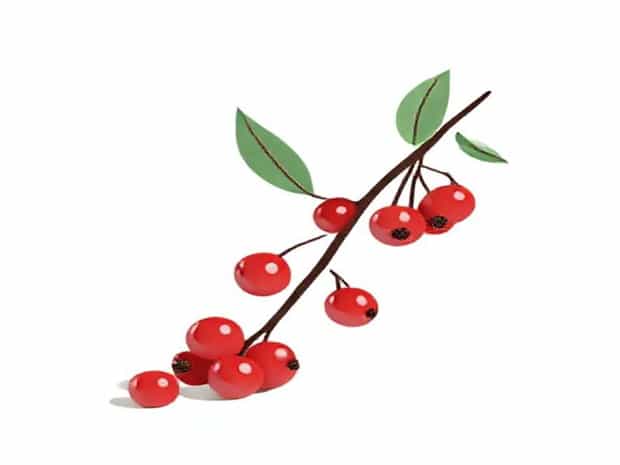
Is Yew Berries Poisonous
Yew trees are widely recognized for their dark green needles and bright red berries, often found in gardens, parks, and natural woodlands across Europe, North America, and Asia. Despite their attractive appearance, yew berries are highly toxic to humans and many animals, raising concerns about accidental ingestion, especially among children and pets. The toxicity of yew berries, along with other parts of the tree such as leaves, seeds, and bark, has been well-documented for centuries. Understanding the dangers, symptoms, and necessary precautions is essential for anyone who encounters yew trees in their environment. Awareness can prevent accidental poisoning and ensure safe enjoyment of areas where these trees grow.
What Are Yew Berries?
Yew berries are small, red, and fleshy fruits produced by trees in the genus Taxus. They are usually about a centimeter in diameter and have a cup-like structure known as an aril surrounding a single seed. While the aril, or the fleshy part of the berry, is technically less toxic than the seed, consuming the entire berry, especially the seed, can lead to severe poisoning. The bright red color of yew berries makes them visually appealing, which can mislead children and animals into thinking they are safe to eat. All parts of the yew tree, except for the aril flesh, contain toxic alkaloids called taxines, which interfere with the cardiovascular system.
The Toxic Compounds in Yew Berries
Yew berries contain taxine alkaloids, a group of potent toxins that affect the heart and nervous system. These compounds can disrupt normal heart rhythm, lower blood pressure, and, in severe cases, cause cardiac arrest. Even a small amount of yew seed ingested can be dangerous due to the concentration of these alkaloids. Symptoms of poisoning can develop rapidly after ingestion, making early recognition and intervention crucial. It is important to note that not all parts of the yew tree are equally toxic; while the red aril is less dangerous if eaten alone, swallowing the seed inside significantly increases the risk of poisoning.
Symptoms of Yew Berry Poisoning
Symptoms of yew berry poisoning can vary depending on the amount ingested and the individual’s sensitivity. Common signs include
- Nausea and vomiting
- Abdominal pain and diarrhea
- Dizziness and weakness
- Slow or irregular heartbeat
- Difficulty breathing in severe cases
- Seizures and cardiac arrest in extreme cases
Because symptoms can appear quickly, it is vital to seek immediate medical attention if ingestion is suspected. Prompt treatment can save lives and prevent long-term health complications. In animals, similar symptoms occur, and veterinary care is critical for pets that may consume yew berries or leaves.
Who is at Risk?
Children, pets, and livestock are particularly at risk for yew berry poisoning. Children may be attracted to the bright red berries, while dogs, cats, horses, and other animals may eat the foliage or fruit out of curiosity. Horses are especially sensitive to yew toxicity, and ingestion of even a small amount of leaves can be fatal. Gardeners and homeowners should be cautious when planting yew trees in areas accessible to vulnerable populations, and education on the dangers of these plants can prevent accidental poisoning incidents.
First Aid and Treatment
If someone ingests yew berries, immediate action is necessary. Steps include
- Call emergency services or poison control immediately to report the ingestion.
- If the person is conscious and alert, rinse the mouth thoroughly with water.
- Do not induce vomiting unless directed by medical professionals.
- Keep the person calm and under observation until medical help arrives.
- Medical treatment may include activated charcoal to reduce absorption of toxins, monitoring of heart function, and supportive care in a hospital setting.
For pets and livestock, veterinary intervention is critical. Early treatment improves the chances of survival and minimizes complications.
Preventing Yew Berry Poisoning
Preventing exposure to yew berries is the most effective strategy for safety. Important precautions include
- Educating children and family members about the dangers of yew berries and other parts of the tree.
- Planting yew trees away from areas frequently accessed by children, pets, and livestock.
- Pruning or removing yew trees in high-risk areas.
- Supervising pets and livestock in areas where yew trees grow.
- Teaching identification skills so that bright red berries are recognized as potentially dangerous.
Ecological Role of Yew Berries
Despite their toxicity to humans and some animals, yew berries play a role in ecosystems. Certain bird species, such as thrushes and waxwings, can consume the berries without harm because they pass the seeds through their digestive systems, aiding in seed dispersal. The trees themselves provide shelter and nesting sites for birds and small mammals. This demonstrates that while yew berries are dangerous to humans, they contribute to the ecological balance and support wildlife in their natural habitats.
Yew Trees and Traditional Uses
Historically, yew trees have been valued for their wood, medicinal properties, and cultural significance. The wood is dense and durable, often used for crafting bows, furniture, and decorative items. In traditional medicine, parts of the yew tree have been studied for compounds with potential anti-cancer properties, particularly taxanes extracted from the bark. However, due to the high toxicity, these compounds are used under strict medical supervision. Awareness of the toxic nature of yew berries ensures that while the tree may have beneficial applications, safety precautions remain essential.
Yew berries are indeed poisonous and pose serious health risks to humans and many animals. Their bright red appearance can be misleading, making awareness and education critical for preventing accidental ingestion. Symptoms of poisoning can range from mild gastrointestinal discomfort to life-threatening cardiac complications, emphasizing the need for immediate medical intervention. While certain wildlife species can safely consume yew berries, humans and pets must exercise caution. Understanding the dangers, implementing preventive measures, and recognizing symptoms are key to safely coexisting with yew trees in gardens, parks, and natural areas.
Key Takeaways
- Yew berries contain toxic compounds called taxines, which can cause serious poisoning in humans and animals.
- All parts of the yew tree, except the fleshy aril of the berry, are highly toxic if ingested.
- Symptoms of poisoning include nausea, vomiting, dizziness, slow heartbeat, and in severe cases, cardiac arrest.
- Immediate medical or veterinary attention is crucial if ingestion occurs.
- Preventive measures include education, careful planting, and supervision of children, pets, and livestock near yew trees.
- Despite their toxicity to humans, yew berries play an ecological role in seed dispersal for certain bird species.
By understanding the risks associated with yew berries and taking proper precautions, people can appreciate the beauty and ecological role of yew trees while avoiding potential dangers.