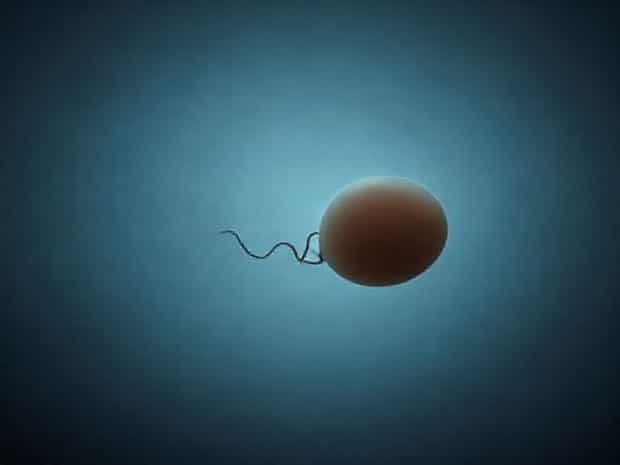
Is A Zygote A Fertilized Egg
The question of whether a zygote is a fertilized egg is fundamental in understanding human development and reproductive biology. A zygote represents the earliest stage of life, formed immediately after the fusion of a sperm cell and an egg cell. This single-celled organism carries genetic material from both parents, marking the beginning of a unique individual’s development. Understanding what a zygote is, how it forms, and its distinction from other stages of reproduction provides essential insight into biology, medicine, and reproductive health.
Definition of a Zygote
A zygote is the initial cell formed when a sperm cell fertilizes an egg cell, also known as an ovum. This process, called fertilization, combines the genetic material of the two gametes to create a single cell with a full set of chromosomes half from the mother and half from the father. The zygote is diploid, meaning it contains two sets of chromosomes, unlike the haploid gametes, which each carry a single set. It represents the very first stage of embryonic development, setting the foundation for all future cellular divisions and growth.
Formation of a Zygote
The formation of a zygote occurs in several key steps. First, a sperm cell penetrates the outer layer of the egg, fusing with it. This triggers a series of biochemical reactions that prevent additional sperm from entering, ensuring that only one set of paternal DNA merges with the maternal DNA. Once the nuclei of the sperm and egg unite, a zygote is created. This single cell immediately begins the process of cell division, eventually forming a multicellular embryo. The zygote’s formation is a critical moment in reproduction because it signifies the creation of a genetically unique organism.
Is a Zygote a Fertilized Egg?
Yes, a zygote is essentially a fertilized egg. The term fertilized egg describes the egg cell after it has been penetrated by a sperm and has undergone nuclear fusion to become a single, diploid cell. While fertilized egg emphasizes the process that has occurred, zygote refers specifically to the resulting cell. Both terms are often used interchangeably in biology, though zygote is more precise in describing the immediate post-fertilization cell that will begin the journey of embryonic development.
Genetic Composition of a Zygote
One defining characteristic of a zygote is its genetic composition. The combination of maternal and paternal chromosomes ensures that the zygote has a complete set of DNA, which will guide all subsequent cell divisions, differentiation, and growth. This genetic blueprint determines the individual’s traits, such as eye color, blood type, and predisposition to certain health conditions. The zygote’s DNA is unique, different from both parents, and serves as the foundation for a new life.
Early Development of a Zygote
After fertilization, the zygote does not remain a single cell for long. It undergoes a series of rapid divisions called cleavage, producing smaller cells known as blastomeres. These divisions continue as the zygote travels down the fallopian tube toward the uterus. Eventually, it forms a morula, a compact cluster of cells, and then a blastocyst, which will implant into the uterine wall to continue embryonic development. Each stage is critical for ensuring proper growth, differentiation, and establishment of a viable pregnancy.
Cleavage and Cell Division
During the cleavage process, the zygote divides without increasing in overall size. This creates a multicellular structure while maintaining the same cytoplasmic volume. The resulting blastomeres are totipotent, meaning each has the potential to develop into a complete organism if separated. Cleavage ensures that the zygote transitions efficiently from a single cell to a structured, multicellular embryo capable of further specialization.
Transition to Blastocyst
By the fifth or sixth day after fertilization, the zygote develops into a blastocyst, a hollow structure with a fluid-filled cavity and a cluster of cells known as the inner cell mass. The blastocyst will eventually implant into the uterine lining, where it begins the next stage of development. This transition from zygote to blastocyst highlights the dynamic and rapid changes that occur in early human development, illustrating the zygote’s role as the starting point of life.
Scientific Importance of Understanding the Zygote
Understanding what a zygote is has profound implications in reproductive medicine, genetics, and developmental biology. Scientists study zygotes to learn about early embryonic development, genetic inheritance, and potential congenital disorders. In assisted reproductive technologies, such as in vitro fertilization, identifying and cultivating healthy zygotes is essential for successful pregnancies. Knowledge of zygote formation and early division also informs research in stem cell biology, regenerative medicine, and genetic therapies.
Applications in Assisted Reproduction
In vitro fertilization involves the creation of zygotes outside the human body. Healthy eggs are collected and fertilized with sperm in a laboratory setting. The resulting zygotes are monitored for quality and development before being implanted into the uterus. Understanding the zygote’s characteristics, such as cell division rate and genetic stability, is crucial for optimizing the chances of successful implantation and healthy embryonic development.
Genetic Research and Screening
Zygotes also provide opportunities for genetic research and preimplantation genetic diagnosis. Scientists can examine zygotes for chromosomal abnormalities or genetic mutations, allowing for informed decisions in reproductive planning. Studying zygotes enables researchers to explore how genes are expressed from the very earliest stages of life, shedding light on development, heredity, and disease mechanisms.
a zygote is indeed a fertilized egg, representing the earliest stage of human development following the fusion of sperm and egg. It contains a complete set of genetic material from both parents, establishing the blueprint for a unique individual. From the moment of fertilization, the zygote begins a rapid and complex journey through cleavage, morula formation, and blastocyst development, ultimately leading to implantation and embryogenesis. Understanding the zygote’s formation, genetic composition, and early development is essential in biology, medicine, and reproductive health. Its study provides valuable insights into human life, offering critical knowledge for assisted reproduction, genetic research, and developmental science. Recognizing a zygote as a fertilized egg allows scientists, medical professionals, and students to appreciate the foundational moment when a new life begins, bridging the gap between cellular biology and the broader understanding of human development.