Is A Skua A Gull
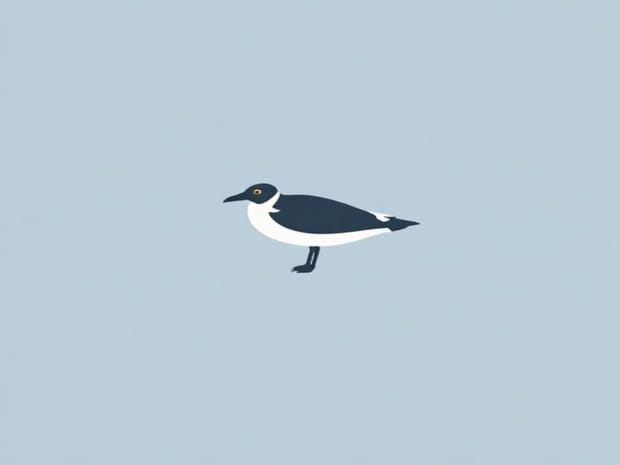
Many people observing seabirds often wonder about the differences and similarities between skuas and gulls. At first glance, these birds might appear similar due to their shared coastal habitats and some overlapping physical traits. However, a closer look at their anatomy, behavior, and ecological roles reveals that skuas are not true gulls. Understanding whether a skua is a gull involves examining scientific classifications, feeding habits, migratory patterns, and physical characteristics, which together clarify the distinctions between these fascinating seabirds.
Taxonomic Classification
From a scientific perspective, classification is crucial in distinguishing skuas from gulls. Skuas belong to the family Stercorariidae, while gulls are members of the family Laridae. Both families are part of the order Charadriiformes, which includes shorebirds and seabirds. Despite being in the same order, skuas and gulls are different at the family level, which means they have distinct evolutionary histories, genetic makeups, and biological traits. Recognizing this classification is essential to understanding why a skua is not a gull.
Physical Characteristics
Although skuas and gulls may appear superficially similar, their physical characteristics reveal significant differences. Skuas are generally more robust and powerful birds, often with darker plumage, particularly in the southern hemisphere species. Their wings are pointed, and their bodies are more streamlined, adaptations that help them in long-distance flight and aggressive hunting. In contrast, gulls tend to have lighter coloration with more white and gray feathers, rounded wings, and less muscular builds, suited for scavenging and opportunistic feeding along coasts and inland areas.
Behavioral Differences
Behaviorally, skuas and gulls show striking contrasts. Skuas are notorious for their aggressive predatory tactics, including kleptoparasitism, which is the stealing of food from other birds. They hunt other seabirds, chase penguins, and even attack human activities near nesting sites in extreme cases. Gulls, while opportunistic feeders, primarily scavenge and forage for fish, invertebrates, and human waste. Their behavior is less aggressive and more adaptable to a variety of environments, including urban areas.
Nesting and Reproduction
The reproductive strategies of skuas and gulls also differ. Skuas typically nest in isolated regions, often in tundra or subantarctic islands, laying a small number of eggs, usually two, and investing heavily in parental care. Gulls, on the other hand, tend to nest in colonies, often on cliffs or flat ground near water, and can lay several eggs, demonstrating a more opportunistic reproductive approach. These differences in nesting and breeding reflect their evolutionary adaptations to distinct ecological niches.
Feeding Habits and Diet
Diet is another key factor distinguishing skuas from gulls. Skuas are primarily carnivorous, feeding on fish, other seabirds, and their eggs. Their hunting strategy is aggressive and requires skillful aerial maneuvers. Gulls, in contrast, have omnivorous diets, feeding on a wide variety of food sources, including insects, small fish, crustaceans, and human refuse. This dietary flexibility allows gulls to thrive in diverse environments, while skuas remain specialized hunters, particularly in polar and subpolar regions.
Migratory Patterns
Migration patterns further differentiate skuas and gulls. Many skua species undertake long-distance migrations, traveling between polar breeding grounds and temperate or tropical oceans during the non-breeding season. These migrations demonstrate their adaptations to specific ecological conditions and their endurance as strong flyers. Gulls also migrate, but their movements are often shorter, sometimes confined to local or regional shifts depending on food availability and climate. Understanding these migratory behaviors helps clarify the ecological roles and evolutionary strategies of skuas versus gulls.
Skua Subspecies and Regional Variations
Skuas encompass several species, including the great skua, South Polar skua, and the pomarine skua, each with unique features. The great skua, for instance, is a large, aggressive bird found in the North Atlantic, often preying on smaller seabirds. The South Polar skua breeds in Antarctica and exhibits similar predatory behaviors. In contrast, gulls include species such as the herring gull, black-headed gull, and ring-billed gull, which show significant variation in size, coloration, and feeding behaviors but share more generalized scavenging habits. Recognizing these species-level differences reinforces the distinction between skuas and gulls.
Role in the Ecosystem
Ecologically, skuas play a role as apex predators and scavengers within their habitats. Their aggressive behavior influences the population dynamics of other seabirds, contributing to the balance of polar and subpolar ecosystems. Gulls, being more generalist, contribute to nutrient cycling, coastal cleanup, and food web dynamics in both marine and terrestrial environments. While both birds are important ecologically, their roles are distinct, reflecting their evolutionary adaptations.
Common Misconceptions
Many casual observers mistake skuas for gulls due to their coastal presence and similar body shapes. However, the key differences lie in family classification, behavioral traits, and ecological roles. Skuas’ aggressive predation, darker plumage, and streamlined bodies contrast with gulls’ scavenging tendencies and lighter coloration. Educating birdwatchers and the public about these distinctions helps prevent misidentification and promotes a deeper understanding of seabird biodiversity.
Scientific Studies
Ornithologists and marine biologists study skuas and gulls to understand their interactions, population dynamics, and ecological impacts. Research on skua kleptoparasitism provides insights into evolutionary strategies and survival mechanisms in harsh environments. Studies on gulls explore their adaptability to urbanization and human impact. These scientific investigations underscore that skuas and gulls, while superficially similar, have distinct evolutionary histories and ecological functions.
In summary, a skua is not a gull, although both are seabirds within the order Charadriiformes. Differences in family classification, physical characteristics, behavior, feeding habits, migratory patterns, and ecological roles clearly separate skuas from gulls. Recognizing these distinctions enhances our understanding of avian biodiversity and helps accurately identify these birds in the wild. While gulls are adaptable, generalist scavengers, skuas are specialized predators with aggressive behaviors that play unique roles in marine ecosystems. Appreciating these differences allows scientists, birdwatchers, and nature enthusiasts to respect and study the remarkable diversity of seabirds with clarity and accuracy.