How To Use Alum For Fungal Infection
Alum has been used for centuries as a natural remedy for various skin issues, including fungal infections. Its antimicrobial and astringent properties make it an effective option for managing mild fungal conditions such as athlete’s foot, ringworm, and yeast infections. While modern medicine offers many antifungal creams and medications, alum provides a simple, cost-effective alternative for home care. Understanding how to use alum safely and effectively, as well as recognizing the signs of fungal infection, ensures that treatment is both beneficial and non-irritating. With proper application and hygiene practices, alum can help reduce discomfort and control fungal growth over time.
What is Alum?
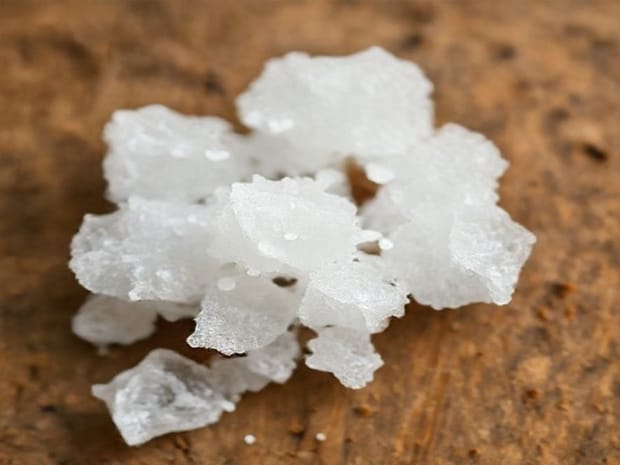
Alum is a naturally occurring mineral compound, commonly available as potassium alum or potassium aluminum sulfate. It has been traditionally used in water purification, deodorants, and skin care due to its antiseptic and astringent properties. In the context of fungal infections, alum works by creating an environment that is unfavorable for fungal growth while soothing irritated skin.
Forms of Alum
- Powdered alum Often used in paste or solution for topical application.
- Crystal alum Can be dissolved in water to create a soak or wash.
- Alum sticks Used for localized application on small areas such as nails or toes.
Selecting the appropriate form of alum depends on the area affected and personal preference for ease of use.
Recognizing Fungal Infections
Before using alum, it is important to identify the signs of a fungal infection. Common fungal infections include athlete’s foot, ringworm, jock itch, and nail fungus. Recognizing symptoms early allows for timely treatment and prevents the spread of infection.
Common Symptoms
- Red, itchy, or inflamed patches of skin.
- Scaling or peeling of skin in affected areas.
- Discoloration or thickening of nails in case of nail fungus.
- Unpleasant odor or moisture accumulation, especially between toes or skin folds.
If symptoms are severe or persistent, it is advisable to consult a healthcare professional for proper diagnosis and treatment.
Preparing Alum for Use
Proper preparation of alum is essential to ensure safe and effective treatment. The method depends on whether you are using alum for a soak, paste, or direct application.
Alum Solution for Soaking
- Dissolve 1-2 teaspoons of powdered alum in a bowl of warm water.
- Stir until completely dissolved to create a clear solution.
- Use this solution to soak the affected area for 10-15 minutes.
- Dry the area thoroughly after soaking to prevent moisture retention.
Alum Paste for Topical Application
- Mix powdered alum with a few drops of water to form a thick paste.
- Apply the paste directly onto the infected skin.
- Leave it on for 15-20 minutes before rinsing off with clean water.
- Repeat once or twice daily for best results.
Using Alum Crystals or Sticks
- Dampen the crystal or stick with a small amount of water.
- Rub gently over the affected area, allowing the alum to release its astringent properties.
- Use once or twice daily, ensuring proper drying afterward.
Additional Tips for Effective Treatment
Using alum in conjunction with good hygiene practices enhances its effectiveness against fungal infections. Consistency and care are key to achieving positive results.
Hygiene Practices
- Keep the affected area clean and dry at all times.
- Change socks or clothing regularly if the infection involves feet or body folds.
- Avoid sharing towels, shoes, or personal items to prevent spreading the fungus.
- Wash hands thoroughly after applying alum to prevent accidental transfer.
Supporting Measures
- Wear breathable footwear or clothing to reduce moisture buildup.
- Apply natural antifungal remedies like tea tree oil alongside alum for enhanced effect.
- Maintain a balanced diet and hydration to support skin health and immune function.
Precautions and Safety
While alum is generally safe for topical use, certain precautions should be observed to avoid irritation or adverse reactions.
Safety Guidelines
- Perform a patch test on a small area of skin before applying alum to larger areas.
- Avoid using alum on broken or severely irritated skin.
- Discontinue use if redness, burning, or excessive dryness occurs.
- Consult a doctor if the fungal infection does not improve within 2-3 weeks or worsens.
- Keep alum out of reach of children to prevent accidental ingestion.
When to Seek Medical Attention
Although alum can be effective for mild fungal infections, it is important to recognize when professional medical care is necessary. Severe or persistent infections may require prescription antifungal medications or other interventions.
Indicators for Medical Consultation
- Intense itching, swelling, or pain that does not subside with home treatment.
- Spreading of infection to other body parts despite regular alum use.
- Nail infections that cause thickening, discoloration, or crumbling.
- Underlying health conditions such as diabetes or immune disorders that increase infection risk.
Alum provides a natural, affordable option for managing mild fungal infections due to its antifungal and astringent properties. Proper preparation and application, combined with consistent hygiene practices, can help reduce symptoms and prevent the spread of infection. It is important to monitor the affected area and discontinue use if irritation occurs. While alum can be effective for minor infections, seeking medical advice for severe or persistent cases ensures appropriate treatment and prevents complications. By understanding how to use alum safely and effectively, individuals can take proactive steps to manage fungal infections and promote healthier skin.