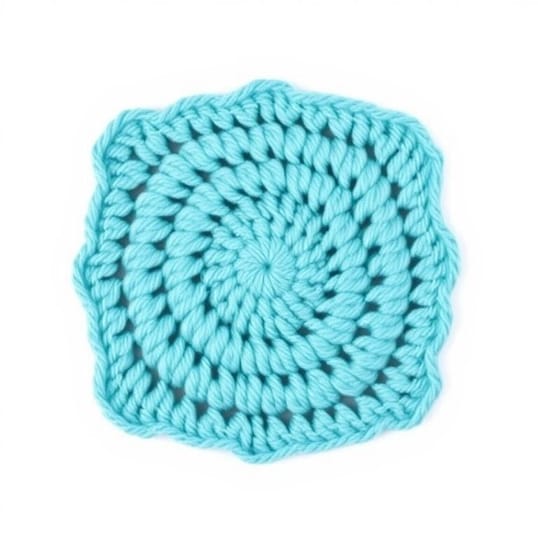
How To Crochet A Scrubby Dishcloth
Crocheting a scrubby dishcloth is a practical and enjoyable project for anyone looking to combine creativity with functionality in their home. Unlike traditional dishcloths, a scrubby dishcloth is designed with textured yarn that helps clean dishes, pots, and pans more effectively, providing gentle scrubbing power without scratching surfaces. Making one by hand allows for customization in size, color, and texture, making it not only a useful kitchen tool but also a fun craft project. Whether you are an experienced crocheter or a beginner, learning how to crochet a scrubby dishcloth is a rewarding experience that results in a durable, eco-friendly alternative to disposable sponges.
Materials Needed for a Scrubby Dishcloth
Before starting, it is important to gather the appropriate materials. Choosing the right yarn and hook ensures the dishcloth is both functional and durable. Scrubby yarns are slightly rougher than standard yarn, allowing for effective cleaning, but they are still soft enough to avoid damaging cookware.
Yarn
- Scrubby yarn or cotton yarn Scrubby yarns have a textured, slightly abrasive surface ideal for washing dishes. Cotton yarn can also be used for a gentler alternative.
- Color choice is optional, allowing you to create patterns or match your kitchen décor.
Crochet Hook
- Select a hook size recommended on the yarn label, usually between 4 mm to 6 mm for scrubby yarn.
- A hook that is too small may make the cloth too stiff, while a hook that is too large may create loose stitches that reduce scrubbing efficiency.
Other Supplies
- Scissors for cutting yarn
- Yarn needle for weaving in ends
Basic Crochet Stitches to Know
To crochet a scrubby dishcloth, familiarity with basic crochet stitches is helpful. The two most common stitches used in scrubby dishcloths are the chain stitch and single crochet stitch, which create a dense fabric ideal for cleaning.
Chain Stitch
The chain stitch forms the foundation of the dishcloth. It is used to create the starting row and can also be incorporated into patterns for decorative edges.
Single Crochet Stitch
The single crochet stitch is a simple, tight stitch that creates a strong, durable fabric. This stitch is ideal for dishcloths because it produces a dense texture suitable for scrubbing dishes effectively.
Step-by-Step Instructions
Creating a scrubby dishcloth involves a few straightforward steps. Following these steps carefully ensures that your dishcloth is the right size, texture, and durability for kitchen use.
Step 1 Start with a Foundation Chain
- Begin by making a slip knot and placing it on your hook.
- Create a chain of stitches to the desired width of your dishcloth, usually around 30 chains for a medium-sized cloth.
Step 2 First Row of Single Crochet
- Insert your hook into the second chain from the hook.
- Yarn over and pull through both loops to complete a single crochet stitch.
- Continue single crocheting across the row.
Step 3 Continue with Rows
- Chain one at the end of the row and turn your work.
- Single crochet across each row until the dishcloth reaches the desired length, typically 30 rows for a square dishcloth.
Step 4 Finishing Edges
- Once the final row is complete, fasten off the yarn.
- Weave in all loose ends using a yarn needle to secure the cloth and prevent unraveling.
- Optional Crochet a simple border around the dishcloth for a neat finish.
Tips for Crocheting a Scrubby Dishcloth
To ensure a high-quality finished product, consider the following tips while crocheting your scrubby dishcloth. Attention to detail will improve both the appearance and functionality of the cloth.
- Use a slightly larger hook than recommended for easier handling of the textured yarn.
- Maintain consistent tension to ensure even stitches and a uniform surface.
- Experiment with colors and stripes to create a visually appealing dishcloth.
- Wash and dry the scrubby dishcloth before first use to soften the yarn and improve its cleaning ability.
- Make multiple dishcloths at once to have a set for rotating in the kitchen.
Advanced Patterns and Variations
Once you are comfortable with basic single crochet stitches, you can explore more advanced patterns for your scrubby dishcloth. Adding textures, such as the waffle stitch or shell stitch, can improve scrubbing efficiency and add decorative appeal. Some patterns also incorporate loops or bobbles to create additional friction for tougher cleaning tasks.
Textured Stitches
- Waffle Stitch Creates raised squares that enhance scrubbing capability.
- Popcorn Stitch Produces small bumps for additional texture.
- Ribbed Stitch Uses front and back post stitches to create ridges that improve grip and cleaning efficiency.
Size Variations
Dishcloths can be made in various sizes to suit different tasks. Small cloths are convenient for quick washes, while larger cloths are ideal for cleaning bigger surfaces or drying dishes. Adjust the number of chains in your foundation row and the number of rows to achieve the desired size.
Caring for Your Scrubby Dishcloth
Proper care ensures that your scrubby dishcloth lasts longer and remains effective. Washing with mild soap and water after each use prevents the buildup of grease and food ptopics. Dishcloths made from cotton yarn can usually be machine washed, while synthetic scrubby yarn may require hand washing. Allow the cloth to air dry completely between uses to prevent mold or mildew formation.
- Rinse thoroughly after each use.
- Machine wash cotton dishcloths on a gentle cycle.
- Hand wash synthetic scrubby cloths to maintain texture.
- Air dry or lay flat to retain shape and durability.
- Replace dishcloths every few months or when they show signs of wear.
Crocheting a scrubby dishcloth is a simple, practical, and creative project that results in a functional kitchen tool. By choosing the right yarn, mastering basic crochet stitches, and following step-by-step instructions, anyone can create a durable and effective dishcloth. Whether for personal use, gifting, or adding a handmade touch to your kitchen, these dishcloths are eco-friendly alternatives to disposable sponges. With practice, you can explore advanced patterns, textures, and colors to customize your scrubby dishcloths, making them both beautiful and highly functional. Crocheting these dishcloths combines craftsmanship with utility, providing a satisfying and rewarding experience for any crochet enthusiast.