How High Should A Tv Be Mounted
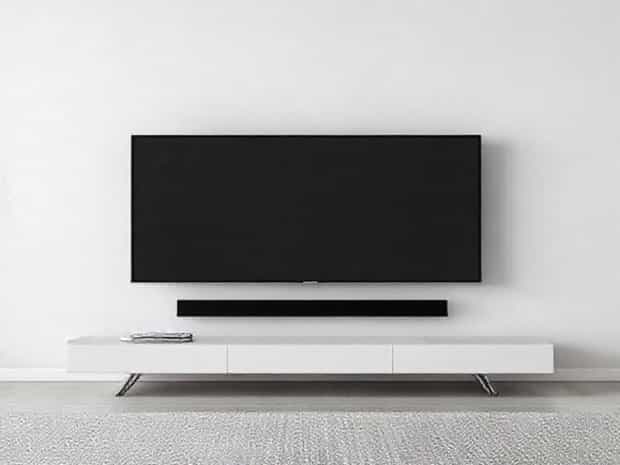
Mounting a television at the correct height is crucial for achieving an optimal viewing experience, reducing eye strain, and enhancing the aesthetics of a room. Many people overlook the importance of TV placement, focusing only on screen size or wall space. However, factors such as seating distance, eye level, room layout, and screen type significantly impact how high a TV should be mounted. Understanding these elements and following recommended guidelines ensures comfort, safety, and a more enjoyable entertainment setup.
Factors Affecting TV Mounting Height
Determining the ideal height for a TV involves more than just centering it on a wall. Several key factors influence the placement to ensure both comfort and performance
1. Eye Level Considerations
The most important factor in TV height placement is the viewer’s eye level. Ideally, the center of the TV screen should align with the average seated eye level, typically around 42 inches from the floor for most living rooms. This minimizes neck strain and allows viewers to watch comfortably for extended periods. In spaces with multiple seating arrangements, consider the primary viewing position when determining eye level.
2. Screen Size and Viewing Distance
The size of the TV and the distance from the seating area play a crucial role in optimal mounting height. Larger screens may require slightly higher placement, while smaller TVs should be closer to eye level. A general guideline is to position the TV so that the viewing distance is approximately 1.5 to 2.5 times the diagonal screen size. For example, a 55-inch TV works best at a viewing distance of 6.5 to 11 feet.
3. Room Layout and Furniture
The layout of the room and the height of furniture can affect TV placement. Wall-mounted TVs above fireplaces or tall cabinets may require tilting mounts to adjust the angle for comfortable viewing. Avoid placing the TV too high above couches or seating areas, as this can cause neck strain over time. It is essential to measure the space and furniture height before mounting the TV to ensure proper alignment with seating positions.
4. Type of TV and Mounting Options
Different types of TVs, such as flat screens or curved models, may influence height placement. Flat-screen TVs generally work best at standard eye level, while curved screens may benefit from slightly higher placement for an immersive viewing experience. Additionally, choosing the right mounting bracket, whether fixed, tilting, or full-motion, can provide flexibility to adjust the viewing angle and height according to needs.
Calculating the Optimal TV Height
To achieve the perfect TV height, a few calculations and measurements can help guide placement. Follow these steps for precise positioning
1. Measure Eye Level
Begin by measuring the seated eye level from the floor to the viewer’s eyes while sitting comfortably on the primary seating. This measurement is the reference point for centering the TV.
2. Determine TV Center Height
Find the center of the TV screen by dividing its height by two. The goal is to align this midpoint with the measured eye level. For example, a 55-inch TV is approximately 27 inches tall, so its center is around 13.5 inches from the bottom. Position the bottom edge of the TV at eye level minus 13.5 inches.
3. Consider Viewing Angle
The ideal viewing angle is slightly downward from the viewer’s line of sight, typically between 10 to 15 degrees. Using a tilting mount can help adjust the angle if the TV is mounted above eye level, such as over a fireplace. Proper angling ensures clear picture quality and reduces glare.
4. Account for Multiple Viewers
If multiple people watch the TV from different seating areas, try to find a compromise height that accommodates the majority. Alternatively, using a full-motion mount allows tilting and swiveling to adjust the screen for various positions, ensuring everyone has a comfortable viewing experience.
Common Mounting Scenarios
Different rooms and setups require unique considerations for TV height
1. Living Rooms
In a typical living room, mount the TV so that the center of the screen is at eye level for seated viewers. Ensure the TV is not too high above couches or chairs, and use tilting mounts if necessary. For larger living rooms, consider the seating distance when deciding the final height.
2. Bedrooms
For bedroom TVs, consider whether viewers watch from a sitting or lying position. Mounting the TV slightly higher than eye level may be more comfortable for lying down, but avoid placing it so high that it causes neck strain. Adjustable mounts can provide flexibility for different viewing angles.
3. Over Fireplaces
Mounting a TV above a fireplace is common but can present challenges. Fireplaces often raise the TV above optimal eye level, potentially causing neck discomfort. Using a tilting or articulating mount can angle the screen downward to compensate. Ensure heat from the fireplace does not affect the TV’s performance.
4. Home Theaters
In home theater setups, seating arrangements and screen size are critical. Larger screens may require slightly higher mounting to accommodate multiple rows of seats. The first row of viewers should have the TV center at eye level, while rear rows may benefit from adjustable angles using a tilting mount.
Additional Tips for TV Mounting
- Measure twice before drilling to avoid incorrect placement.
- Use a level to ensure the TV is perfectly horizontal.
- Consider cable management for a clean, organized appearance.
- Leave space for ventilation to prevent overheating.
- Test different heights by temporarily holding the TV in place or using cardboard cutouts.
Mounting a TV at the correct height is essential for comfort, optimal viewing, and aesthetics. By considering factors such as eye level, screen size, viewing distance, room layout, and type of mount, homeowners can determine the ideal height for their specific setup. Calculating the center of the screen relative to eye level, using tilting or adjustable mounts, and accounting for multiple viewers ensures a comfortable and enjoyable experience. Whether in a living room, bedroom, or home theater, proper TV placement reduces strain and enhances viewing pleasure, making it a crucial element of any entertainment space.