How Big Are Skua Birds
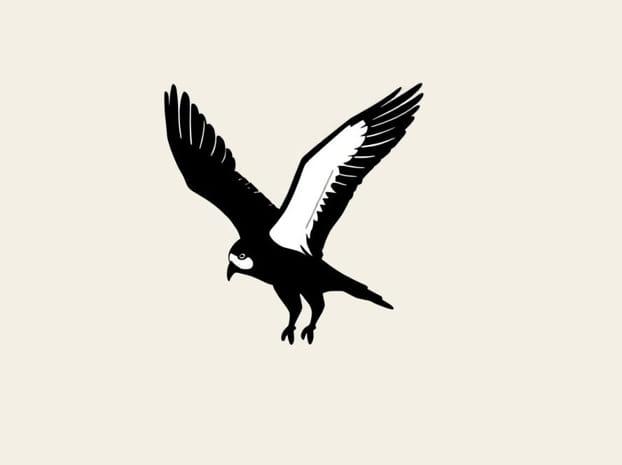
Skuas are fascinating seabirds known for their aggressive behavior, remarkable adaptability, and striking presence along coastlines and open oceans. Observers often marvel at their size, which varies significantly among different species, making them an interesting subject for birdwatchers and ornithologists alike. Understanding the size, wingspan, and physical characteristics of skua birds provides insight into their hunting strategies, territorial behavior, and ecological importance. These birds are not only impressive predators but also play a vital role in the balance of marine ecosystems.
Overview of Skua Birds
Skuas belong to the family Stercorariidae and are found in polar, subpolar, and temperate regions around the world. There are several species of skuas, including the great skua, south polar skua, brown skua, and pomarine skua. Each species exhibits variations in size, plumage, and behavior. Skuas are known for their kleptoparasitic habits, often stealing food from other seabirds, as well as their aggressive defense of nests and young.
Physical Characteristics
Skuas are generally robust birds with strong, hooked bills adapted for seizing prey and scavenging. Their feathers range from dark brown to mottled gray, providing camouflage against ocean surfaces and rocky coastal environments. One of the most distinguishing features is their wingspan, which allows them to glide efficiently over long distances and pursue other birds in flight.
Size Variations Among Skua Species
The size of skua birds varies across species, with some being relatively small while others are considered among the largest seabirds in their habitats. Key measurements include body length, wingspan, and weight, which help define their capabilities as predators and scavengers.
Great Skua (Stercorarius skua)
The great skua is the largest skua species found in the North Atlantic and parts of Europe. Adult great skuas typically measure 50 to 58 centimeters in length, with a wingspan ranging from 125 to 160 centimeters. They can weigh between 1.2 and 1.5 kilograms, with females often slightly larger than males. Their substantial size contributes to their dominance over smaller seabirds and enables them to chase down or intimidate competitors effectively.
Pomarine Skua (Stercorarius pomarinus)
The pomarine skua, found in Arctic and sub-Arctic waters, is slightly smaller than the great skua. Adults measure around 46 to 56 centimeters in length, with a wingspan of 110 to 130 centimeters. Weights vary from 0.6 to 1.1 kilograms. Pomarine skuas are agile flyers, capable of high-speed maneuvers, which they use to harass other seabirds and capture prey from the sea surface.
South Polar Skua (Stercorarius maccormicki)
The south polar skua inhabits Antarctic regions and migrates extensively across the Southern Ocean. Adult birds are typically 53 to 58 centimeters long, with a wingspan of 125 to 140 centimeters and a weight between 0.9 and 1.5 kilograms. This species is renowned for its predatory skills, often attacking smaller birds and feeding on eggs and chicks, making its size a key factor in its survival strategy.
Brown Skua (Stercorarius antarcticus)
Brown skuas are found in sub-Antarctic islands and southern oceans. They are slightly smaller than the great skua but still robust, measuring 50 to 60 centimeters in length, with wingspans of 120 to 140 centimeters. Weights range from 0.9 to 1.4 kilograms. Their size and strength allow them to dominate other seabirds and scavenge effectively along shorelines.
Wingspan and Flight Abilities
One of the most notable aspects of skua size is their wingspan. Wingspans enable skuas to cover large distances while searching for food, making them efficient migratory and hunting birds. The combination of length and wingspan contributes to their agility and endurance, crucial traits for species that rely on stealing food and chasing prey over open waters.
Adaptations for Predation
The wings of skua birds are broad and powerful, allowing them to glide efficiently and maneuver skillfully in pursuit of other seabirds. Their strong wing muscles and streamlined bodies enhance flight stability in harsh weather conditions, including high winds over the ocean. These adaptations are directly linked to their hunting techniques, territorial behavior, and ability to travel long distances during migration.
Sexual Dimorphism in Skua Birds
Size differences between male and female skuas are generally minimal, though in some species females are slightly larger. This dimorphism is thought to support breeding and territorial defense. Larger females may be better suited to incubate eggs and protect chicks, while males assist in hunting and defending feeding territories. Understanding these size differences provides insight into skua social structures and reproductive behavior.
Role in Ecosystems
Skua birds, regardless of size, play a critical role in marine ecosystems. As predators and scavengers, they help regulate populations of smaller seabirds and fish, maintaining balance within their habitats. Their aggressive behavior ensures that weaker or injured animals are removed from the ecosystem, contributing to overall ecological health.
Observing Skua Size in the Wild
Birdwatchers and wildlife enthusiasts often note the impressive presence of skuas at coastal locations. Observing their size, wingspan, and flight patterns provides a deeper appreciation of their role in marine environments. Skuas can appear larger than other seabirds due to their robust build and broad wings, especially when engaging in aggressive interactions with other species.
Tips for Observation
- Visit coastal regions during breeding or migration seasons for the best chance to observe skuas.
- Use binoculars or spotting scopes to measure size and wingspan accurately from a safe distance.
- Note behavior such as kleptoparasitism, aerial chases, and territorial displays to understand how size influences ecological interactions.
- Record sightings to contribute to citizen science projects monitoring seabird populations.
Skuas are impressive seabirds whose size, wingspan, and strength play a crucial role in their survival and ecological impact. Species like the great skua, pomarine skua, south polar skua, and brown skua vary in length, wingspan, and weight, each adapted to their respective environments. Their physical characteristics allow them to dominate other seabirds, steal food efficiently, and maintain the balance of marine ecosystems. Observing skuas provides valuable insights into predator-prey dynamics and highlights the importance of preserving coastal and oceanic habitats. Understanding how big skua birds are not only fascinates birdwatchers but also emphasizes the broader significance of protecting these remarkable seabirds for the health of global marine ecosystems.