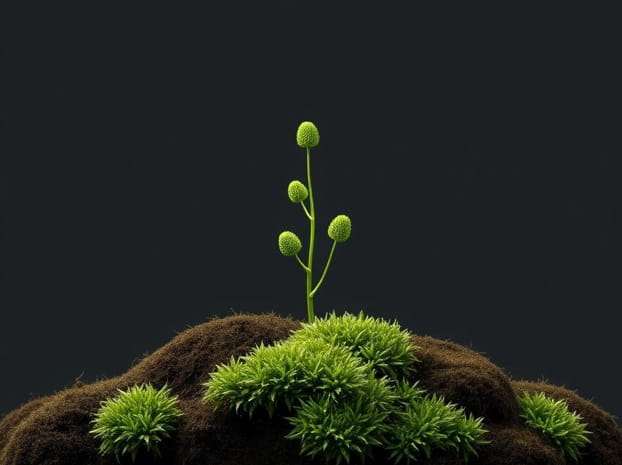
How Acidic Is Peat Moss
Peat moss is a widely used organic material in gardening and horticulture, valued for its ability to improve soil structure, water retention, and nutrient availability. One of the defining characteristics of peat moss is its acidity, which influences the types of plants that can thrive in soils amended with it. Understanding the acidity of peat moss, its chemical properties, and how it interacts with soil pH is essential for gardeners, landscapers, and agricultural professionals. The acidic nature of peat moss makes it particularly useful for acid-loving plants, but it also requires careful management to maintain optimal soil conditions for plant growth.
Understanding the Acidity of Peat Moss
Peat moss is naturally acidic, with a pH typically ranging from 3.0 to 4.5. This low pH classifies it as a strongly acidic material, capable of significantly lowering the pH of garden soils when incorporated in large amounts. The acidity of peat moss arises from the decomposition of partially decayed plant material, primarily sphagnum moss, under waterlogged and anaerobic conditions over thousands of years. Organic acids, such as humic and fulvic acids, are present in peat moss and contribute to its acidic nature. These acids can influence nutrient availability, microbial activity, and overall soil chemistry.
Factors Affecting Peat Moss Acidity
The acidity of peat moss can vary depending on several factors, including its source, age, and degree of decomposition. For example, sphagnum peat moss tends to be more acidic than reed-sedge peat moss. Additionally, younger, less decomposed peat tends to have a lower pH compared to older, highly decomposed peat. Environmental conditions during peat formation, such as water chemistry and local vegetation, also play a role in determining its final acidity. Understanding these factors is important for gardeners to select the right type of peat moss for specific plant needs.
Impact of Peat Moss Acidity on Soil
When peat moss is added to soil, it can lower the soil pH, creating a more acidic environment. Acidic soils influence the availability of essential nutrients, such as nitrogen, phosphorus, potassium, and micronutrients like iron and manganese. In some cases, slightly acidic soils improve nutrient uptake for acid-loving plants, but excessive acidity can inhibit plant growth and reduce microbial activity. Therefore, monitoring soil pH and adjusting it if necessary is critical when using peat moss extensively in gardening.
Peat Moss and Plant Growth
Peat moss is particularly beneficial for plants that thrive in acidic soils, such as blueberries, azaleas, rhododendrons, camellias, and certain ferns. These plants prefer a pH range of 4.5 to 6.0, which peat moss can help achieve when mixed with garden soil. For neutral or alkaline-loving plants, the acidity of peat moss may need to be balanced with lime or other alkaline amendments to prevent nutrient deficiencies and support optimal growth. Understanding the interaction between peat moss acidity and plant preferences is essential for successful horticulture.
Effects on Soil Microorganisms
Soil microorganisms play a critical role in nutrient cycling and organic matter decomposition. The acidic environment created by peat moss can favor certain microbial populations while inhibiting others. For example, fungi often thrive in acidic conditions, whereas bacterial activity may decrease as pH drops. These changes in microbial communities can affect soil health, organic matter decomposition rates, and nutrient availability. Gardeners should consider these impacts when using peat moss to avoid unintended imbalances in soil ecology.
Managing Peat Moss Acidity in Gardening
Proper management of peat moss acidity is crucial to achieving optimal soil conditions for plant growth. There are several strategies gardeners and horticulturists can use to control soil pH and maximize the benefits of peat moss while minimizing potential negative effects.
Liming to Adjust Soil pH
One common approach is to add lime, such as agricultural lime or dolomitic lime, to neutralize excess acidity. The amount of lime required depends on the soil’s initial pH, buffering capacity, and the volume of peat moss incorporated. Liming helps maintain a balanced pH, ensuring nutrient availability and supporting healthy plant growth.
Mixing with Other Organic Materials
Peat moss can be blended with compost, leaf mold, or other organic materials to moderate acidity and improve overall soil fertility. This approach not only balances pH but also enhances soil structure, water-holding capacity, and microbial activity. Using a combination of organic amendments allows gardeners to harness the benefits of peat moss without creating overly acidic soil conditions.
Monitoring Soil pH
Regular soil testing is essential when using peat moss in gardening or landscaping. Soil pH meters or laboratory analyses provide accurate readings of acidity levels, helping gardeners make informed decisions about amendments and fertilization. Monitoring ensures that the soil environment remains suitable for the target plants and avoids nutrient imbalances caused by excessive acidity.
Environmental Considerations
While peat moss is a valuable gardening resource, its extraction and use have environmental implications. Peatlands are carbon-rich ecosystems that act as natural carbon sinks, storing large amounts of carbon over thousands of years. Harvesting peat moss can release stored carbon, contributing to greenhouse gas emissions and climate change. Sustainable alternatives, such as coconut coir or composted bark, offer less acidic and more environmentally friendly options for soil amendment. Gardeners should weigh the benefits of peat moss acidity against its ecological impact and consider responsible sourcing and usage.
Alternative Materials
- Coconut CoirA renewable material derived from coconut husks, with a near-neutral pH and similar water-holding capacity to peat moss.
- Composted BarkProvides organic matter, improves soil structure, and has a mild acidity suitable for a wide range of plants.
- Leaf MoldDecomposed leaves create a nutrient-rich, slightly acidic amendment that enhances soil fertility without excessive acidity.
Peat moss is inherently acidic, with a pH ranging from 3.0 to 4.5, making it a valuable amendment for acid-loving plants and a useful tool for improving soil structure and water retention. Its acidity affects nutrient availability, microbial activity, and plant growth, necessitating careful management to achieve optimal garden conditions. Strategies such as liming, mixing with other organic materials, and regular soil pH monitoring can help balance the effects of peat moss acidity. While peat moss offers many horticultural benefits, environmental considerations highlight the importance of responsible use and the exploration of sustainable alternatives. Understanding the acidity of peat moss and its interaction with soil ecosystems allows gardeners, landscapers, and agricultural professionals to make informed decisions that promote healthy plant growth and long-term soil health.