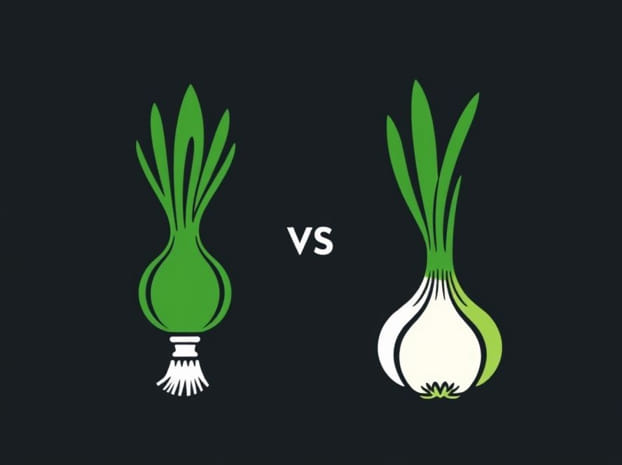
Green Onion Vs Shallot
Green onions and shallots are two commonly used ingredients in kitchens around the world, yet many home cooks are unsure about their differences and culinary applications. While both belong to the Allium family, their flavors, textures, and uses in cooking vary significantly. Green onions, also known as scallions, are mild and fresh, often used raw in salads or as a garnish. Shallots, on the other hand, offer a more complex, slightly sweet and pungent flavor, making them ideal for sautéing, sauces, and dressings. Understanding the distinctions between green onions and shallots can enhance your cooking and help you make informed choices when preparing recipes.
Botanical Differences
Green onions and shallots come from the same botanical family, Allium, which also includes garlic, onions, and leeks. However, they are distinct species with different growth patterns and physical characteristics. Green onions are typically harvested young, with a long green stalk and a small white bulb, while shallots develop a larger, more rounded bulb and are usually harvested when mature. These differences in plant structure contribute to their unique flavors and culinary applications.
Green Onion Characteristics
Green onions feature long, hollow green stalks and small white bulbs. The entire plant is edible, including the green tops and white bottoms. The flavor is mild, slightly peppery, and less pungent than regular onions, which makes them versatile for both raw and cooked dishes. Green onions are commonly used in salads, soups, stir-fries, and as a fresh garnish on cooked meals.
Shallot Characteristics
Shallots have a small, elongated bulb that is typically split into multiple cloves, similar to garlic. Their skin ranges from copper to reddish-brown, and the flesh is pale purple or off-white. The flavor is more complex than green onions, combining sweet, earthy, and slightly sharp notes. Shallots are often used to add depth to sauces, vinaigrettes, roasted dishes, and sautés. Unlike green onions, shallots are usually cooked to mellow their pungency and bring out their natural sweetness.
Flavor Profiles
The flavor differences between green onions and shallots influence how they are used in recipes. Green onions provide a fresh, light, and slightly crisp taste that enhances dishes without overpowering them. They are ideal when you want a subtle onion flavor that complements rather than dominates other ingredients. Shallots, however, deliver a more robust, layered flavor that adds complexity and richness, particularly when caramelized or gently cooked in oil or butter.
Green Onion Flavor Uses
- Raw in salads for a mild onion taste
- As a garnish for soups, stews, and casseroles
- Stir-fried with vegetables, rice, or noodles
- Mixed into dips, salsas, and spreads for freshness
Shallot Flavor Uses
- Sautéed as a base for sauces, soups, and gravies
- Roasted to enhance sweetness and depth of flavor
- Finely minced in vinaigrettes and salad dressings
- Combined with meats or vegetables for braised dishes
Texture Differences
Texture also plays a role in how green onions and shallots are used. Green onions retain a crispness when raw and soften slightly when lightly cooked, providing both visual appeal and subtle crunch. Shallots have a denser, firmer texture that breaks down when cooked, adding body and thickness to sauces and sautés. This difference in texture further guides how each ingredient is applied in culinary preparations.
Green Onion Texture Applications
- Chopped green tops add color and crunch to salads and garnishes
- White stalks soften quickly when sautéed or stir-fried
- Maintains shape and freshness in lightly cooked dishes
Shallot Texture Applications
- Mincing creates a soft texture that integrates seamlessly into sauces
- Caramelizing produces a tender, sweet component for main dishes
- Roasted shallots become creamy inside while retaining a slight firmness outside
Culinary Substitutions
In recipes, green onions and shallots are sometimes substituted for each other, but adjustments must be made due to their differing intensities and flavors. Using green onions in place of shallots works best in recipes that call for raw garnishes or a mild onion note. Conversely, substituting shallots for green onions can enhance the dish with a more pronounced flavor but may require adjustments to cooking times or quantity.
Substitution Tips
- Use 1/4 cup chopped green onion in place of 1 shallot in raw applications
- Cook green onions gently to approximate shallot flavor in sautés or sauces
- Consider combining green onions with a small amount of garlic to mimic shallot complexity
- Be mindful of stronger shallot flavor when replacing green onions in raw dishes
Nutritional Comparison
Green onions and shallots offer different nutritional benefits. Green onions are low in calories and provide vitamins A, C, and K, along with antioxidants that support immune health. Shallots are also low in calories but contain higher amounts of certain minerals such as potassium, manganese, and folate. Both ingredients are beneficial when used in moderation, adding flavor without excessive fat or calories.
Health Considerations
- Green onions are ideal for fresh, raw applications with minimal calories
- Shallots contribute natural sweetness and complexity without added sugar
- Both ingredients support heart health through their antioxidant content
- Including a variety of alliums in meals can enhance overall nutritional diversity
Storage and Shelf Life
Proper storage ensures green onions and shallots maintain their flavor and texture. Green onions should be stored in the refrigerator, ideally in a glass of water with a loose plastic cover, or wrapped in a damp paper towel inside a bag. They typically last up to a week. Shallots have a longer shelf life and can be stored in a cool, dry, dark place for several weeks. Whole shallots keep better than peeled or cut ones, which should be refrigerated and used promptly.
Understanding the differences between green onions and shallots enhances cooking techniques and recipe outcomes. Green onions offer a fresh, mild flavor suitable for raw applications and light cooking, while shallots provide a complex, slightly sweet and pungent taste ideal for sautéing, sauces, and dressings. Texture, flavor intensity, and culinary versatility all play roles in determining which ingredient to use. By recognizing their unique characteristics, home cooks can make informed choices, substitute effectively when necessary, and elevate dishes with the appropriate use of green onions or shallots, creating meals that are flavorful, visually appealing, and nutritionally beneficial.