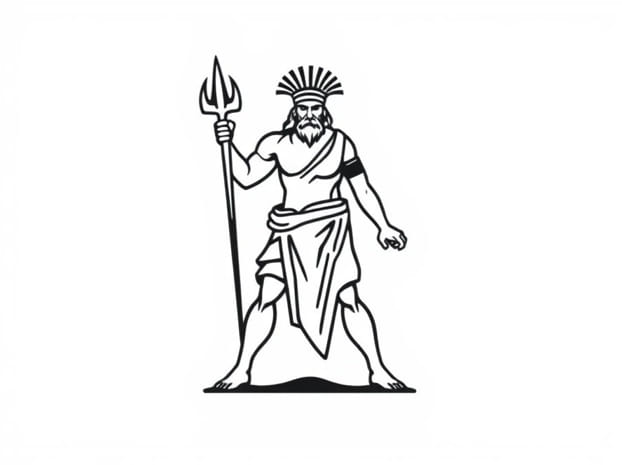
Greek God Of Savagery
In Greek mythology, the concept of savagery and uncontrolled violence is personified in certain deities and spirits who embody the raw, primal aspects of human nature and war. Among these figures, Ares, the god of war, is most prominently associated with the savagery of battle, bloodlust, and conflict. Unlike other gods who symbolize strategic or just warfare, Ares represents the chaotic, brutal, and destructive side of combat, reflecting the darker impulses of humanity. His mythology offers insights into how the ancient Greeks understood aggression, fear, and the moral complexities of violence, while also highlighting the dual nature of gods as both protective and destructive forces in the world.
Origins of Ares
Ares, the son of Zeus and Hera, is one of the twelve Olympian gods. While revered for his strength and courage, he was often feared for his uncontrollable temper and appetite for conflict. In contrast to Athena, who represents strategic warfare and wisdom, Ares embodies the raw, unthinking, and often indiscriminate savagery of battle. He was not universally worshiped in Greek society, and many myths portray him as disruptive and destructive, rather than noble or protective. His character reflects the ancient Greeks’ recognition of both the necessity and danger of aggression in human society.
Depiction and Attributes
In art and literature, Ares is typically depicted as a muscular, youthful man, often armed with a spear, shield, or helmet, symbolizing his readiness for battle. He exudes an aura of fear and intensity, representing the physical and emotional chaos of combat. Unlike other gods who may inspire calm, reason, or strategic thinking, Ares embodies unrestrained force, bloodlust, and the primal instincts that drive humans toward violence. His presence in myths often serves as a reminder of the dangers of uncontrolled aggression and the destructive potential of raw power.
Mythological Stories of Ares
Ares appears in numerous myths that illustrate his association with savagery and chaos. He frequently participates in wars, often causing bloodshed and inciting conflict. In the Iliad, Ares fights on the side of the Trojans, relishing in the destruction of battle. His interventions are less about heroism and more about the thrill of combat, emphasizing his role as the embodiment of savagery. Unlike other gods who are worshiped for protection or justice, Ares’ influence is primarily feared, highlighting the ancient Greeks’ ambivalent relationship with violence.
Love Affairs and Chaos
Ares’ relationship with Aphrodite, the goddess of love, further reflects the combination of passion, desire, and destructive force. Their affair produces several offspring, including Phobos (fear) and Deimos (terror), who personify the psychological effects of war. This myth underscores the idea that savagery is not only physical but also emotional, affecting the psyche and social order. Ares’ connections with these figures highlight the interwoven nature of violence, fear, and human behavior in Greek mythology.
Cultural Significance of Ares
Ares’ worship in ancient Greece was complex. Unlike Athena, who received widespread veneration for wisdom and protection in war, Ares was revered mainly in specific locales and under specific circumstances, particularly in Thrace and Sparta, regions known for militarism and valor in battle. Rituals and sacrifices to Ares often focused on appeasing his aggressive nature and seeking favor or protection in warfare. His role as a god of savagery reflected both the necessity and the dangers of aggression, acknowledging that violence is an inherent part of human experience that requires caution and respect.
Contrasts with Other Deities
Ares is often contrasted with Athena, who represents disciplined strategy, planning, and moral consideration in warfare. While Athena embodies controlled and purposeful combat, Ares represents impulsive, frenzied, and destructive violence. This contrast emphasizes the Greek understanding that savagery can be both awe-inspiring and dangerous, requiring balance and wisdom to harness effectively. Ares’ mythology serves as a cautionary tale about the consequences of unchecked aggression.
Personification of Fear and Violence
Through Ares, the Greeks personified not only the physical act of war but also the psychological impact of savagery. His children, Phobos and Deimos, represent fear and terror, companions in battle who amplify the chaos and psychological toll of violence. These personifications illustrate how the Greeks conceptualized the effects of aggression on both individuals and communities, highlighting the pervasive influence of war and savagery on human life. Ares’ mythology shows that the god of savagery is both an external and internal force, affecting bodies, minds, and societies alike.
Artistic and Literary Depictions
In classical art, Ares is depicted as a youthful and powerful warrior, often in the midst of battle, symbolizing the intensity and savagery of war. Literature such as Homer’s Iliad presents him as relentless and unpredictable, embodying the uncontrollable nature of conflict. These depictions emphasize his raw power and the fear he instills, reinforcing his identity as the god of savagery. In later periods, artists and writers continued to explore Ares’ violent and passionate aspects, reflecting ongoing fascination with the darker sides of human nature.
Lessons and Symbolism
The Greek god of savagery embodies multiple lessons for understanding human nature and the role of violence in society. He represents the primal instincts, emotional intensity, and chaotic forces that exist alongside rationality and order. Ares reminds humans of the dangers of unrestrained aggression while also acknowledging the necessity of courage and strength in certain circumstances. His mythology encourages reflection on the balance between control and instinct, strategy and passion, and the moral implications of violence.
Key Symbolic Themes
- Primal ViolenceAres embodies raw, uncontrolled aggression and the physical brutality of war.
- Psychological EffectsThrough his children Phobos and Deimos, he represents fear and terror in battle.
- Moral ComplexityHis actions highlight the tension between necessary combat and destructive savagery.
- Contrast with WisdomAres’ impulsive nature contrasts with Athena’s strategic approach, emphasizing balance in human behavior.
- Human NatureHis mythology reflects the duality of human instincts, combining strength, desire, and potential for destruction.
Ares, the Greek god of savagery, remains a compelling figure whose mythology explores the raw, chaotic, and destructive aspects of human nature and warfare. His presence in myths, art, and literature reflects the ancient Greeks’ awareness of the duality of violence its necessity and its danger. Through tales of battle, fear, and passion, Ares personifies both the external and internal forces of savagery, offering timeless lessons about aggression, morality, and human behavior. By studying Ares, we gain insight into the complexities of war, the psychological impact of fear and violence, and the enduring fascination with the primal, untamed forces that shape the human experience.