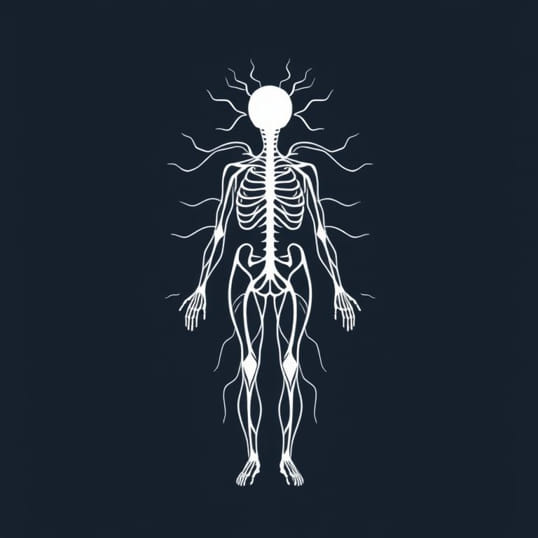
Function Of Somatic Nervous System
The somatic nervous system (SNS) is a critical component of the human nervous system, responsible for controlling voluntary movements and transmitting sensory information from the body to the central nervous system. It enables humans to interact with their environment through precise motor control and acute sensory perception. Understanding the function of the somatic nervous system is fundamental for students, health professionals, and anyone interested in human biology, as it forms the basis of conscious control over muscles and sensory responses. The SNS works in coordination with the central nervous system, allowing the brain to receive sensory inputs and send motor commands to skeletal muscles, ensuring seamless interaction with the external world.
Structure of the Somatic Nervous System
The somatic nervous system is composed of sensory and motor neurons that link the central nervous system (brain and spinal cord) to the skeletal muscles and sensory organs. Its structure is designed to facilitate rapid transmission of signals, allowing quick responses to stimuli. Sensory neurons carry information from the skin, muscles, and joints to the CNS, while motor neurons transmit commands from the CNS to muscles, resulting in movement. The SNS is anatomically distinct from the autonomic nervous system, which controls involuntary functions.
Key Components of the Somatic Nervous System
- Sensory (Afferent) NeuronsThese neurons carry information from sensory receptors in the skin, muscles, and joints to the brain and spinal cord.
- Motor (Efferent) NeuronsThese neurons transmit signals from the CNS to skeletal muscles, facilitating voluntary movements.
- Peripheral NervesBundles of sensory and motor neurons that connect the CNS to different parts of the body.
- Neuromuscular JunctionThe synapse where motor neurons communicate with skeletal muscle fibers to induce contraction.
Main Functions of the Somatic Nervous System
The somatic nervous system performs essential roles in sensory perception and voluntary motor control. These functions are vital for daily activities, allowing humans to respond effectively to environmental stimuli and perform complex movements with precision.
Control of Voluntary Movements
The primary function of the SNS is to control voluntary movements. Motor neurons carry signals from the brain and spinal cord to skeletal muscles, enabling actions such as walking, running, lifting objects, or typing. These movements require precise coordination between multiple muscles, which is achieved through the integration of motor commands from the CNS and feedback from sensory neurons. The SNS ensures that movements are smooth, accurate, and adaptable to changing conditions.
Sensory Perception
The somatic nervous system allows humans to perceive sensations from the external environment, including touch, pressure, temperature, pain, and proprioception (awareness of body position). Sensory neurons in the skin, muscles, and joints detect stimuli and send signals to the CNS, where they are processed and interpreted. This sensory feedback is essential for making adjustments during movement and for protecting the body from harm.
Reflex Actions
The SNS is also involved in reflex actions, which are rapid, involuntary responses to certain stimuli. For example, touching a hot object triggers a reflex that causes immediate withdrawal of the hand. Although reflexes occur automatically, they still involve the somatic nervous system, as sensory neurons detect the stimulus and motor neurons activate the appropriate muscles. Reflexes are vital for survival and minimize the risk of injury.
Coordination with the Central Nervous System
The somatic nervous system functions in close coordination with the central nervous system, including the brain and spinal cord. The CNS processes sensory inputs and generates motor outputs, which are then transmitted via somatic motor neurons to skeletal muscles. This coordination allows humans to perform complex movements, maintain balance, and respond to environmental challenges efficiently. The SNS ensures that sensory information is accurately interpreted and motor commands are executed precisely.
Signal Transmission
- Sensory signals travel from receptors to the CNS through afferent neurons.
- The CNS processes these signals and determines the appropriate response.
- Motor commands are sent through efferent neurons to skeletal muscles to produce movement.
Integration of Feedback
Proprioceptive feedback from muscles and joints allows the CNS to fine-tune motor commands. For example, when walking on uneven terrain, sensory information about foot position and muscle tension is relayed to the CNS, which adjusts muscle activity to maintain balance. This feedback loop highlights the efficiency and adaptability of the somatic nervous system.
Importance in Daily Life
The somatic nervous system plays a vital role in everyday activities and overall human functioning. From simple tasks like holding a cup of coffee to complex activities such as playing a musical instrument or participating in sports, the SNS enables precise motor control and sensory perception. Its proper functioning is essential for independence, safety, and quality of life.
Enhancing Physical Abilities
- The SNS allows for coordinated muscle contractions necessary for movement and strength.
- Sensory perception aids in spatial awareness and interaction with the environment.
- Reflexes mediated by the SNS protect the body from injury and respond quickly to threats.
Learning and Skill Development
The somatic nervous system is also critical for learning new motor skills. Activities such as writing, swimming, dancing, or playing a sport involve repeated practice that strengthens neural pathways in the SNS. Over time, movements become more precise and efficient due to improved coordination between sensory input and motor output.
Disorders of the Somatic Nervous System
Disruption in the function of the somatic nervous system can lead to various neurological disorders. Damage to sensory neurons may result in loss of sensation, numbness, or tingling, while damage to motor neurons can cause weakness, paralysis, or loss of voluntary muscle control. Understanding the functions of the SNS is crucial for diagnosing, managing, and treating such conditions effectively.
Examples of Somatic Nervous System Disorders
- Peripheral neuropathy Damage to peripheral nerves causing weakness and sensory deficits.
- Motor neuron disease Degeneration of motor neurons leading to muscle wasting and loss of voluntary movement.
- Reflex abnormalities Impaired reflex responses due to disruption in sensory or motor pathways.
The somatic nervous system is an essential part of human biology, responsible for controlling voluntary movements, enabling sensory perception, and coordinating reflex actions. By transmitting signals between the central nervous system and skeletal muscles, the SNS allows humans to interact effectively with their environment, perform complex tasks, and maintain safety through reflex responses. Its role in learning, skill development, and physical coordination highlights its importance in daily life. A thorough understanding of the somatic nervous system provides insight into human physiology, emphasizing how the integration of sensory inputs and motor outputs contributes to efficient and adaptable behavior. Maintaining the health of the SNS is critical for overall mobility, coordination, and quality of life.