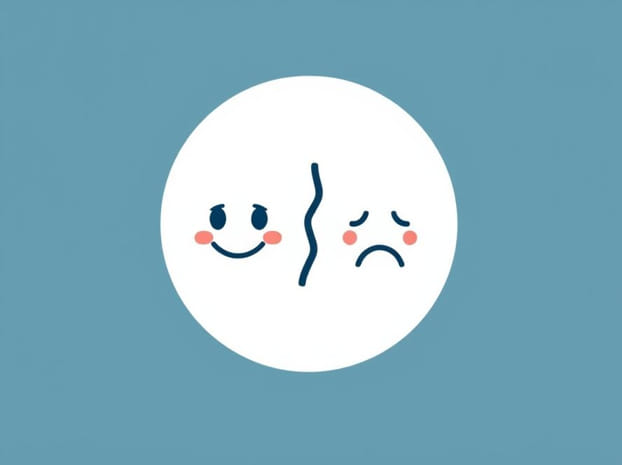
Freudenfreude And Schadenfreude Test
Freudenfreude and schadenfreude are two contrasting emotional experiences that reveal a lot about human psychology. Freudenfreude refers to the joy or pleasure derived from someone else’s happiness or success, while schadenfreude is the feeling of satisfaction or amusement at another person’s misfortune. Both emotions are deeply rooted in social comparison, empathy, and moral reasoning. Understanding these emotions, and exploring tests designed to measure them, provides insight into human behavior, interpersonal relationships, and social cognition. These concepts highlight the dual nature of emotional responses to others’ experiences and help explain why people react differently to success and failure in their social environments.
Defining Freudenfreude and Schadenfreude
Freudenfreude is an emotion that reflects genuine empathy and vicarious happiness for others. It is the pleasurable feeling experienced when witnessing someone else achieve success or experience positive events. In contrast, schadenfreude is the opposite emotional reaction, where individuals feel pleasure at someone else’s setbacks, failures, or misfortunes. These emotional responses are not inherently good or bad but can reveal underlying psychological traits, social attitudes, and moral values. Researchers study these emotions to understand patterns of empathy, competitiveness, and social bonding.
Key Characteristics of Freudenfreude
- Empathy-driven Arises from the ability to share in another person’s joy.
- Pro-social Encourages support, cooperation, and positive social interactions.
- Linked to moral reasoning Associated with fairness, kindness, and social cohesion.
- Emotionally rewarding Produces positive affect and reinforces social bonds.
Key Characteristics of Schadenfreude
- Arises from perceived misfortune of others, especially rivals or competitors.
- Can be linked to self-esteem or social comparison, providing a sense of relative advantage.
- May involve moral judgment, where one perceives the misfortune as deserved.
- Emotionally complex, often mixed with guilt or discomfort.
Psychological Basis of These Emotions
Freudenfreude and schadenfreude are influenced by cognitive, social, and emotional processes. The experience of freudenfreude often requires perspective-taking and empathy, engaging brain regions associated with reward, such as the ventral striatum. In contrast, schadenfreude can involve a combination of reward processing and social comparison mechanisms, particularly when the misfortune occurs to someone seen as a rival or undeserving. Both emotions are shaped by cultural norms, personal values, and previous experiences, highlighting the interplay between individual psychology and social context.
Neuroscientific Insights
- Freudenfreude activates brain regions related to reward and empathy, reinforcing positive social connections.
- Schadenfreude engages areas associated with reward processing, often triggered by social comparisons.
- Both emotions are modulated by prefrontal cortex activity, which influences moral judgment and self-control.
Tests Measuring Freudenfreude and Schadenfreude
Psychologists have developed various tests to measure the intensity and frequency of freudenfreude and schadenfreude. These assessments often involve self-report questionnaires, scenario-based tasks, and experimental paradigms. Participants are asked to rate their emotional reactions to hypothetical situations involving the success or failure of others. These tests help researchers quantify these emotions, identify personality traits associated with them, and examine their role in social interactions and moral reasoning.
Self-Report Questionnaires
One common approach involves questionnaires where participants indicate their emotional responses to different scenarios. For freudenfreude, questions might ask how happy they would feel if a friend received a promotion. For schadenfreude, scenarios could involve a rival or disliked individual experiencing failure. These self-assessments provide insight into the frequency and intensity of these emotional reactions and allow researchers to correlate them with personality traits such as empathy, competitiveness, or agreeableness.
Scenario-Based Tasks
In scenario-based tasks, participants read short narratives or view images depicting others’ successes or failures. They then rate their emotional response on a scale from negative to positive. These tasks are particularly useful for measuring subtle emotional reactions that might not be consciously reported in questionnaires. By presenting morally ambiguous situations, researchers can explore the complex interplay between empathy, moral reasoning, and social comparison in shaping freudenfreude and schadenfreude.
Experimental Paradigms
Laboratory experiments often use controlled conditions to elicit freudenfreude or schadenfreude. For example, participants might watch videos showing individuals achieving success or experiencing setbacks. Physiological measures, such as facial expressions, heart rate, and skin conductance, can complement self-reports to provide a comprehensive assessment of emotional responses. These experimental tests offer objective evidence of the neural and emotional mechanisms underlying these social emotions.
Applications and Implications
Understanding freudenfreude and schadenfreude through testing has significant implications for social psychology, workplace dynamics, education, and mental health. High levels of freudenfreude are associated with stronger social bonds, cooperative behavior, and positive group dynamics. Conversely, schadenfreude may predict competitive or antagonistic behavior, influencing interpersonal conflict, workplace tension, or social exclusion. By assessing these emotions, researchers and practitioners can develop strategies to promote empathy, reduce harmful social comparisons, and foster healthier emotional regulation.
Practical Implications
- Workplace Encouraging freudenfreude can improve teamwork, collaboration, and morale.
- Education Promoting joy for others’ achievements fosters cooperative learning and reduces bullying or envy.
- Clinical settings Understanding schadenfreude may help address social and emotional difficulties, including envy, resentment, or interpersonal aggression.
- Personal development Awareness of these emotions can improve emotional intelligence, empathy, and self-awareness.
Challenges in Measuring These Emotions
Measuring freudenfreude and schadenfreude presents challenges due to the subjective nature of emotions and social desirability bias. Individuals may underreport schadenfreude due to feelings of guilt or fear of judgment. Similarly, freudenfreude may be overreported to align with socially acceptable norms. Researchers address these challenges by combining self-report measures with physiological indicators and scenario-based tasks, enhancing reliability and validity.
Considerations for Reliable Testing
- Ensure anonymity to reduce social desirability bias.
- Use a combination of self-report, scenario-based, and physiological measures.
- Include culturally relevant scenarios to account for social norms.
- Interpret results in the context of individual personality traits and social experiences.
Freudenfreude and schadenfreude offer fascinating insights into human emotional and social functioning. Freudenfreude reflects empathy and joy for others’ success, while schadenfreude reveals pleasure in others’ misfortune, often influenced by social comparison and moral judgment. Tests designed to measure these emotions, including self-report questionnaires, scenario-based tasks, and experimental paradigms, help psychologists understand their intensity, triggers, and implications. By exploring these emotions, individuals and researchers can better comprehend social dynamics, improve interpersonal relationships, and foster emotional intelligence, promoting a more empathetic and socially aware society.